Celastrus orbiculatus Thunb.
Oriental bittersweet, Asiatic bittersweet
Oriental bittersweet, native to China, Japan, and Korea, is naturalized in eastern North America, where it is a dangerous invasive plant. It is a perennial vine.
Plants: The bright red berries nestled in yellow husks on these woody vines are prized for Thanksgiving decorations, but oriental bittersweet is a killer. Might sound a little harsh, but this plant grows very quickly, encircling, entwining, strangling, and shading even very large trees. Vines are initially thin, with silver to reddish brown bark. They wrap around anything they contact and thicken, eventually reaching up to 4″ (10 cm) around, with thick furrowed gray bark. They strangle the host plant like a vegetable boa constrictor. Vines grow so quickly that the plants they envelop sag under their weight and don’t receive enough light.
Though oriental bittersweet is not native to North America, the related species American bittersweet is native. The native variety is well-behaved, and dwindling, even threatened, in part by people trying to eliminate the oriental variety.
Leaves: Alternate, round, glossy, serrated, ¾–4½″ (2–12 cm) long.
Flowers: Inconspicuous green flowers.
Fruits: Three-valved bright yellow capsules dry and split, revealing bright red arils that cover the seeds.
Habitats: Naturalized to landscapes, roadsides, and woodlands of eastern North America.
| Oriental Bittersweet | American Bittersweet | |
| Stems | Stem has blunt thorns | Stem is smooth |
| Berries | Copious, appearing all along the vine | Appearing at tips of vine only |
| Husks | Bright yellow | Orange |
| Vines | With blunt thorns or bumps | No bumps |
| Pollen | White | Yellow |
Both species have red berries, alternate leaves, and bright orange roots.
Online References:
Celastrus orbiculata Thunb., orth. var.

A great demonstration of how vines look for supports. The young vine traces out a circular path as it grows, until it comes in contact with a support. It bends at the point of contact, here forming a coil. · 10/11/2016 · Nashua River Rail Trail, Groton, Massachusetts · ≈ 4½ × 7″ (12 × 18 cm) 

5/29/2010 · Maine Audubon Gilsland Farm Audubon Center, Falmouth, Maine · ≈ 1 × 1½′ (34 × 52 cm) 

11/6/2011 · Nashua River Rail Trail, Groton Center, Groton, Massachusetts · ≈ 1¾ × 1¾″ (4.7 × 4.6 cm) 

7/26/2025 · River Point Conservation Area, Falmouth, Maine 

8/28/2010 · Near Boat Ramp, East Falmouth, Massachusetts · ≈ 15 × 10″ (39 × 26 cm) 

11/17/2009 · Nashua River Rail Trail, Groton Center, Groton, Massachusetts 

5/29/2010 · Maine Audubon Gilsland Farm Audubon Center, Falmouth, Maine · ≈ 2 × 1′ (62 × 41 cm) 

5/24/2012 · Nashua River Rail Trail, Groton Center, Groton, Massachusetts · ≈ 9 × 6″ (22 × 14 cm) 

As the tree grows, it envelops the surrounding bittersweet vine. · 4/8/2010 · Nashua River Rail Trail, Ayer, Massachusetts  ID is uncertain
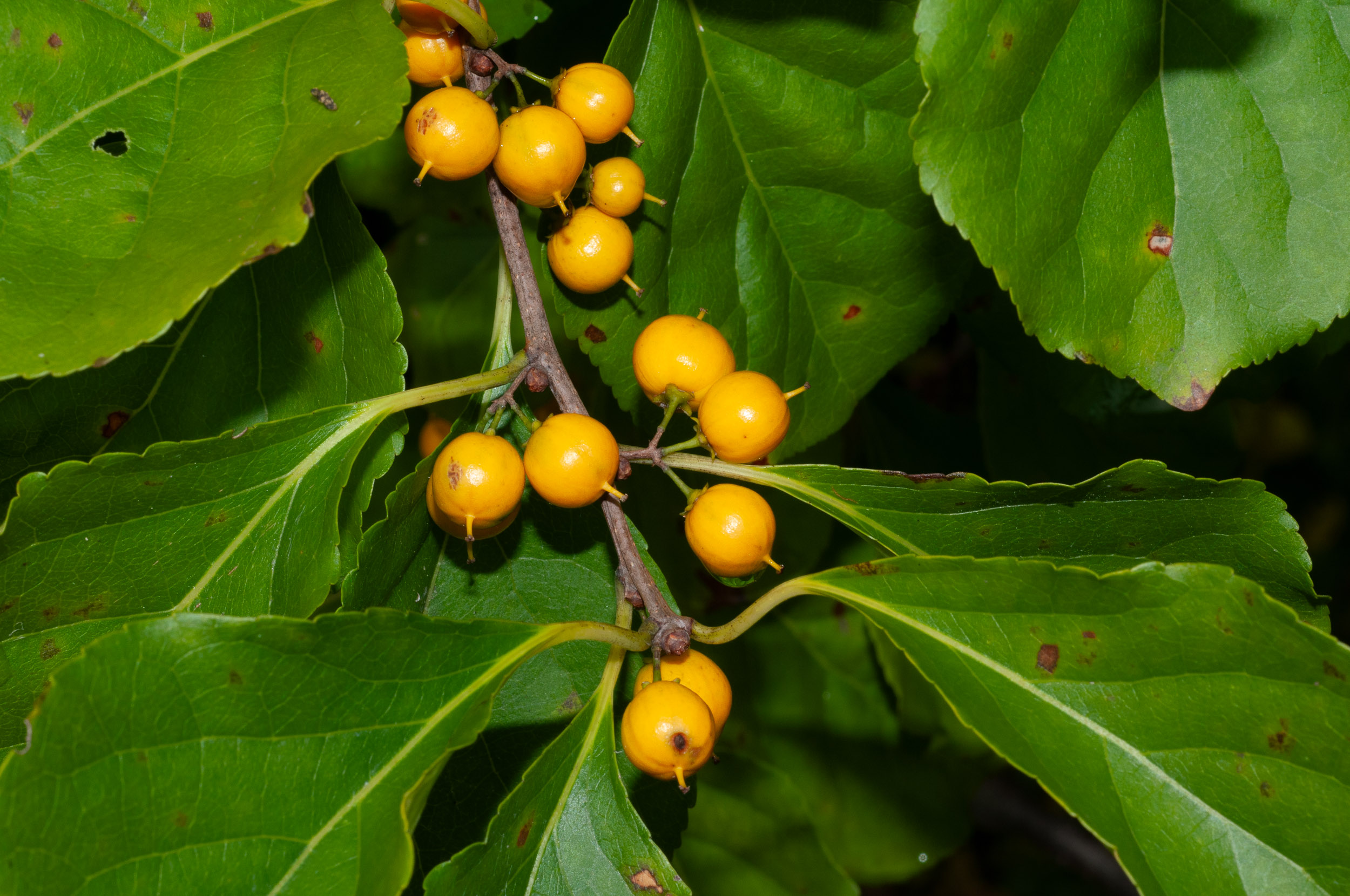
9/24/2011 · Nashua River Rail Trail, Groton Center, Groton, Massachusetts · ≈ 7 × 4½″ (17 × 11 cm) 
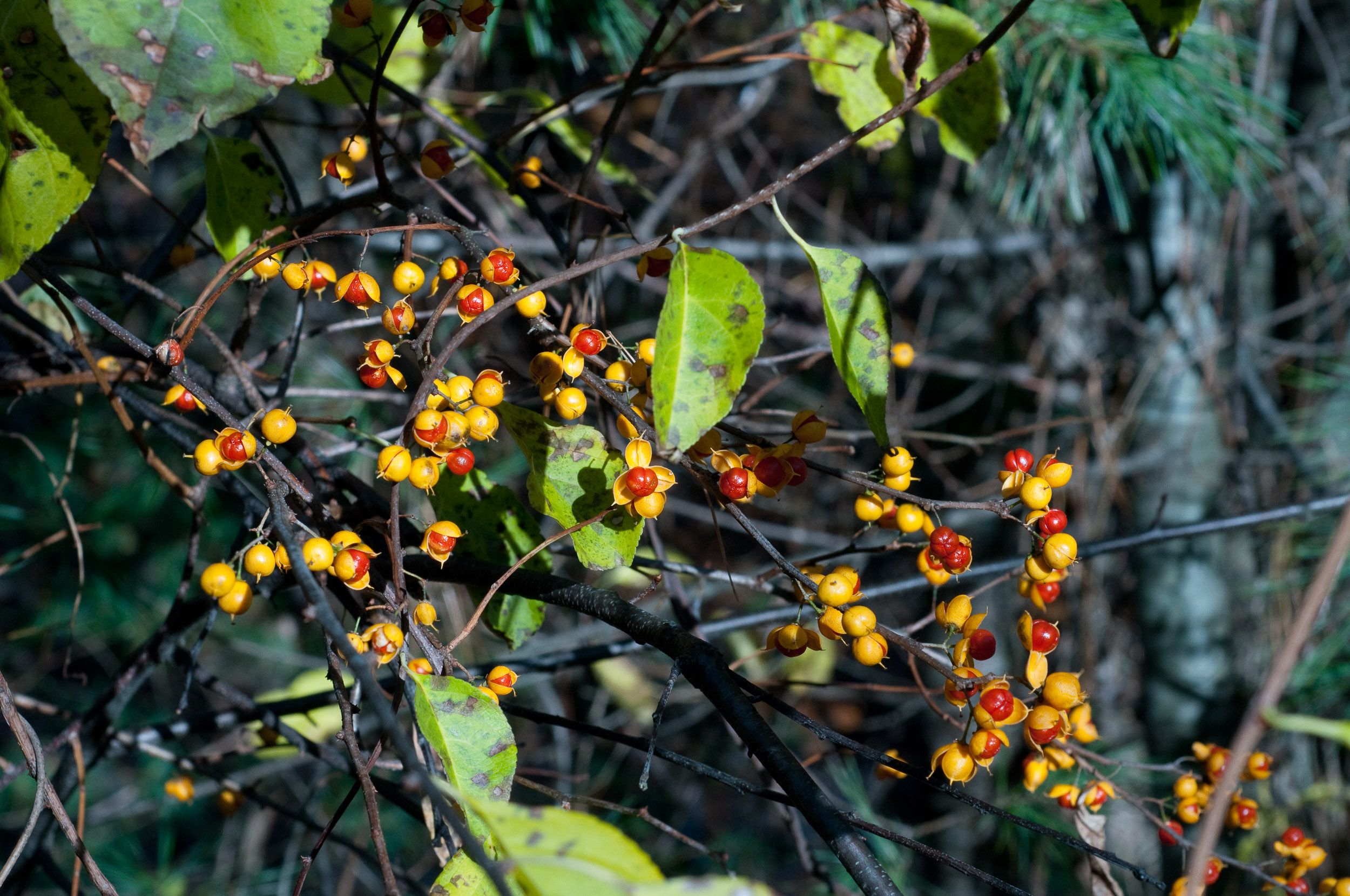
10/25/2009 · Nashua River Rail Trail, Nashua, New Hampshire · ≈ 15 × 10″ (39 × 26 cm) 

11/11/2008 · Acorn Trail, Great Brook State Park, Carlisle, Massachusetts 

9/9/2010 · Pine Meadow Conservation Trust Land, Groton Harvard Road, Ayer, Massachusetts · ≈ 2½ × 3″ (7.1 × 7.7 cm) 

11/11/2008 · Acorn Trail, Great Brook State Park, Carlisle, Massachusetts · ≈ 9 × 6″ (23 × 15 cm) 

11/19/2010 · Nashua River Rail Trail, Groton Center, Groton, Massachusetts · ≈ 8 × 6″ (20 × 14 cm) 

The orange roots are distinctive. · 6/29/2011 · Tom and Susan’s, Pepperell, Massachusetts · ≈ 9 × 6″ (22 × 14 cm) 

6/10/2016 · Monhegan Island, Maine 

10/25/2009 · Nashua River Rail Trail, Nashua, New Hampshire · ≈ 7 × 4½″ (17 × 11 cm) 

5/24/2012 · Nashua River Rail Trail, Groton Center, Groton, Massachusetts · ≈ 4½ × 3″ (11 × 7.9 cm) 

11/17/2009 · Nashua River Rail Trail, Groton Center, Groton, Massachusetts 

2/20/2012 · Bancroft St., Pepperell, Massachusetts 

10/25/2009 · Nashua River Rail Trail, Nashua, New Hampshire · ≈ 17 × 12″ (44 × 29 cm) 
| Kingdom | Plantae | Plants, but not fungi, lichens, or algae (from Stearn's Botanical Latin) |
| Subkingdom | Tracheobionta | Vascular plants—plants with a “circulatory system” for delivering water and nutrients |
| Division | Magnoliophyta | Flowering plants, also known as angiosperms |
| Class | Magnoliopsida | Dicotyledons—plants with two initial seed leaves |
| Subclass | Rosidae | Roses, legumes, proteas, dogwoods, hydrangeas, mistletoes, euphorbias, grapes, many more |
| Order | Celastrales | About 1300 varied mostly tropical and subtropical plants |
| Family | Celastraceae | Staff vine or bittersweet family of vines, shrubs and small trees |
| Genus | Celastrus | From Greek kelastros, for a type of evergreen plant |
| Species | orbiculatus | “Disk-shaped, rounded,” for the leaves |

Celastrus orbiculatus description by Thomas H. Kent, not updated.

© FloraFinder.org. All rights reserved.