Centaurea stoebe L.
Spotted knapweed
[An article has not been written yet.]

8/6/2017 · Andres Art Institute, Big Bear Mountain, Brookline, New Hampshire · ≈ 3½ × 3″ (9 × 8.4 cm) 
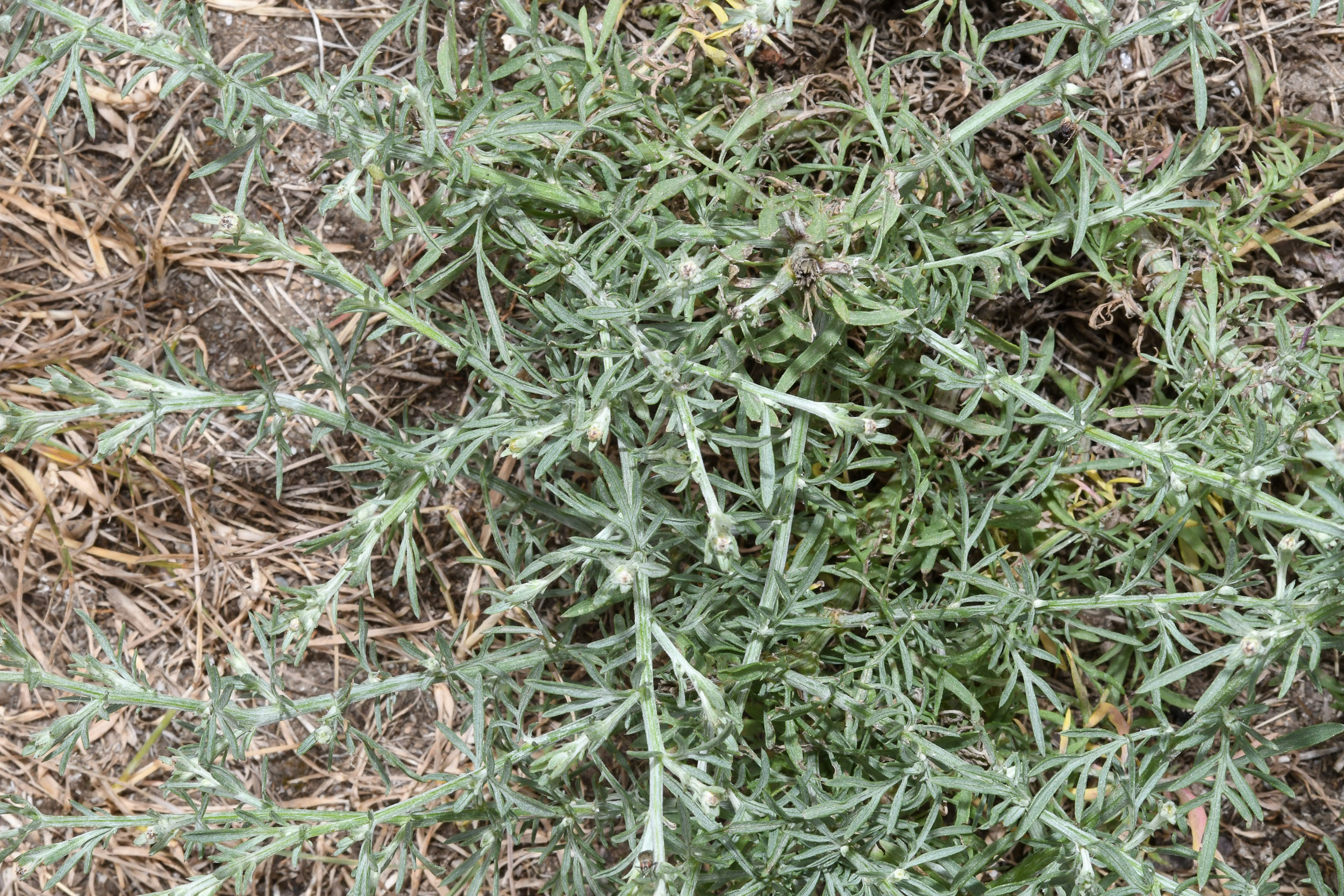
7/8/2016 · Dunstable Rural Land Trust, Dunstable, Massachusetts 

8/6/2017 · Andres Art Institute, Big Bear Mountain, Brookline, New Hampshire · ≈ 3½ × 5″ (9.2 × 13 cm) 

7/31/2016 · Skyline Drive, Shenandoah National Park, Virginia 

8/6/2017 · Andres Art Institute, Big Bear Mountain, Brookline, New Hampshire · ≈ 4½ × 4″ (11 × 10 cm) 

7/31/2016 · Skyline Drive, Shenandoah National Park, Virginia 
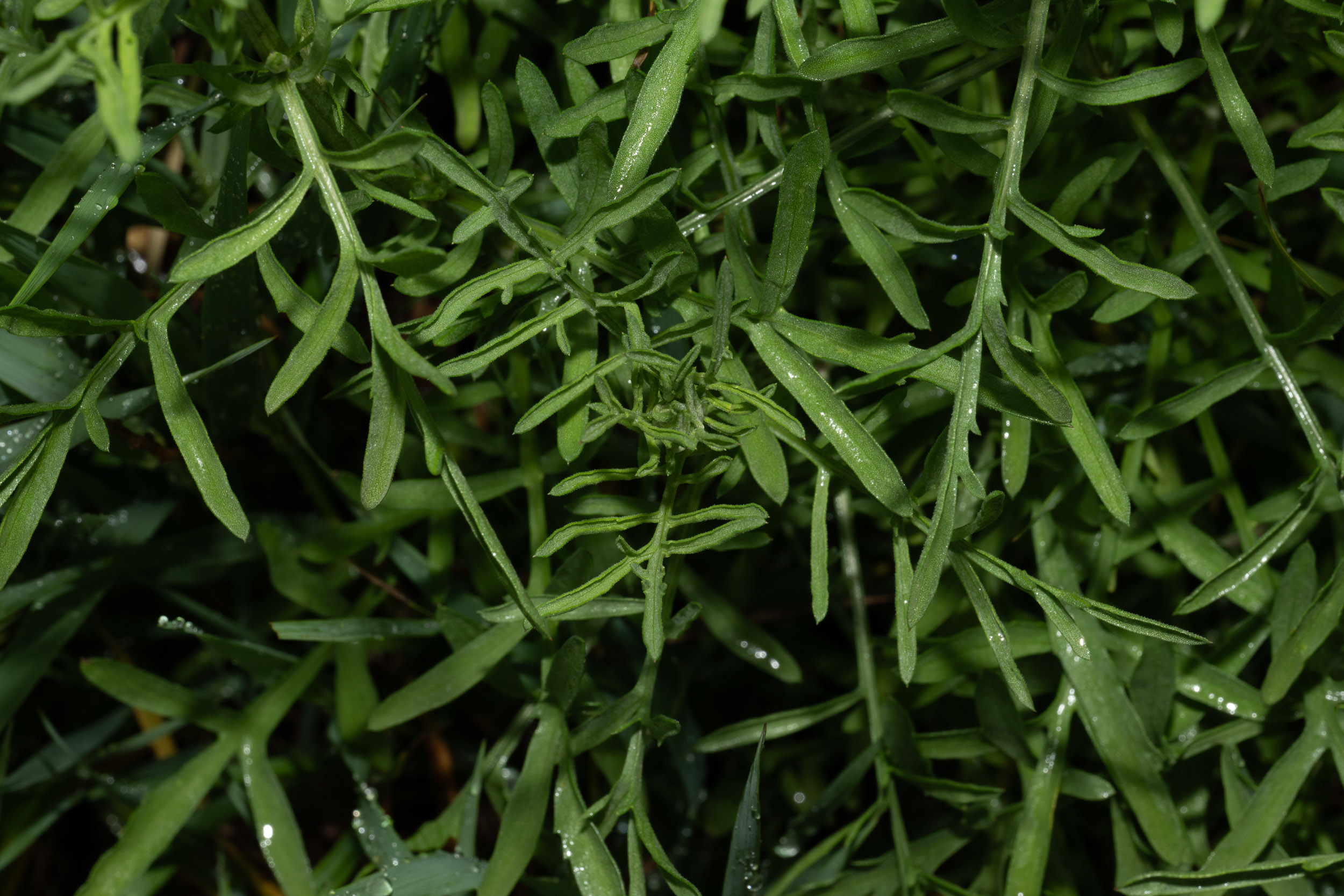
5/22/2026 · Skyline Drive, Shenandoah National Park, Virginia · ≈ 8 × 6″ (21 × 14 cm) 

5/22/2026 · Skyline Drive, Shenandoah National Park, Virginia · ≈ 10 × 6″ (24 × 16 cm) 
| Kingdom | Plantae | Plants, but not fungi, lichens, or algae (from Stearn's Botanical Latin) |
| Subkingdom | Tracheobionta | Vascular plants—plants with a “circulatory system” for delivering water and nutrients |
| Division | Magnoliophyta | Flowering plants, also known as angiosperms |
| Class | Magnoliopsida | Dicotyledons—plants with two initial seed leaves |
| Subclass | Asteridae | A large class that encompasses asters |
| Order | Asterales | Flowering plants with a central disk flower and surrounding petals, like daisies |
| Family | Asteraceae | The aster family, which also includes daisies and sunflowers; from the Greek ἀστήρ, “star,” for the star-shaped flowers |
| Genus | Centaurea | From the Latin and a reference to the Centaur Chiron who was supposed to have discovered the medicinal uses of a plant in Greece that came to be called Centaury |
| Species | stoebe | The PlantzAfrica website says that the name of the genus Stoebe is from the Greek stoibe, “stuffing, padding or heap.” It was apparently used for packing wine jars and making brooms and bedding. Umberto Quattrocchi gives the following, also for the genus Stoebe: “Greek steibein, stibo ‘to tread firmly,’ stoibe ‘thorny burnet, a species of Poterium,’ Latin stoebe, es for a plant, called also pheos (Plinius).” From David Hollombe: “stoibe, name used by Dioscorides for Poterium spinosum, also meaning a cushion or pad” |

Centaurea stoebe description by Thomas H. Kent, not updated.

© FloraFinder.org. All rights reserved.