Gaylussacia resinosa (Aiton) Torr. & A. Gray
Gaylussacia baccata (Wangenh.) K. Koch
Black huckleberry, common huckleberry
Black huckleberry is a North American native.
Plants: Shrubs are 1–3′ (30–91 cm) in height, with stiff branches that are light brown or greenish when young, changing to gray or black with age. Shrubs are found in colonies.
Leaves: Leaves are oval, becoming orange/red in the fall. Leaves are coated with gold-colored resin glands. The resin can be seen by rubbing the leaves between your fingers, or on a piece of paper.
Flowers: Flowers are pink, about ⅜″ (9.5 mm) in size, and urn-shaped, in racemes. They bloom from May to July.
Fruits: Berries contain 10 seeds, fewer than blueberries. They are red while immature, turning shiny black.
Habitats: Open woods and thickets; in rocky, sandy soil.
This Gaylussacia and Vaccinium comparison chart compares these closely related genera, both of which contain plants called huckleberries.
Edibility: Delicious raw or cooked, though seedy; spicy and sweet.
Online References:
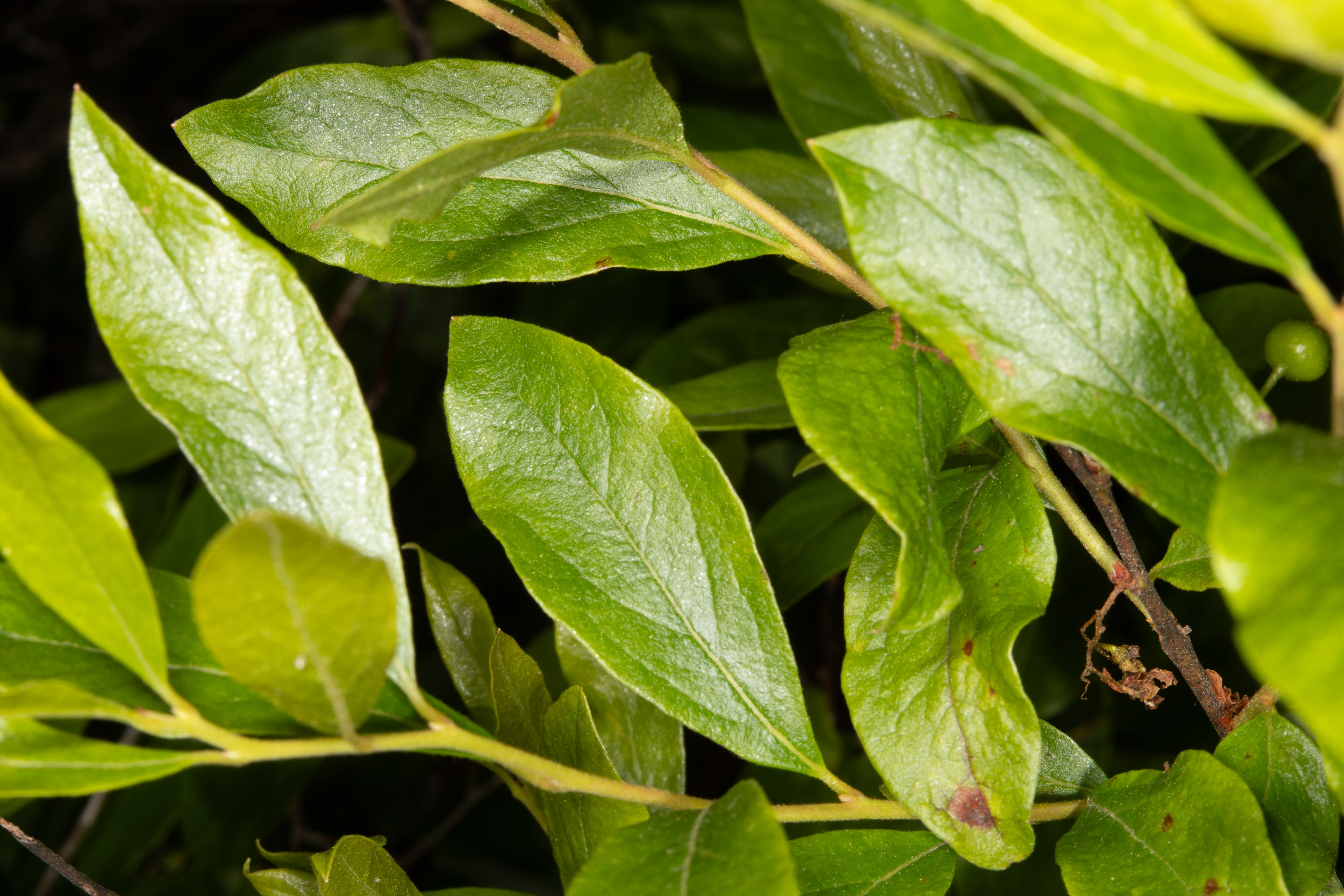
6/26/2024 · Morse Mountain, Phippsburg, Maine · ≈ 6 × 4″ (15 × 10 cm) 

9/18/2016 · Barred Island Preserve, Deer Isle, Maine  ID is uncertain

9/8/2020 · Brunswick Town Commons, Brunswick, Maine · ≈ 7 × 4½″ (18 × 12 cm) 

9/8/2020 · Brunswick Town Commons, Brunswick, Maine · ≈ 6 × 4″ (14 × 11 cm) 

6/22/2017 · Garden in the Woods, Framingham, Massachusetts · ≈ 6 × 4½″ (15 × 12 cm) 

9/18/2016 · Barred Island Preserve, Deer Isle, Maine ID is uncertain 

5/18/2013 · Oak Hill, Littleton Conservation Land, Littleton, Massachusetts · ≈ 8 × 5″ (19 × 12 cm) 

6/15/2025 · Morse Mountain Preserve, Phippsburg, Maine · ≈ 9 × 6″ (21 × 14 cm) 
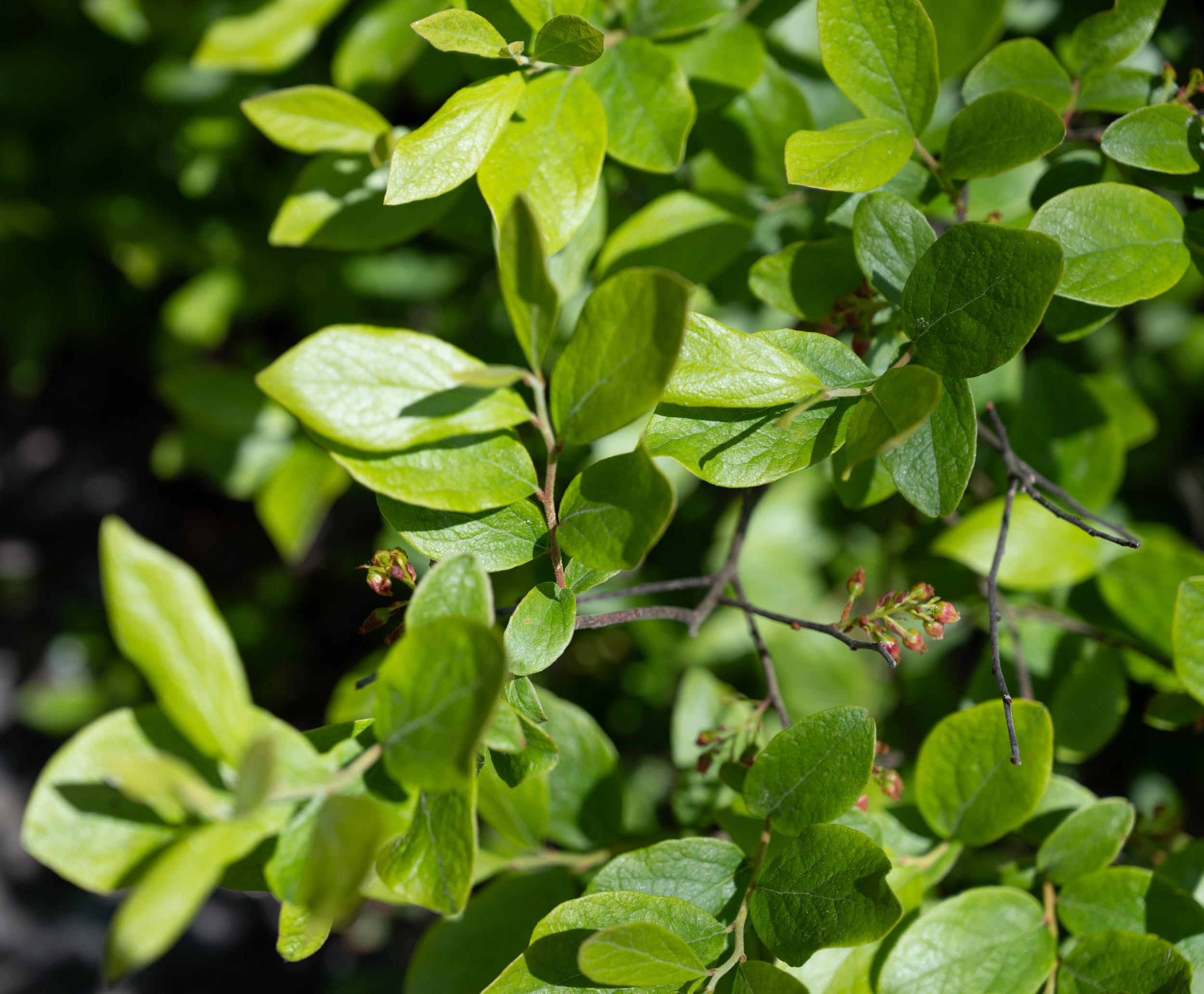
6/15/2025 · Morse Mountain Preserve, Phippsburg, Maine · ≈ 9 × 8″ (23 × 19 cm) 

6/16/2013 · Sonny and Donna’s, Tenant’s Harbor, Maine · ≈ 4½ × 4½″ (11 × 11 cm) 

9/29/2013 · North Bubble Hike, Acadia National Park, Bar Harbor, Maine · ≈ 6 × 4½″ (15 × 12 cm) 
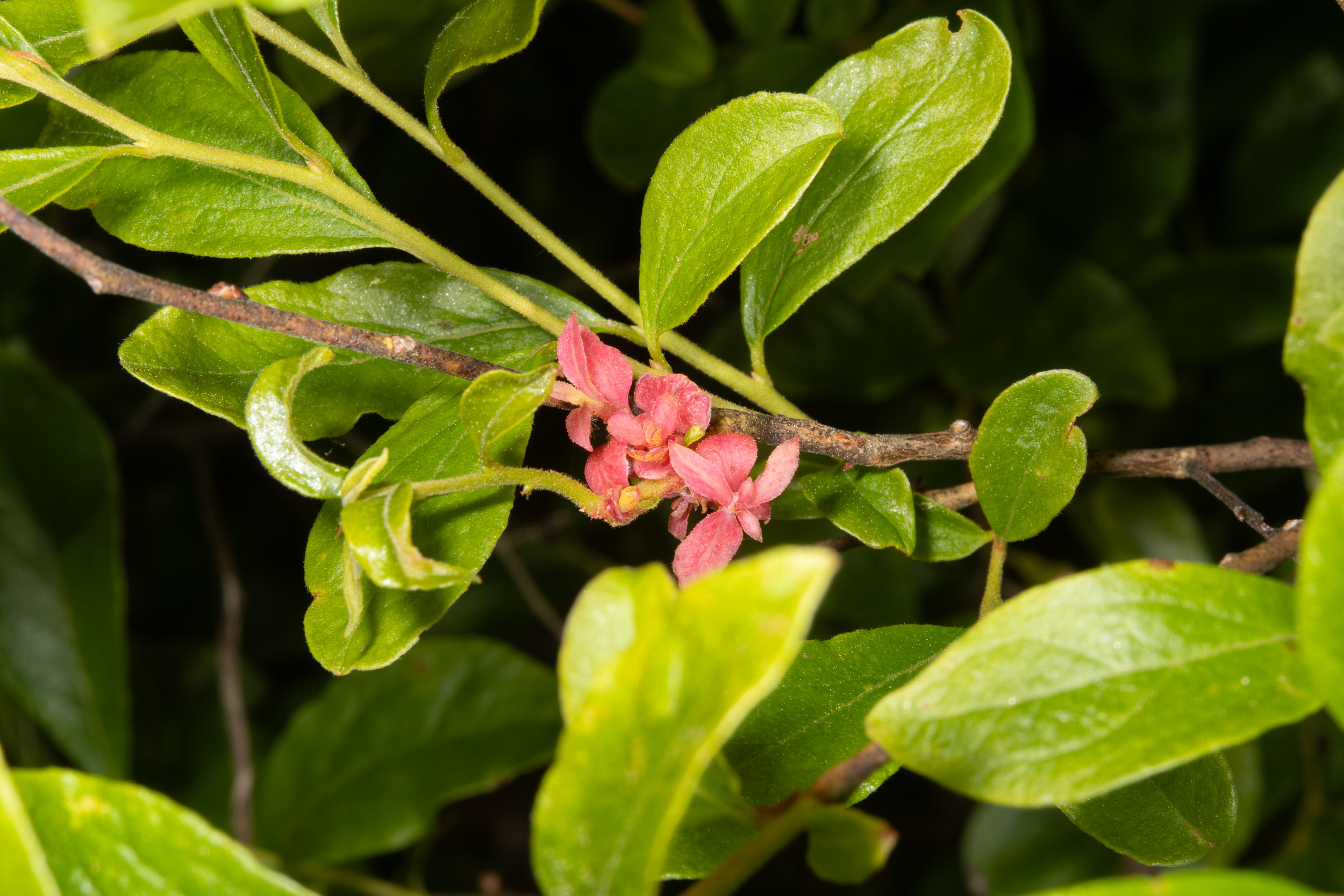
6/26/2024 · Morse Mountain, Phippsburg, Maine · ≈ 5 × 3½″ (13 × 8.7 cm) 

7/25/2013 · Beaver Brook Conservation Area, Hollis, New Hampshire · ≈ 8 × 5″ (19 × 13 cm) 

9/19/2009 · Acadia National Park, Bar Harbor, Maine · ≈ 14 × 9″ (35 × 23 cm) ID is uncertain 

6/16/2013 · Sonny and Donna’s, Tenant’s Harbor, Maine · ≈ 5 × 8″ (12 × 19 cm) 

6/2/2010 · J. Harry Rich State Forest, Groton, Massachusetts · ≈ 15 × 10″ (39 × 26 cm) 
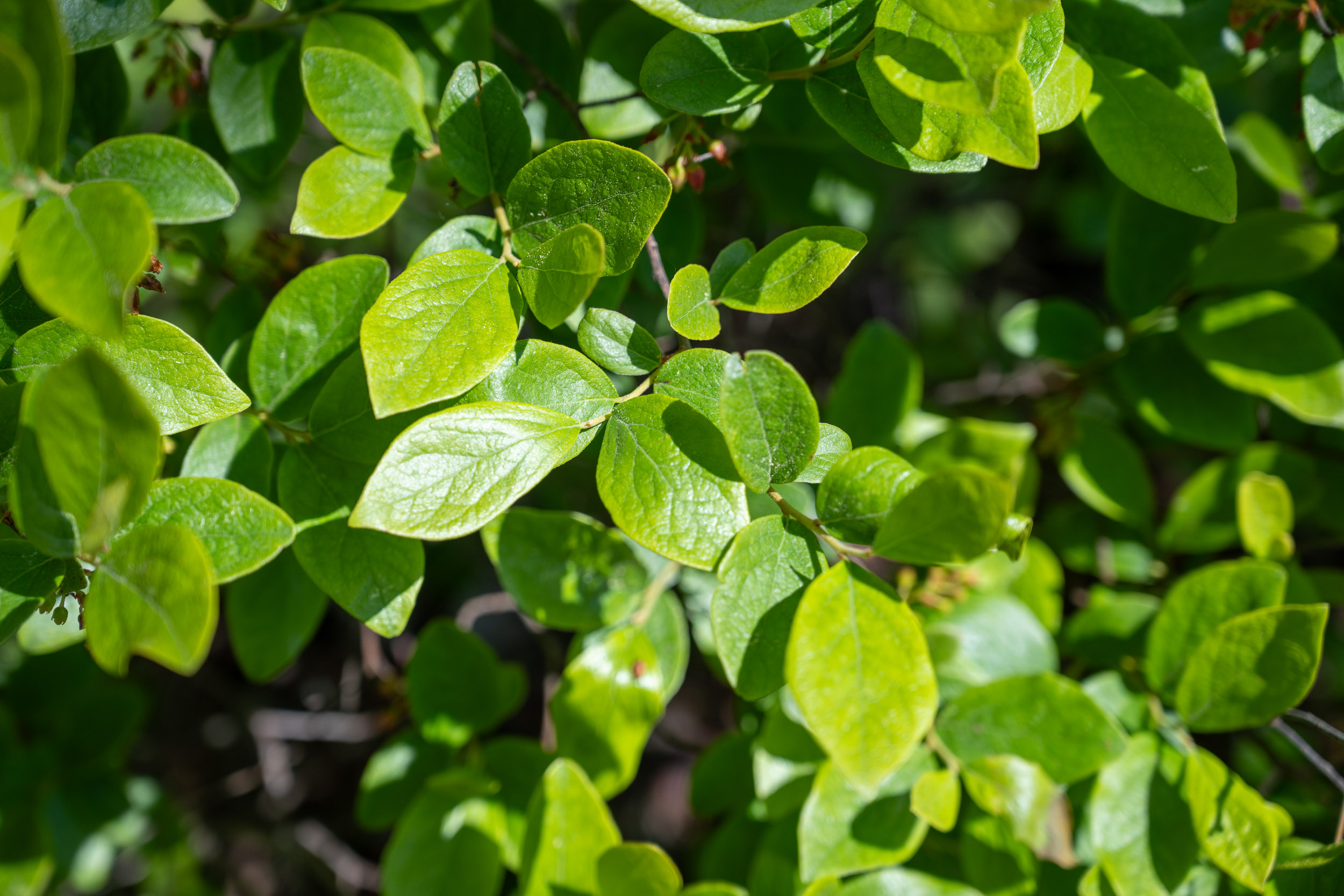
6/15/2025 · Morse Mountain Preserve, Phippsburg, Maine · ≈ 11 × 7″ (27 × 18 cm) 
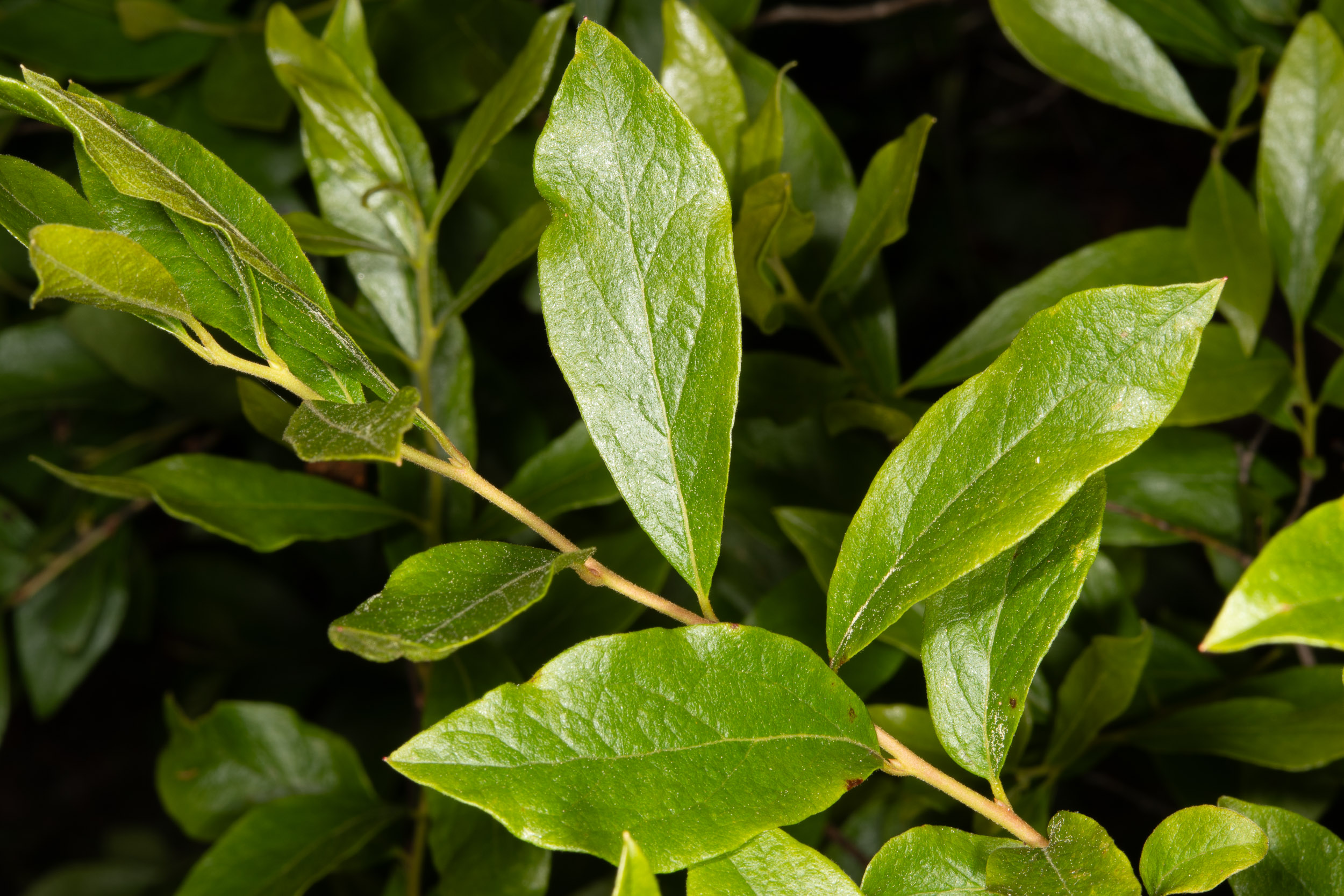
6/26/2024 · Morse Mountain, Phippsburg, Maine · ≈ 6 × 4″ (16 × 11 cm) 

8/13/2017 · Burges Pond, Westford, Massachusetts · ≈ 6 × 4″ (16 × 11 cm) 

9/29/2013 · North Bubble Hike, Acadia National Park, Bar Harbor, Maine · ≈ 9 × 6″ (22 × 15 cm) 

6/26/2024 · Morse Mountain, Phippsburg, Maine · ≈ 3 × 5″ (8.4 × 12 cm) 

6/22/2017 · Garden in the Woods, Framingham, Massachusetts · ≈ 10 × 6″ (24 × 16 cm) 
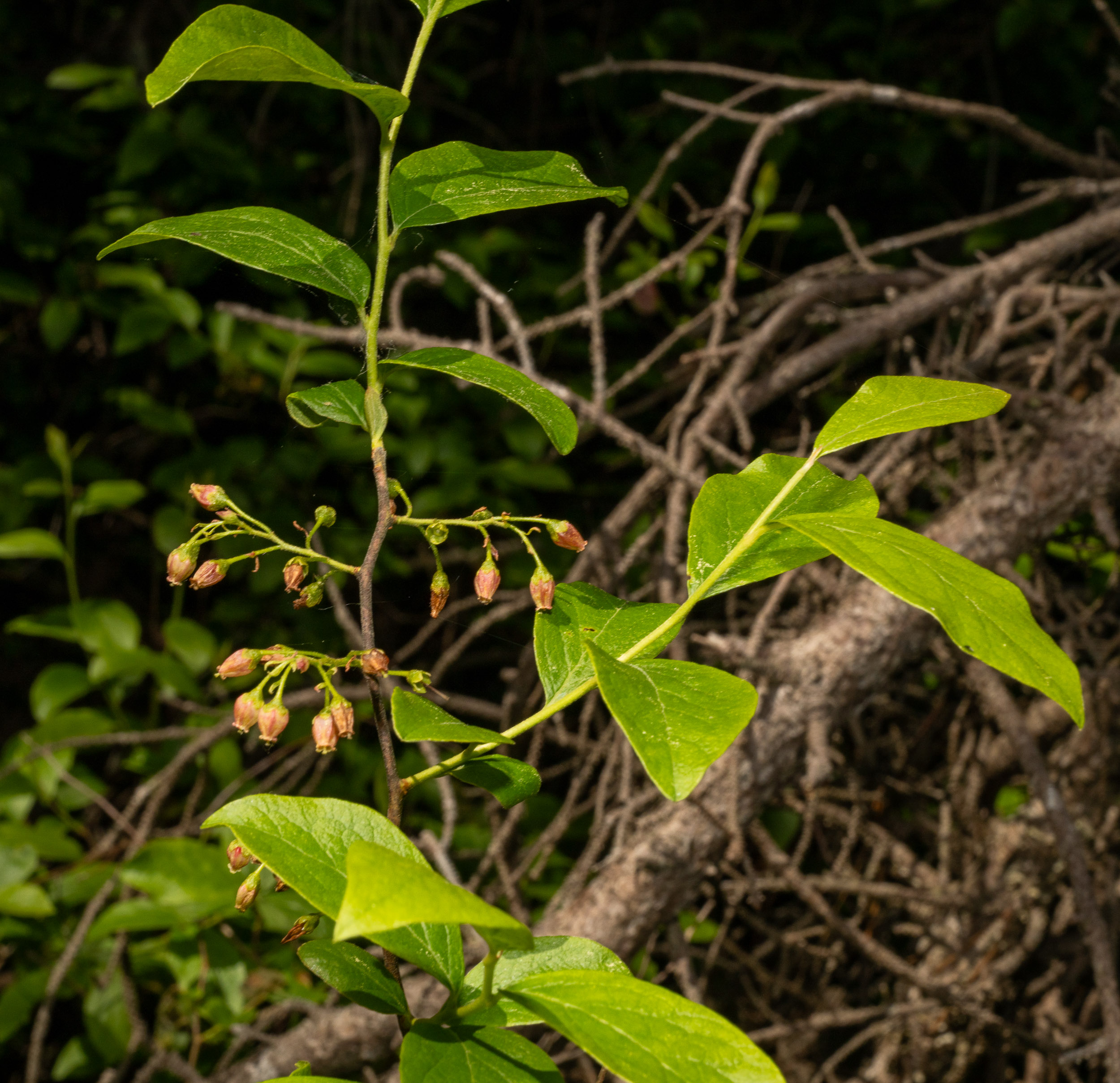
6/15/2025 · Morse Mountain Preserve, Phippsburg, Maine · ≈ 8 × 8″ (19 × 19 cm) 

7/25/2013 · Beaver Brook Conservation Area, Hollis, New Hampshire · ≈ 9 × 6″ (23 × 16 cm) 

7/25/2013 · Beaver Brook Conservation Area, Hollis, New Hampshire · ≈ 9 × 6″ (23 × 16 cm) 

9/29/2013 · North Bubble Hike, Acadia National Park, Bar Harbor, Maine · ≈ 8 × 6″ (20 × 14 cm) 

8/22/2020 · Kettle Hole Bog, Hidden Valley Nature Center, Jefferson, Maine · ≈ 8 × 5″ (20 × 13 cm) 

7/27/2013 · Oak Hill, Littleton Conservation Land, Littleton, Massachusetts · ≈ 6 × 4½″ (14 × 12 cm) 

6/15/2025 · Morse Mountain Preserve, Phippsburg, Maine · ≈ 7 × 10″ (18 × 24 cm) 

6/26/2024 · Morse Mountain, Phippsburg, Maine 

7/25/2013 · Beaver Brook Conservation Area, Hollis, New Hampshire · ≈ 5 × 6″ (13 × 14 cm) 

9/28/2013 · Wild Gardens of Acadia, Acadia National Park, Bar Harbor, Maine · ≈ 7 × 5″ (18 × 13 cm) 
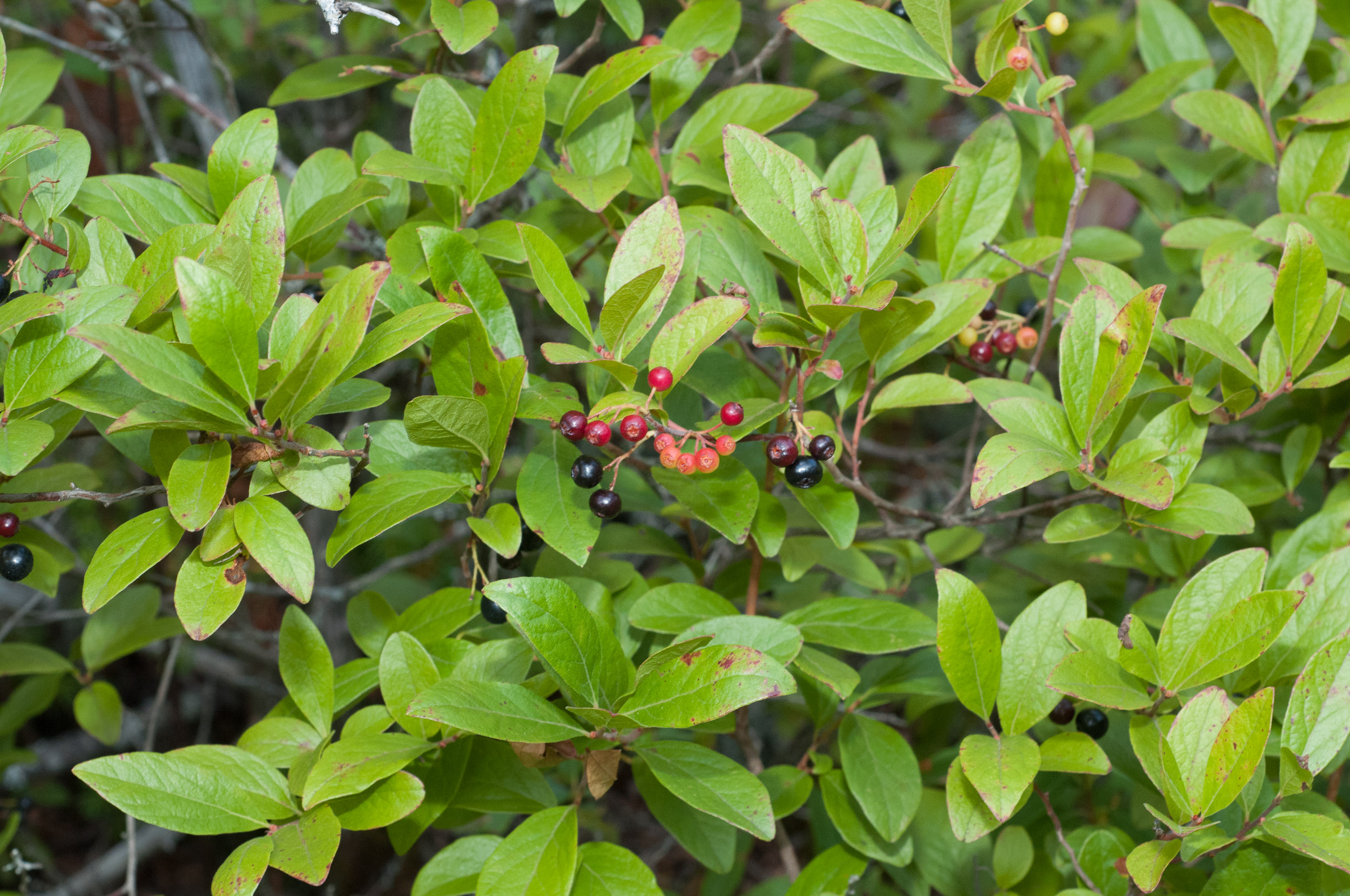
9/19/2009 · Acadia National Park, Bar Harbor, Maine · ≈ 14 × 9″ (35 × 23 cm) ID is uncertain 
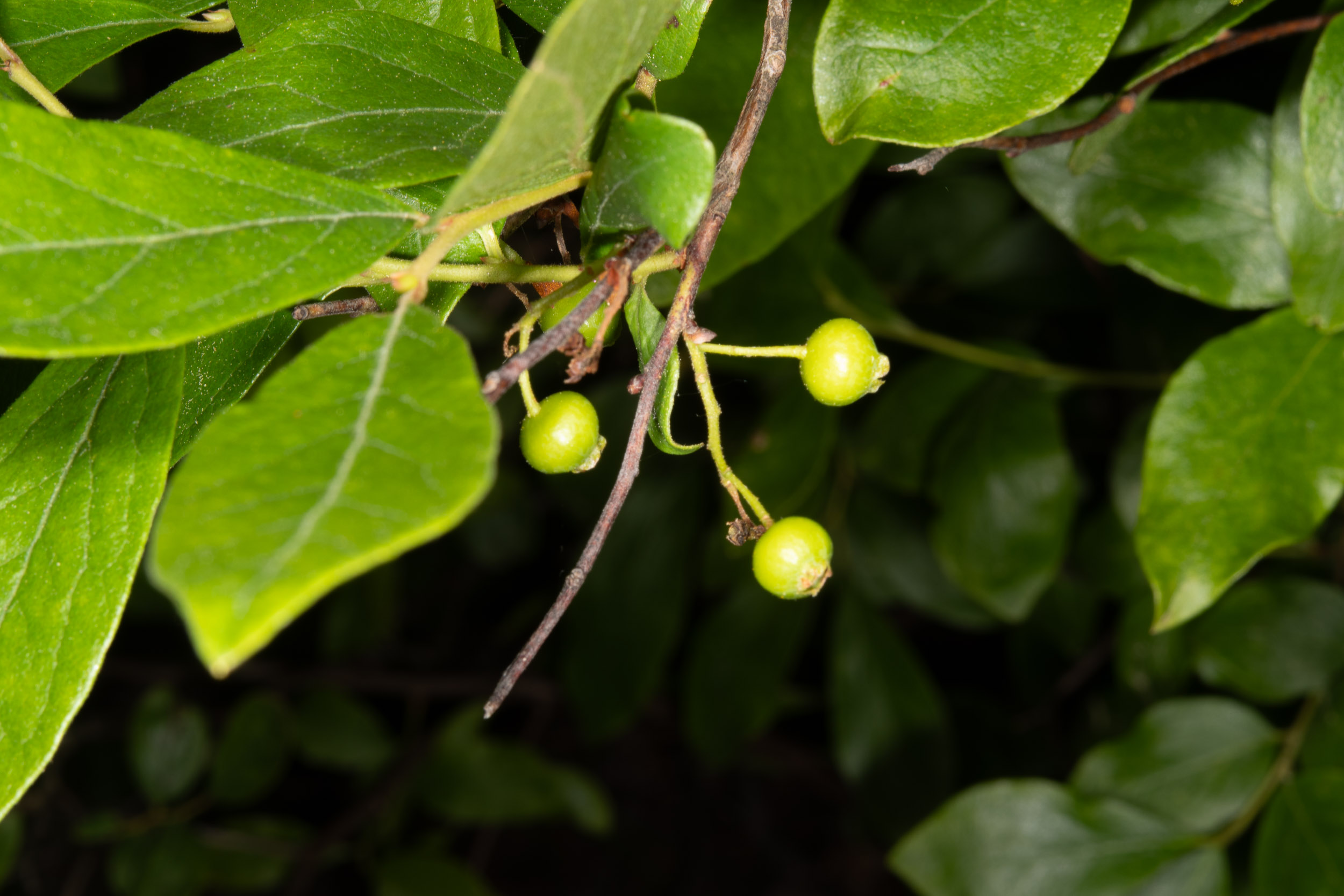
6/26/2024 · Morse Mountain, Phippsburg, Maine · ≈ 6 × 4″ (14 × 10 cm) 

9/18/2016 · Barred Island Preserve, Deer Isle, Maine ID is uncertain 

6/22/2017 · Garden in the Woods, Framingham, Massachusetts · ≈ 8 × 5″ (20 × 13 cm) 

9/28/2013 · Wild Gardens of Acadia, Acadia National Park, Bar Harbor, Maine · ≈ 9 × 6″ (23 × 16 cm) 

8/13/2017 · Burges Pond, Westford, Massachusetts · ≈ 3 × 3″ (8.5 × 7.9 cm) 

7/25/2013 · Beaver Brook Conservation Area, Hollis, New Hampshire · ≈ 9 × 6″ (23 × 16 cm) 

5/18/2013 · Oak Hill, Littleton Conservation Land, Littleton, Massachusetts · ≈ 8 × 5″ (19 × 12 cm) 

6/2/2010 · J. Harry Rich State Forest, Groton, Massachusetts · ≈ 6 × 5″ (15 × 13 cm) 

8/22/2020 · Crossbill Trail, Hidden Valley Nature Center, Jefferson, Maine · ≈ 10 × 6″ (24 × 16 cm) 
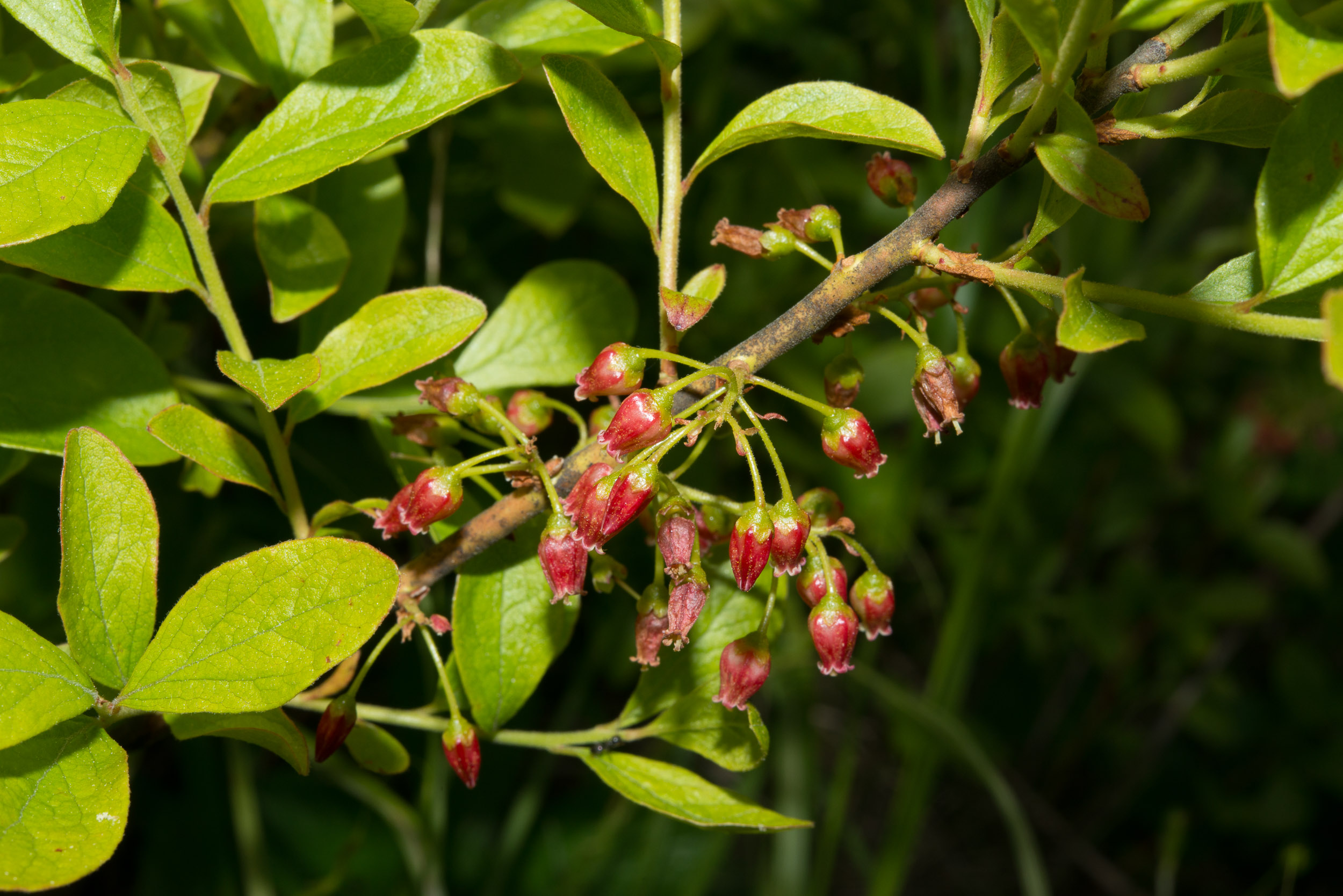
6/16/2013 · Sonny and Donna’s, Tenant’s Harbor, Maine · ≈ 6 × 4″ (16 × 10 cm) 

8/13/2017 · Burges Pond, Westford, Massachusetts · ≈ 6 × 5″ (15 × 13 cm) 
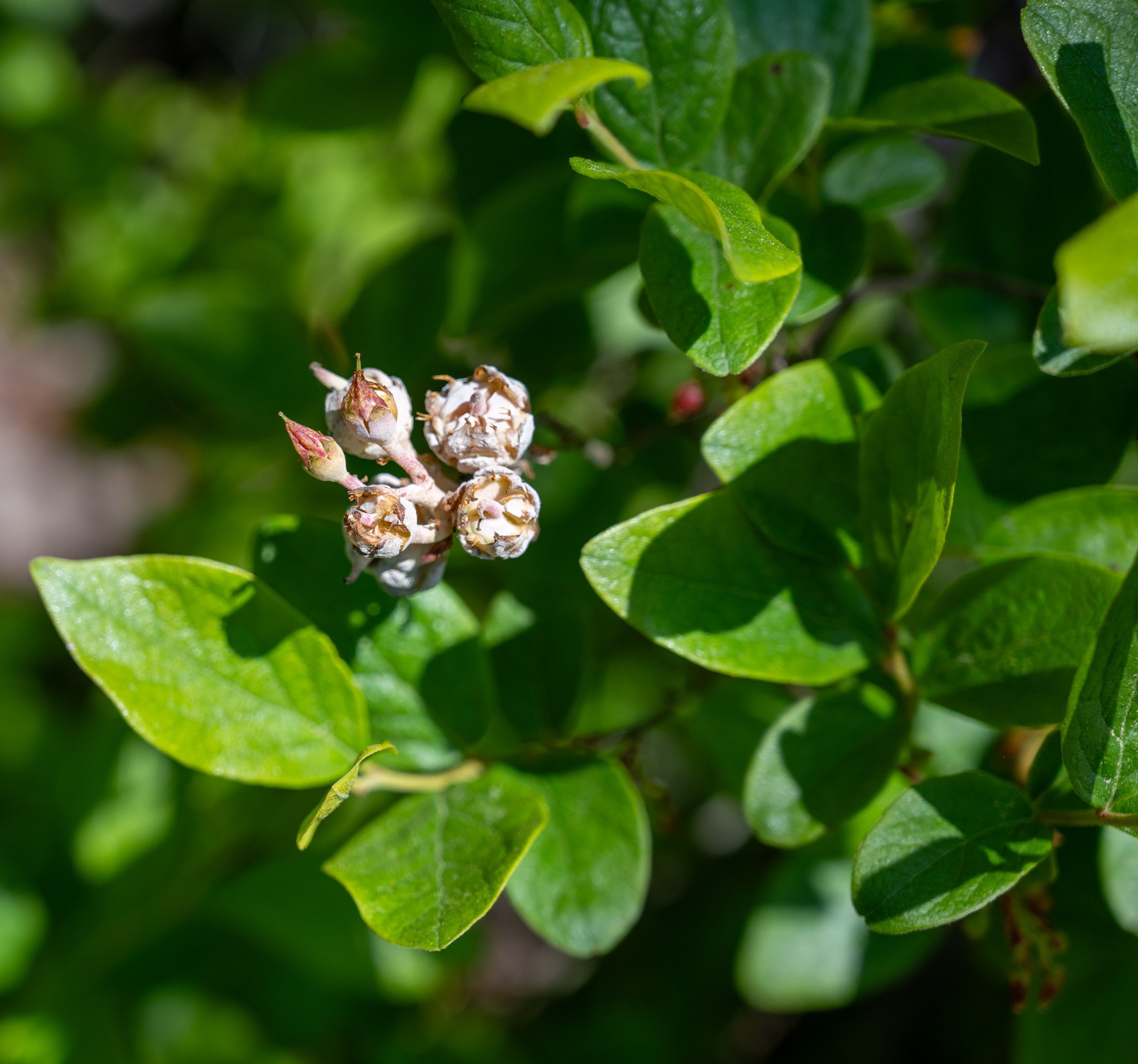
6/15/2025 · Morse Mountain Preserve, Phippsburg, Maine · ≈ 6 × 5″ (14 × 13 cm) 
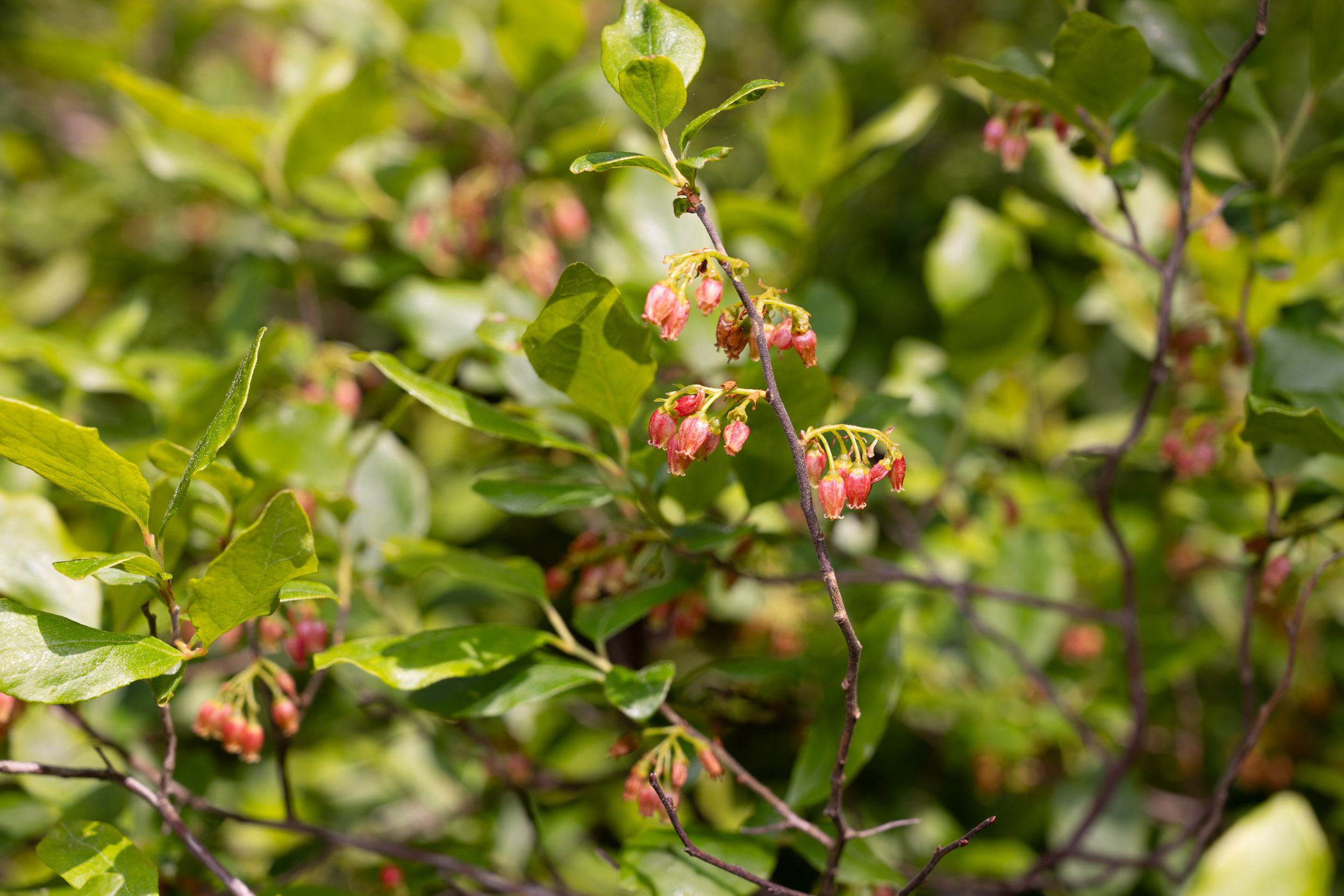
6/15/2025 · Morse Mountain Preserve, Phippsburg, Maine · ≈ 9 × 6″ (22 × 15 cm) 

5/28/2021 · Brunswick Commons, Brunswick, Maine · ≈ 4½ × 3″ (11 × 7.9 cm) 
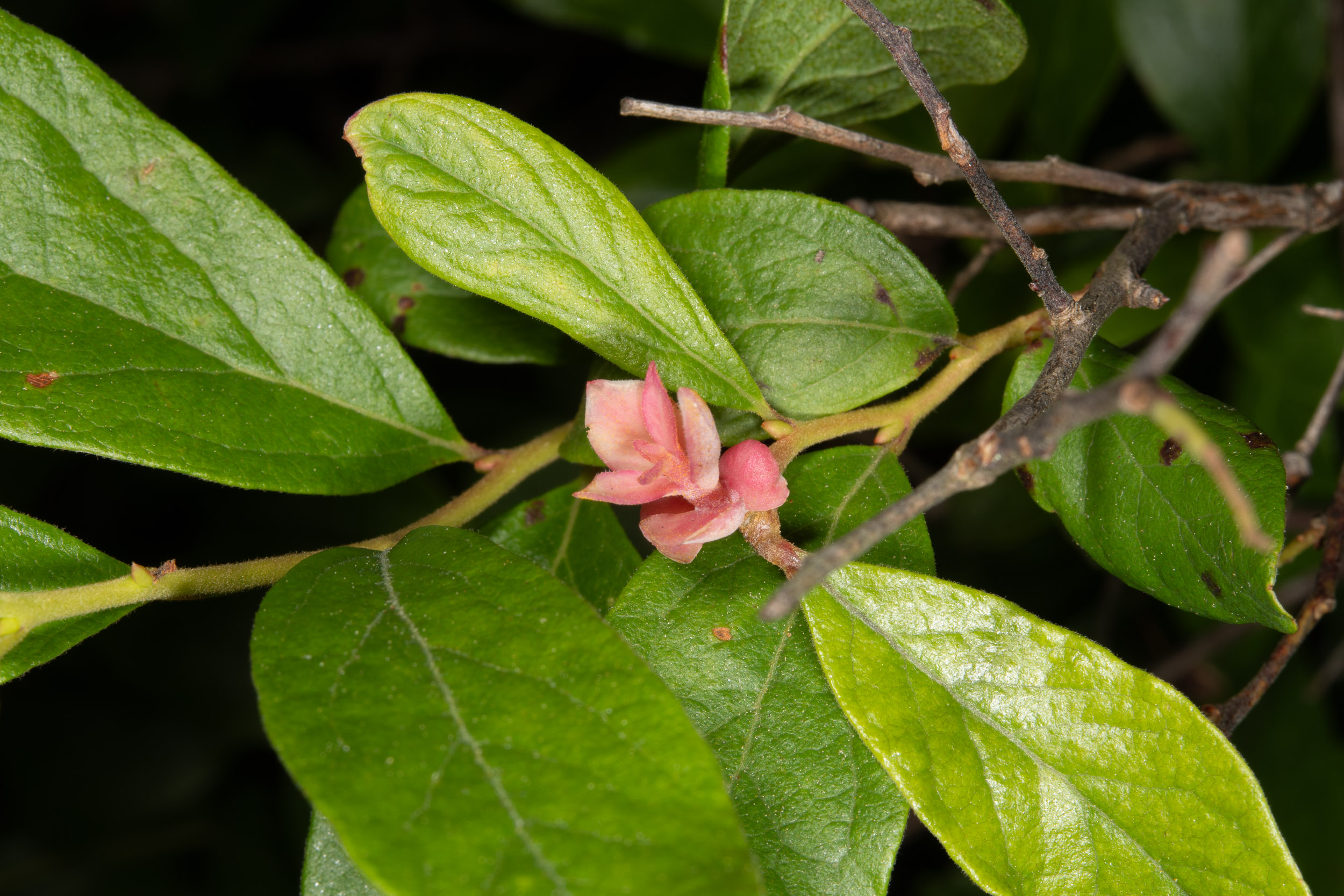
6/26/2024 · Morse Mountain, Phippsburg, Maine · ≈ 4 × 2½″ (11 × 7.3 cm) 
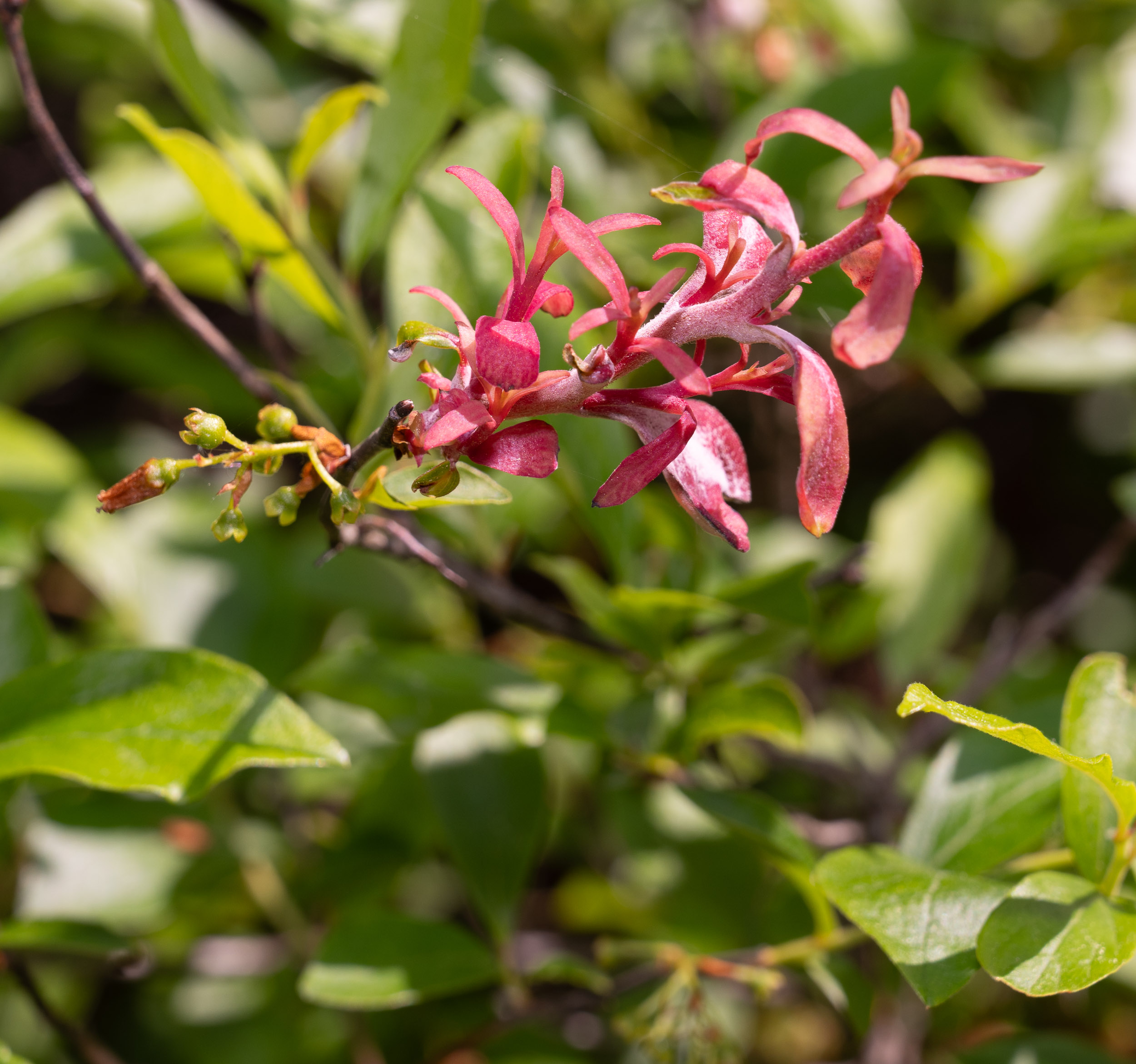
6/15/2025 · Morse Mountain Preserve, Phippsburg, Maine · ≈ 4 × 4″ (10 × 9.9 cm) 

8/13/2017 · Burges Pond, Westford, Massachusetts · ≈ 8 × 5″ (19 × 12 cm) 
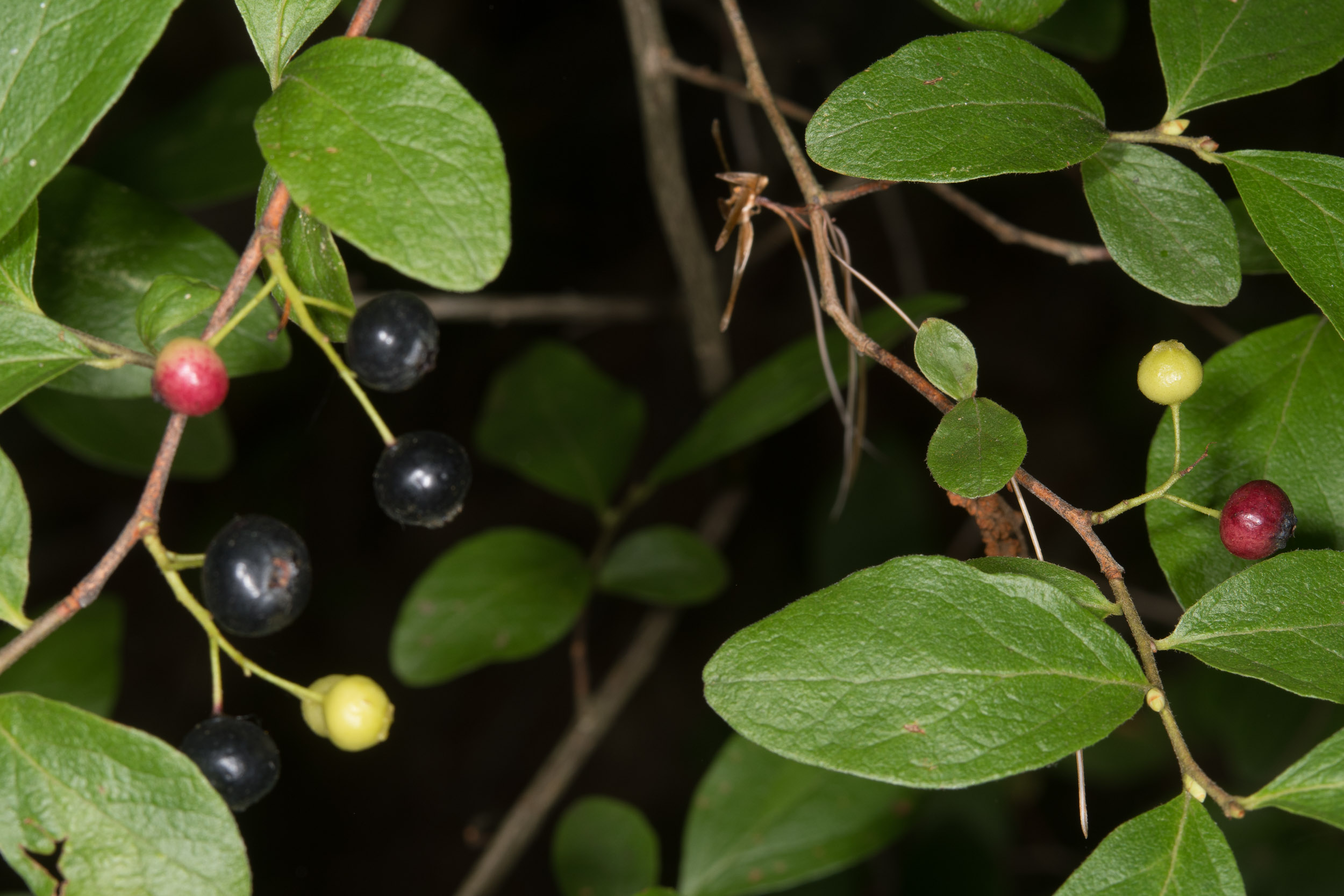
8/13/2017 · Burges Pond, Westford, Massachusetts · ≈ 6 × 4″ (14 × 10 cm) 

8/22/2020 · Crossbill Trail, Hidden Valley Nature Center, Jefferson, Maine · ≈ 7 × 4½″ (18 × 12 cm) 
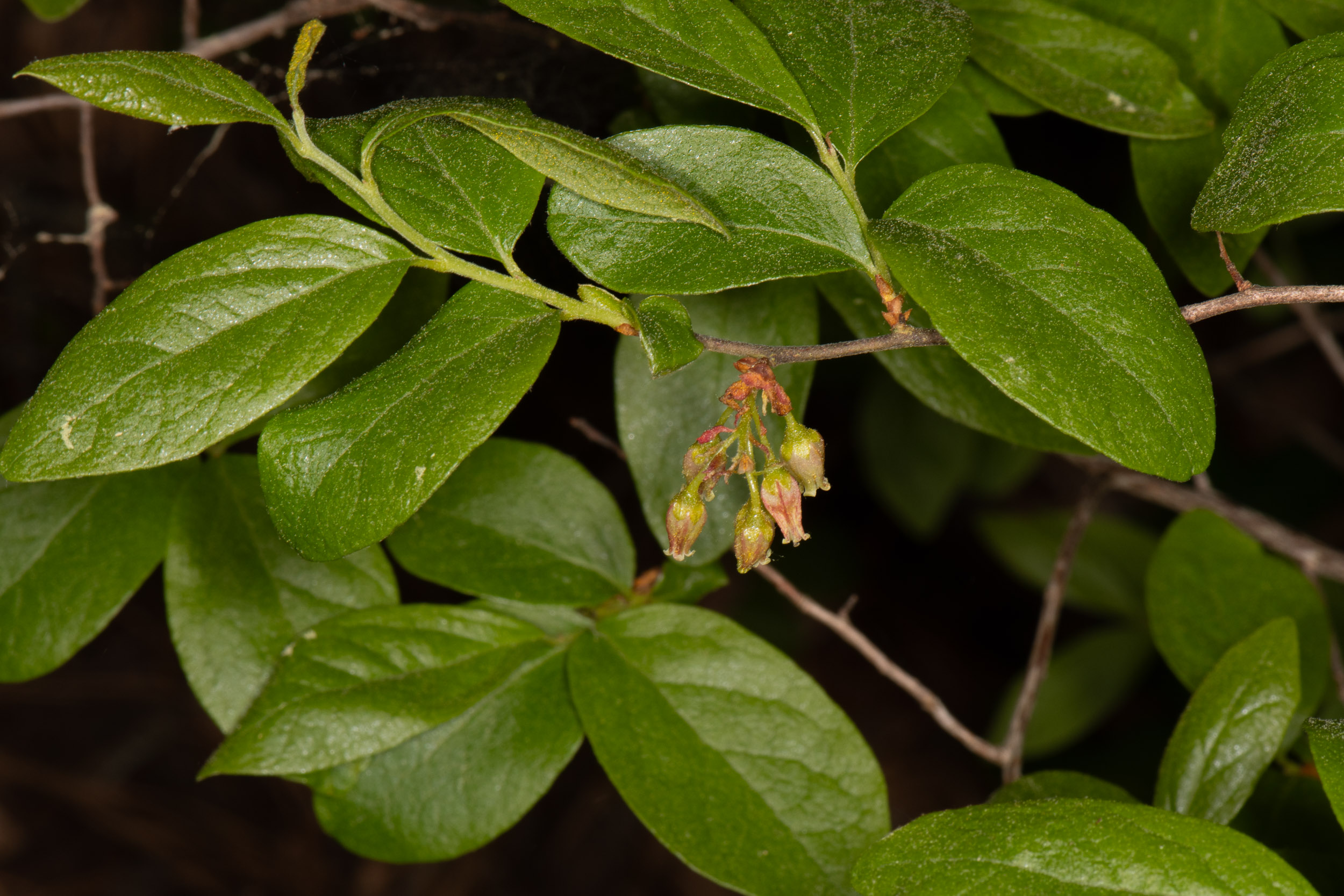
5/28/2021 · Brunswick Commons, Brunswick, Maine · ≈ 7 × 4½″ (17 × 11 cm) 
| Kingdom | Plantae | Plants, but not fungi, lichens, or algae (from Stearn's Botanical Latin) |
| Subkingdom | Tracheobionta | Vascular plants—plants with a “circulatory system” for delivering water and nutrients |
| Division | Magnoliophyta | Flowering plants, also known as angiosperms |
| Class | Magnoliopsida | Dicotyledons—plants with two initial seed leaves |
| Subclass | Asteridae | A large class that encompasses asters |
| Order | Ericales | Tea, persimmon, blueberry, Brazil nut, azalea, many others |
| Family | Ericaceae | Heath or heather family |
| Genus | Gaylussacia | For chemist and physicist Joseph Louis Gay-Lussac |
| Species | baccata | Having pulpy, berry-like fruits, from Latin bacca for a small, round fruit |
Gaylussacia baccata description by Thomas H. Kent, not updated.

© FloraFinder.org. All rights reserved.
