Impatiens fulva Nutt.
Impatiens nortonii Rydb.
Impatiens noli-tangere L. ssp. biflora (Walter) Hultén
Impatiens capensis Meerb.
Spotted jewelweed, jewelweed
Spotted jewelweed is a North American native plant. Impatiens means “impatient,” a reference to the fact that dried seed capsules burst open when touched. Capensis means “of the cape,” because the botanist who named it, Nicolaas Meerburgh, believed incorrectly that the species was native to the Cape of Good Hope in Africa. The plants are common and, in some areas, invasives.
Plants: 3–5′ (1–1.5 m) high, with translucent and rather fragile stems.
Leaves: Bluish-green, oval-shaped, with shallow teeth, about 4 ⨉ 1¾″ (10 ⨉ 5 cm).
Flowers: Flowers occur in clusters of one to three. Viewed from the side, flowers are shaped a bit like a horn of plenty, yellow, with two large lower petals and one upper petal, with spots or patches of red-orange. Each flower is about ¾″ (1.9 cm) in size. They may appear orange rather than yellow from the front.
Fruits: The seed pods, about ¾–1¼″ (1.9–3.2 cm) long, spread their seeds by drying into a spring-loaded form that pops upon contact, delighting children.
Habitats: Regions that are at least seasonally wet and partially shaded, such as creek beds or damp soils. Spotted and yellow jewelweed prefer similar habitats and are often found close to each other.
Medical: Spotted jewelweed has long been used as a preventative for poison ivy rash. Juice from the crushed plant is applied to the site that has been exposed. We examined many articles to learn a bit more about its efficacy:
What do we believe? It certainly won’t do any harm: there aren’t any reports of allergic reactions to jewelweed. So, given that spotted jewelweed is fairly often found near poison ivy, and that it is easy to prepare by rubbing between the hands, it is worth a try.
 |
Similar species. |
Online References:
References:

9/11/2021 · Otter Brrok Preserve, Harpswell Heritage Land Trust, Harpswell, Maine · ≈ 3 × 2½″ (8.1 × 6.3 cm) 

Immature seed pods · 9/13/2009 · Tom and Susan’s, Pepperell, Massachusetts · ≈ 5 × 3½″ (13 × 9.2 cm) 

8/7/2017 · Groton Rail Trail, Groton Center, Groton, Massachusetts · ≈ 5 × 3″ (12 × 8.4 cm) 
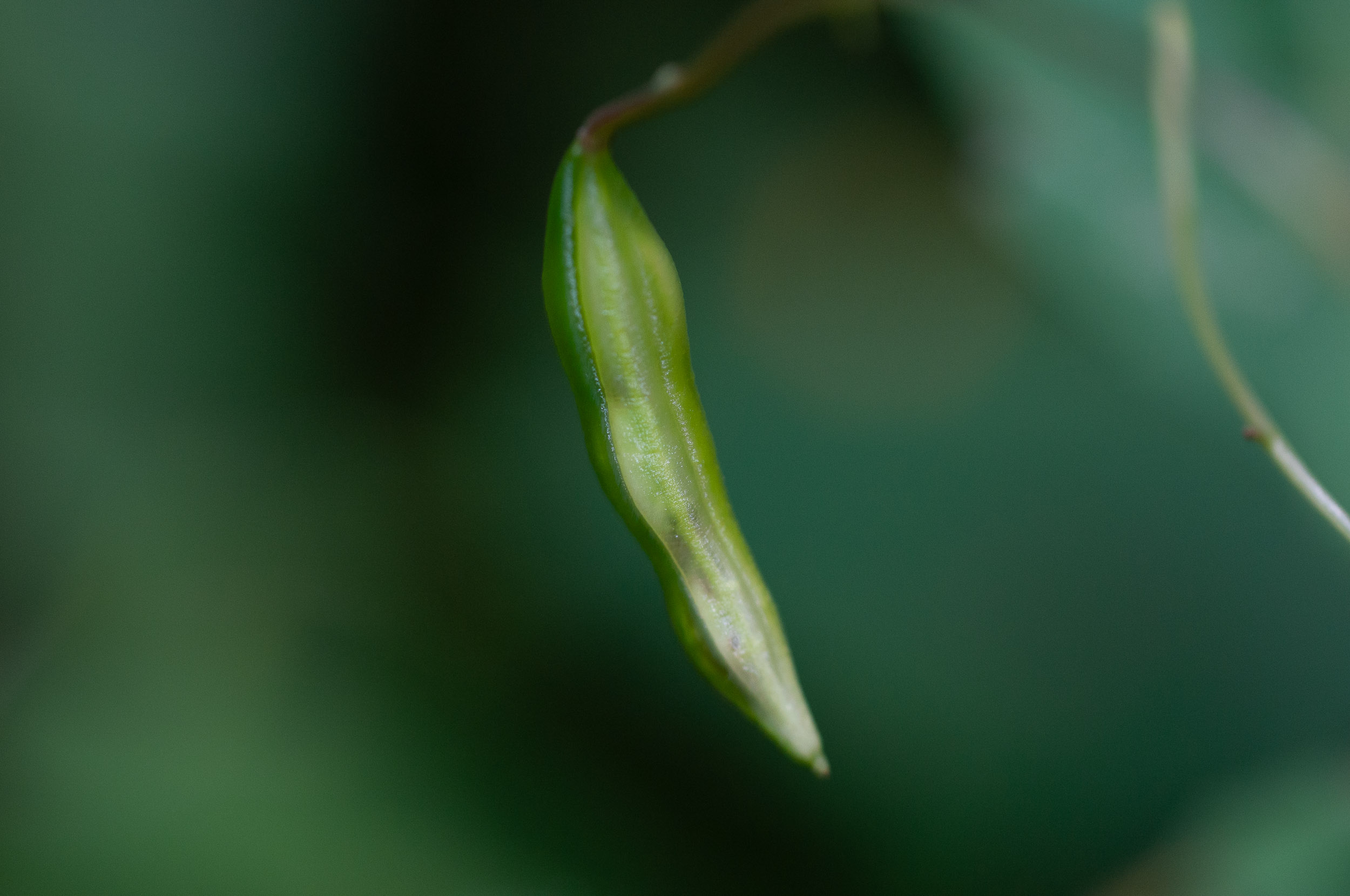
Immature seed pods · 9/13/2009 · Tom and Susan’s, Pepperell, Massachusetts · ≈ 3½ × 2½″ (9.8 × 6.6 cm) 

Unusually dark coloration. · 8/22/2013 · Beaver Brook Conservation Area, Hollis, New Hampshire · ≈ 4 × 3″ (10 × 8.5 cm) 

8/22/2020 · Warbler’s Way, Moose Alley, Hidden Valley Nature Center, Jefferson, Maine · ≈ 6 × 8″ (14 × 20 cm) 

8/7/2017 · Groton Rail Trail, Groton Center, Groton, Massachusetts · ≈ 6 × 10″ (16 × 24 cm) 

8/7/2017 · Groton Rail Trail, Groton Center, Groton, Massachusetts · ≈ 5 × 8″ (13 × 20 cm) 

8/17/2019 · Wildflower Trail, Beaver Brook Conservation Area, Hollis, New Hampshire · ≈ 2 × 2½″ (5.3 × 6.3 cm) 

8/6/2009 · Nashua River Rail Trail, Groton, Massachusetts · ≈ 4½ × 3″ (11 × 8.2 cm) 

8/7/2009 · Tom and Susan’s, Pepperell, Massachusetts · ≈ 4½ × 4½″ (11 × 12 cm) 

7/20/2023 · Curtis Farm Preserve, Harpswell, Maine 

8/4/2006 · Moss Glen Falls, Vermont 

8/16/2014 · Tom and Susan’s, Pepperell, Massachusetts · ≈ 6 × 4″ (15 × 10 cm) 

8/4/2025 · Tarbox Preserve, Topsham, Maine · ≈ 3½ × 4″ (9.6 × 10 cm) 

8/24/2018 · Tom and Susan’s, Pepperell, Massachusetts · ≈ 3 × 3″ (7.7 × 7.9 cm) 

8/7/2017 · Groton Rail Trail, Groton Center, Groton, Massachusetts · ≈ 5 × 3″ (12 × 8.4 cm) 

8/4/2006 · Moss Glen Falls, Vermont 

7/20/2023 · Curtis Farm Preserve, Harpswell, Maine 

8/4/2009 · Tom and Susan’s, Pepperell, Massachusetts · ≈ 4 × 2½″ (9.9 × 6.6 cm) 
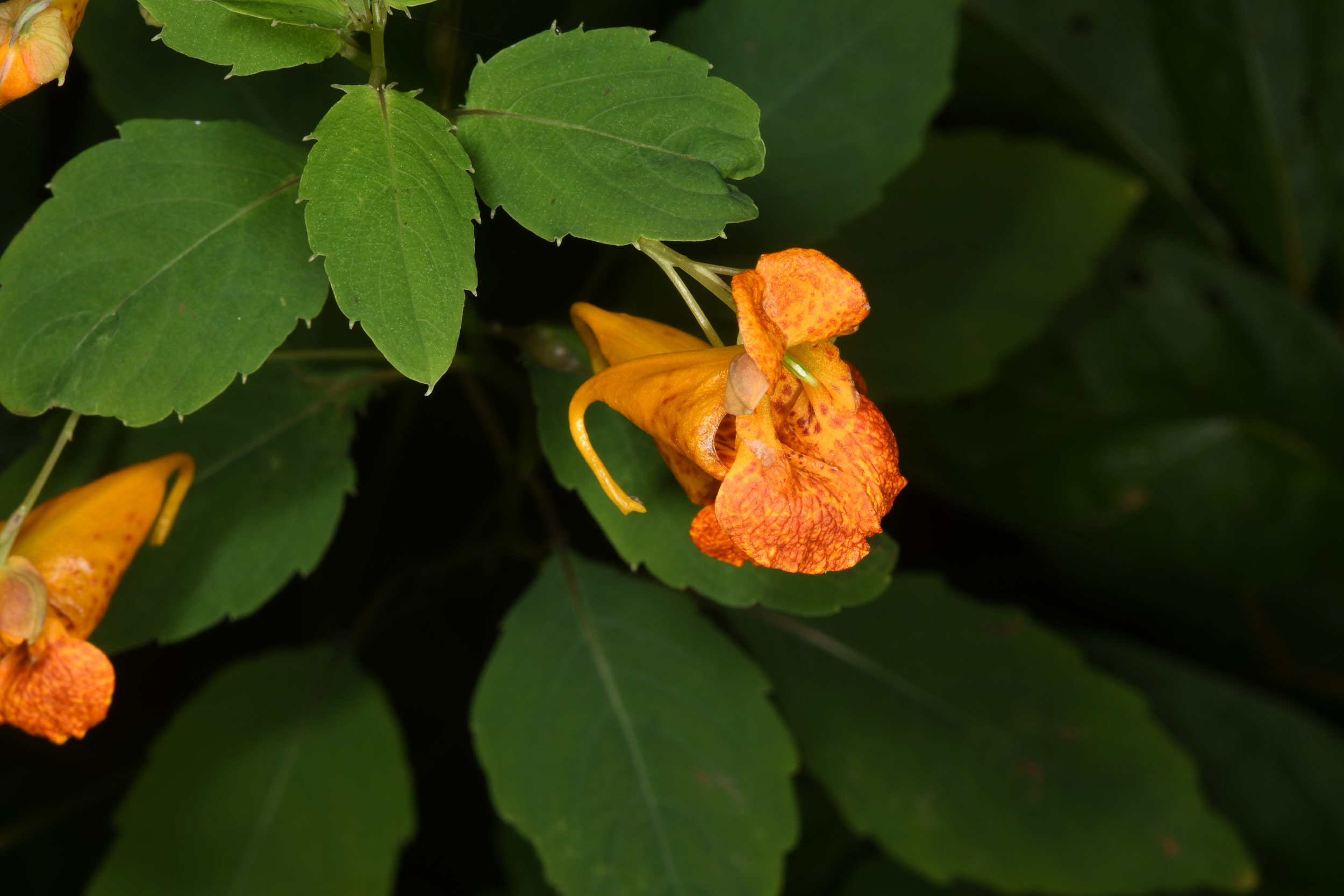
8/28/2016 · Groton Hills Conservation Area and Sawtell Conservation Area, Groton, Massachusetts 

Immature seed pods · 9/13/2009 · Tom and Susan’s, Pepperell, Massachusetts · ≈ 5 × 3½″ (13 × 9.2 cm) 

8/7/2009 · Tom and Susan’s, Pepperell, Massachusetts · ≈ 4½ × 3″ (11 × 8.3 cm) 

8/24/2018 · Tom and Susan’s, Pepperell, Massachusetts · ≈ 5 × 3″ (12 × 8.4 cm) 

8/27/2016 · Williams Barn and Sørhaug Woods, Groton, Massachusetts 

8/7/2009 · Tom and Susan’s, Pepperell, Massachusetts · ≈ 5 × 5″ (12 × 12 cm) 
| Kingdom | Plantae | Plants, but not fungi, lichens, or algae (from Stearn's Botanical Latin) |
| Subkingdom | Tracheobionta | Vascular plants—plants with a “circulatory system” for delivering water and nutrients |
| Division | Magnoliophyta | Flowering plants, also known as angiosperms |
| Class | Magnoliopsida | Dicotyledons—plants with two initial seed leaves |
| Subclass | Rosidae | Roses, legumes, proteas, dogwoods, hydrangeas, mistletoes, euphorbias, grapes, many more |
| Order | Geraniales | Balsams, mustards, geraniums, wood sorrels, nasturtiums, others |
| Family | Balsaminaceae | Balsam family, mostly impatiens |
| Genus | Impatiens | From the Latin for ”impatient,“ a reference to the exploding seedpods |
| Species | capensis | “Of the cape” |
Impatiens capensis description by Thomas H. Kent, not updated.

© FloraFinder.org. All rights reserved.
