Lonicera japonica Thunb. var. chinensis (P.W. Watson) Baker
Nintooa japonica (Thunb.) Sweet
Lonicera japonica Thunb.
Japanese honeysuckle, golden-and-silver honeysuckle
Japanese honeysuckle is native to eastern asia: parts of China, Japan, and Korea. It has become naturalized in much of the rest of the world, including North America; in some habitats it is considered a serious invasive species.
 |
Some honeysuckles. |
Plants: Japanese honeysuckle is very robust—a rapidly spreading vine that spreads by roots, aboveground runners, or seeds. They can reach 16′ (5 m) in size. Young stems are reddish- or light-brown, while older stems are hollow, with peeling bark.
Leaves: Opposite, roughly oval-shaped, with smooth edges. Younger leaves may have lobes.
Flowers: White, showy, fragrant, about 1″ (2.5 cm) in size. They fade to a yellow color. Most of the time it looks like there are two differently colored flowers on the bush.
Fruits: Black, about ⅛″ (3.2 mm) around.
Habitats: Disturbed areas, such as roadsides and floodplains. It spreads more slowly in forested areas.
Edibility: Flowers can be used for nectar, and leaves parboiled for use as a vegetable. Leaves contain somewhat toxic saponins, so boiling in ample water is necessary to remove them. Tea can also be made from leaves, buds, and flowers.
Medical:
Online References:

10/5/2010 · Susan and Raimond’s, Phoenix, Maryland · ≈ 5 × 3½″ (13 × 9.2 cm) 
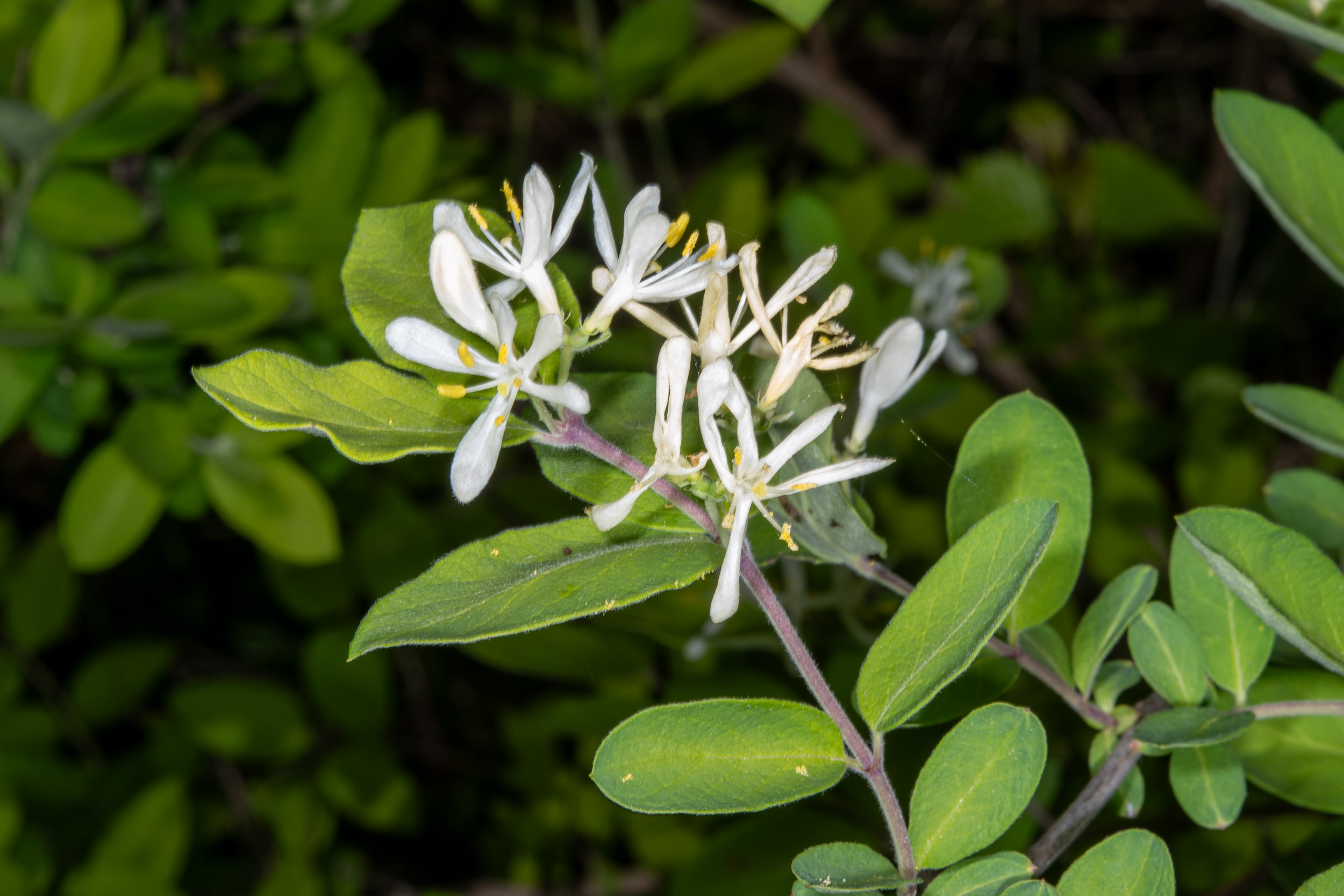
6/3/2025 · Wildes Road Wildlife Management Area, Bowdoinham, Maine · ≈ 6 × 4″ (15 × 10 cm) 

Flowers turn from white to yellow as they age. · 5/5/2010 · Nashua River Rail Trail, Pepperell, Massachusetts · ≈ 7 × 4½″ (17 × 11 cm) 

6/19/2011 · New Jersey · ≈ 5 × 4½″ (12 × 11 cm) 

6/3/2021 · Widgeon Cove, Harpswell, Maine · ≈ 3½ × 3″ (9.6 × 7.9 cm) 
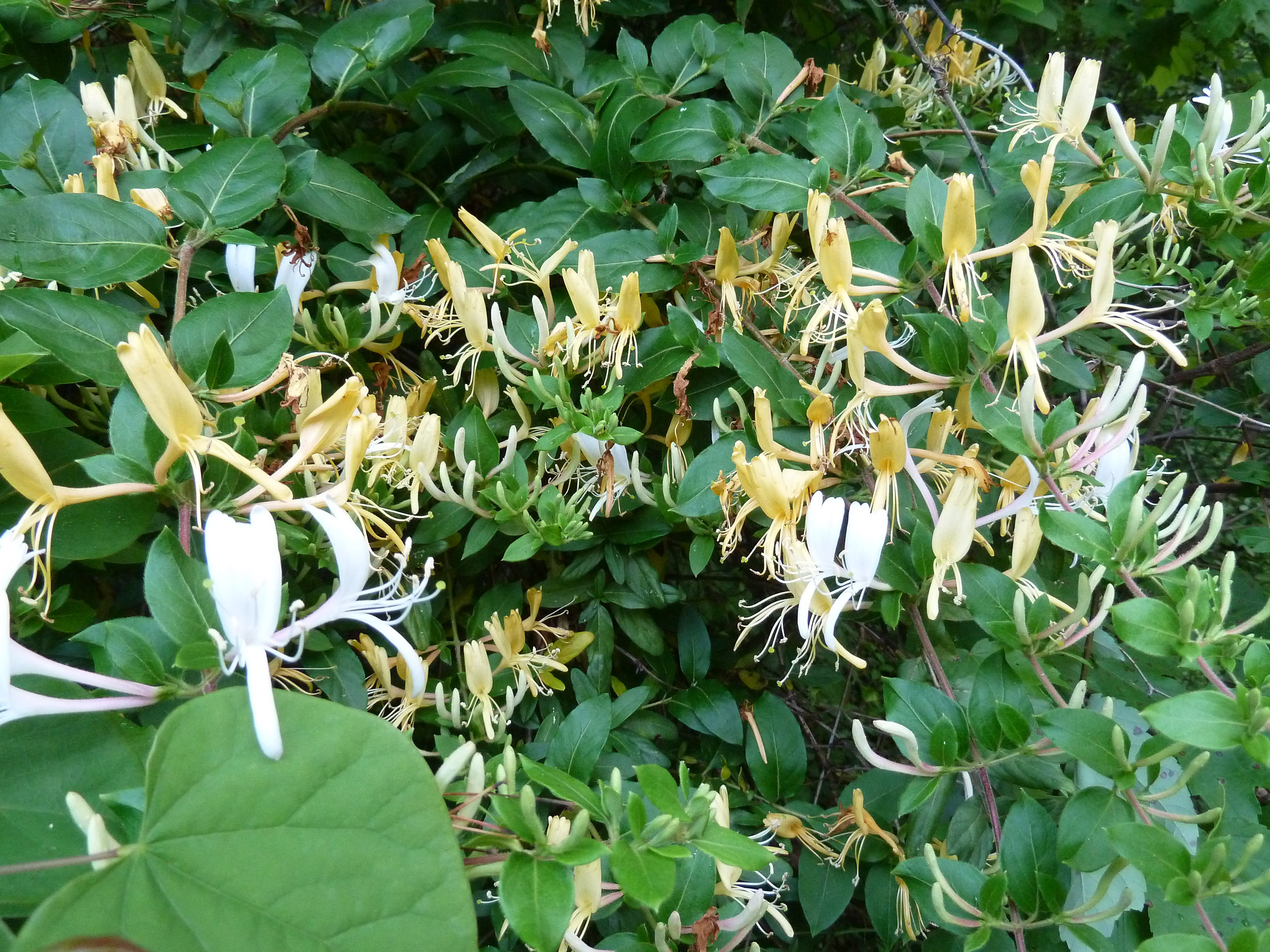
4/26/2012 

5/11/2010 · Nashua River Rail Trail, Pepperell, Massachusetts · ≈ 17 × 12″ (44 × 29 cm)  ID is uncertain


10/5/2010 · Susan and Raimond’s, Phoenix, Maryland · ≈ 17 × 12″ (44 × 29 cm) 

10/5/2010 · Susan and Raimond’s, Phoenix, Maryland · ≈ 8 × 5″ (19 × 13 cm) 

10/5/2010 · Susan and Raimond’s, Phoenix, Maryland · ≈ 8 × 5″ (19 × 13 cm) 

6/19/2011 · New Jersey · ≈ 4½ × 3″ (11 × 7.9 cm) 
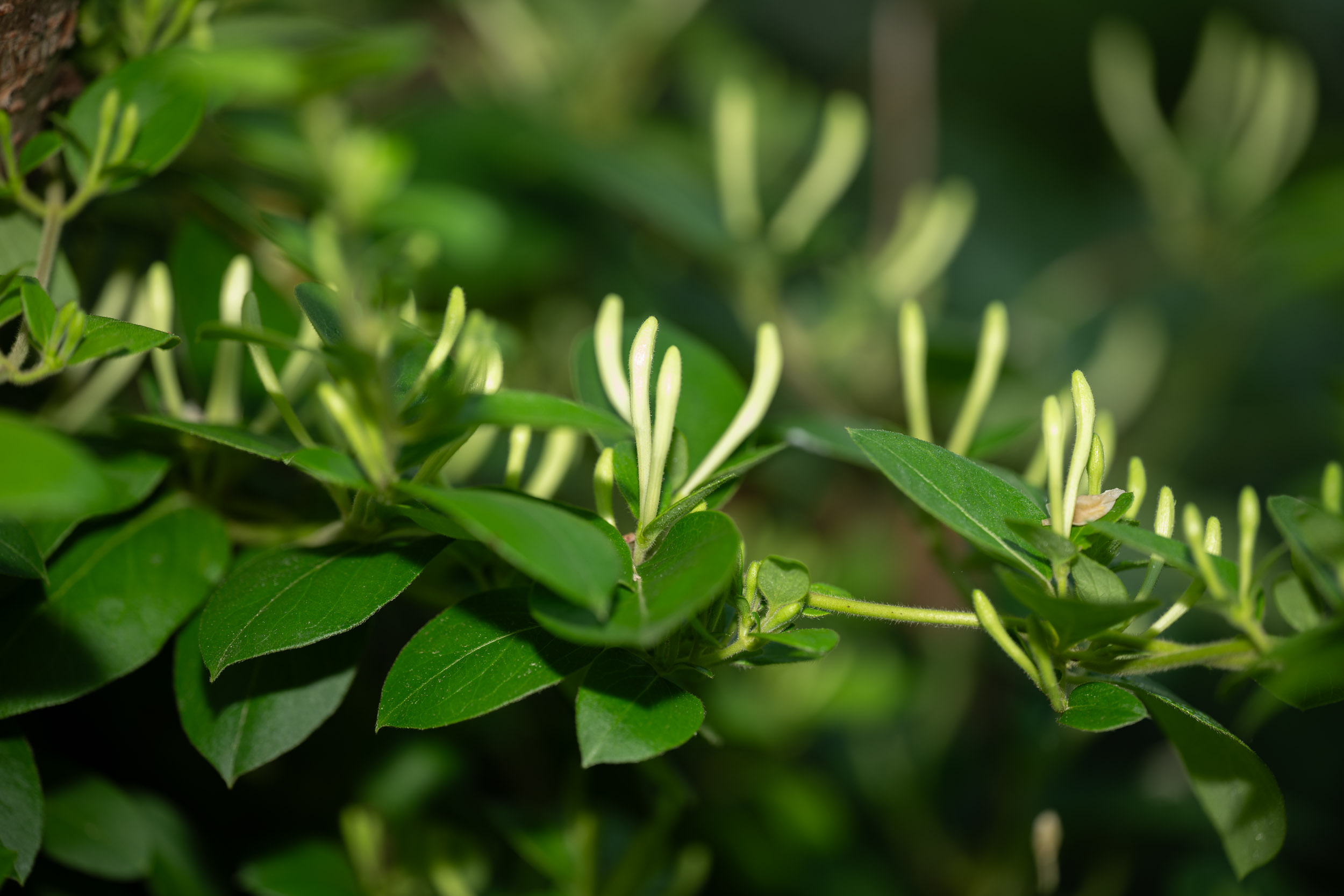
5/26/2026 · Hudson Highlands State Park Preserve, Cold Springs, New York · ≈ 9 × 6″ (22 × 15 cm) 

10/5/2010 · Susan and Raimond’s, Phoenix, Maryland · ≈ 8 × 5″ (19 × 13 cm) 

10/5/2010 · Susan and Raimond’s, Phoenix, Maryland · ≈ 11 × 7″ (27 × 18 cm) 

10/5/2010 · Susan and Raimond’s, Phoenix, Maryland · ≈ 9 × 6″ (22 × 14 cm) 
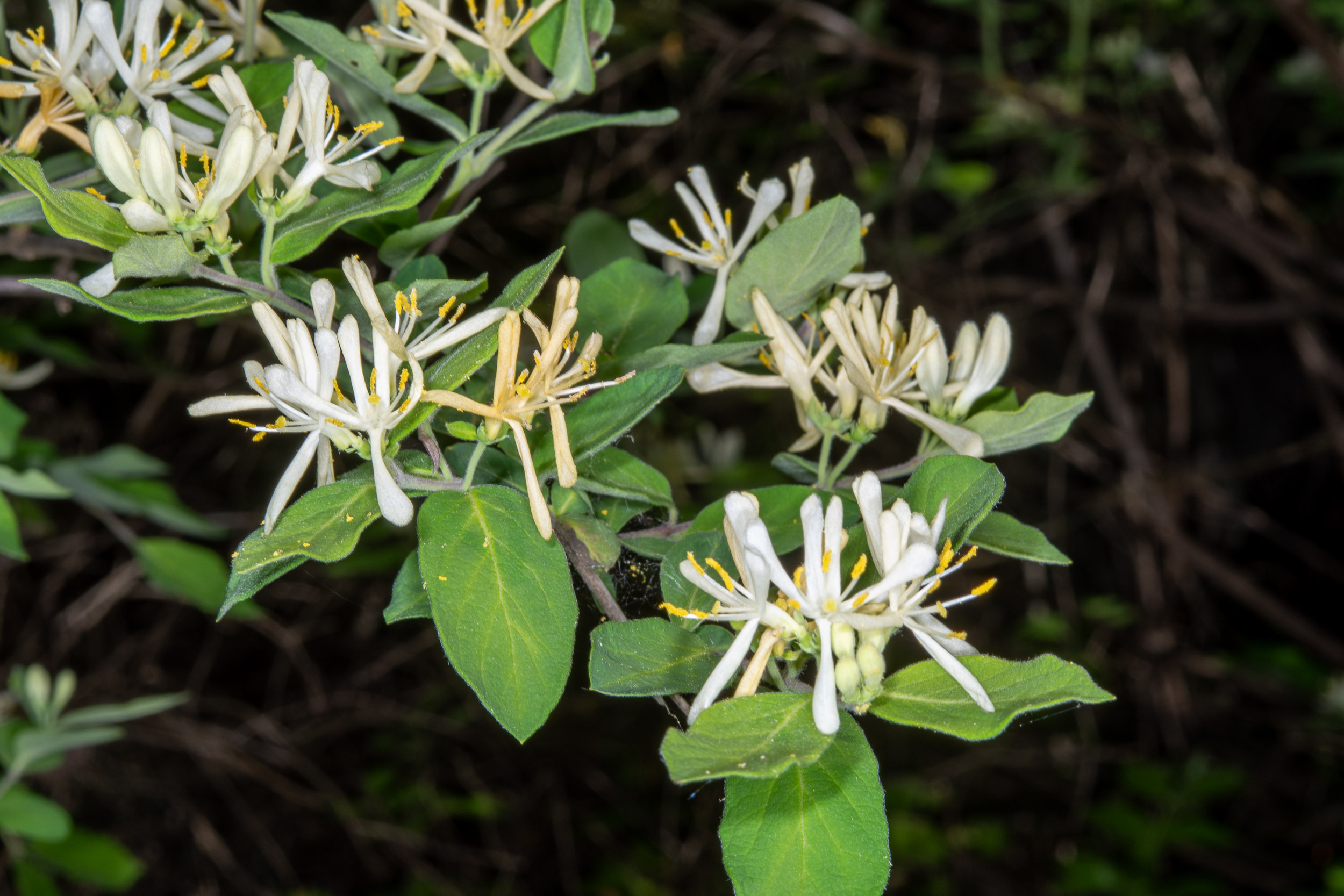
6/3/2025 · Wildes Road Wildlife Management Area, Bowdoinham, Maine · ≈ 7 × 4½″ (18 × 12 cm) 

5/28/2021 · Brunswick Commons, Brunswick, Maine · ≈ 4½ × 3″ (11 × 7.9 cm) 

5/30/2014 · Tom and Susan’s, Pepperell, Massachusetts · ≈ 8 × 5″ (19 × 12 cm) 
| Kingdom | Plantae | Plants, but not fungi, lichens, or algae (from Stearn's Botanical Latin) |
| Subkingdom | Tracheobionta | Vascular plants—plants with a “circulatory system” for delivering water and nutrients |
| Division | Magnoliophyta | Flowering plants, also known as angiosperms |
| Class | Magnoliopsida | Dicotyledons—plants with two initial seed leaves |
| Subclass | Asteridae | A large class that encompasses asters |
| Order | Dipsacales | Includes viburnum, honeysuckle, snowberry, beautybush, twinflower, many others |
| Family | Caprifoliaceae | Honeysuckle family |
| Genus | Lonicera | Either Latin for honeysuckle, though this is not a “true” honeysuckle; or named for Adam Lonitzer (1528-1586), a German herbalist, physician and botanist who wrote a standard herbal text that was reprinted many times between 1557 and 1783 |
| Species | japonica | “From Japan” |
Lonicera japonica description by Thomas H. Kent, not updated.

© FloraFinder.org. All rights reserved.
