Coronaria coriacea (Moench) Schischkin & Gorschk.
Silene coronaria (L.) Clairville
Lychnis coronaria (L.) Desr.
Catchfly, rose campion
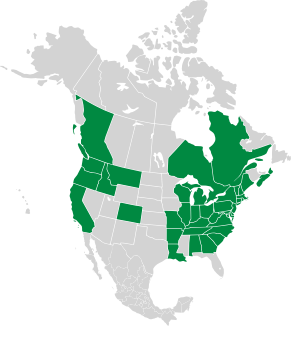
Rose campion is native to Eurasia and northern Africa, and naturalized via garden escapes in North America. Their dramatic hot pink flowers and silver-gray fuzzy foliage make them a favorite with gardeners.
Plants: Herbaceous perennials are up to 1–3′ tall ⨉ 1–1½′ around (40–101 ⨉ 30–45 cm), with grayish-green, densely hairy stems.
Leaves: Basal clumps of leaves are ovate to lanceolate, simple, entire, and densely and softly hairy, resembling silver-gray felt. Leaves are 1–6″ long ⨉ ⅜–¾″ wide (3–15 ⨉ 1–2 cm). As the plant matures, progressively smaller opposite leaves appear on the stem.
Flowers: Profuse five-petaled flowers are a very attractive rose magenta color. (Cultivars are available in many shades of pink and white.) Each flower is 1–1½″ (2.5–3.8 cm) in diameter, with ten stamens. Flowers appear from June to July.
Fruits: Ovoid tan capsules are ½″ (1.3 cm) long, containing many tiny kidney-shaped black seeds.
Habitats: In addition to gardens, they appear in full sun on roadsides and in meadows, fields, clearings, or rocky areas.
Online References:
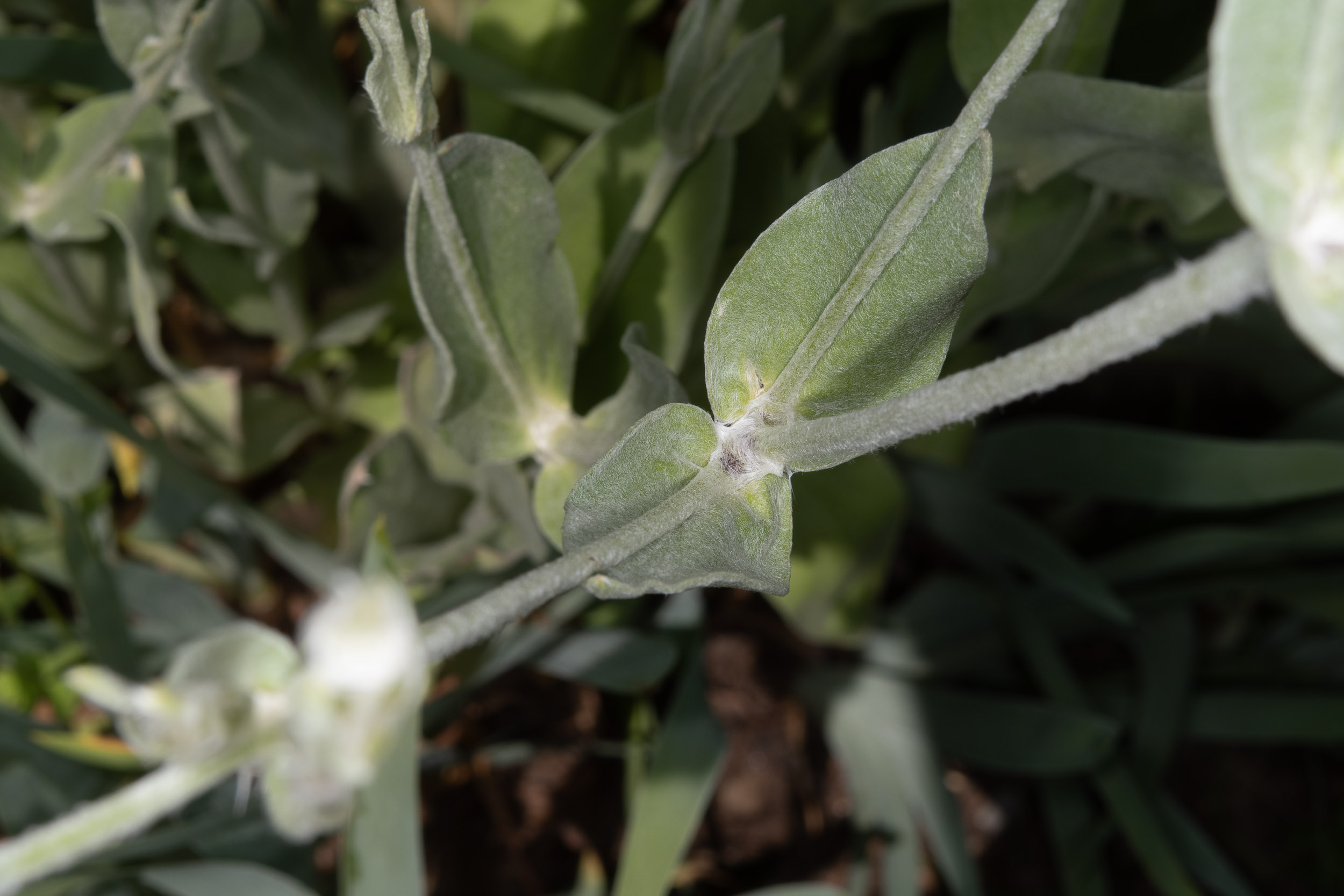
6/26/2017 · Beaver Brook Conservation Area, Hollis, Massachusetts · ≈ 7 × 4½″ (18 × 12 cm) 
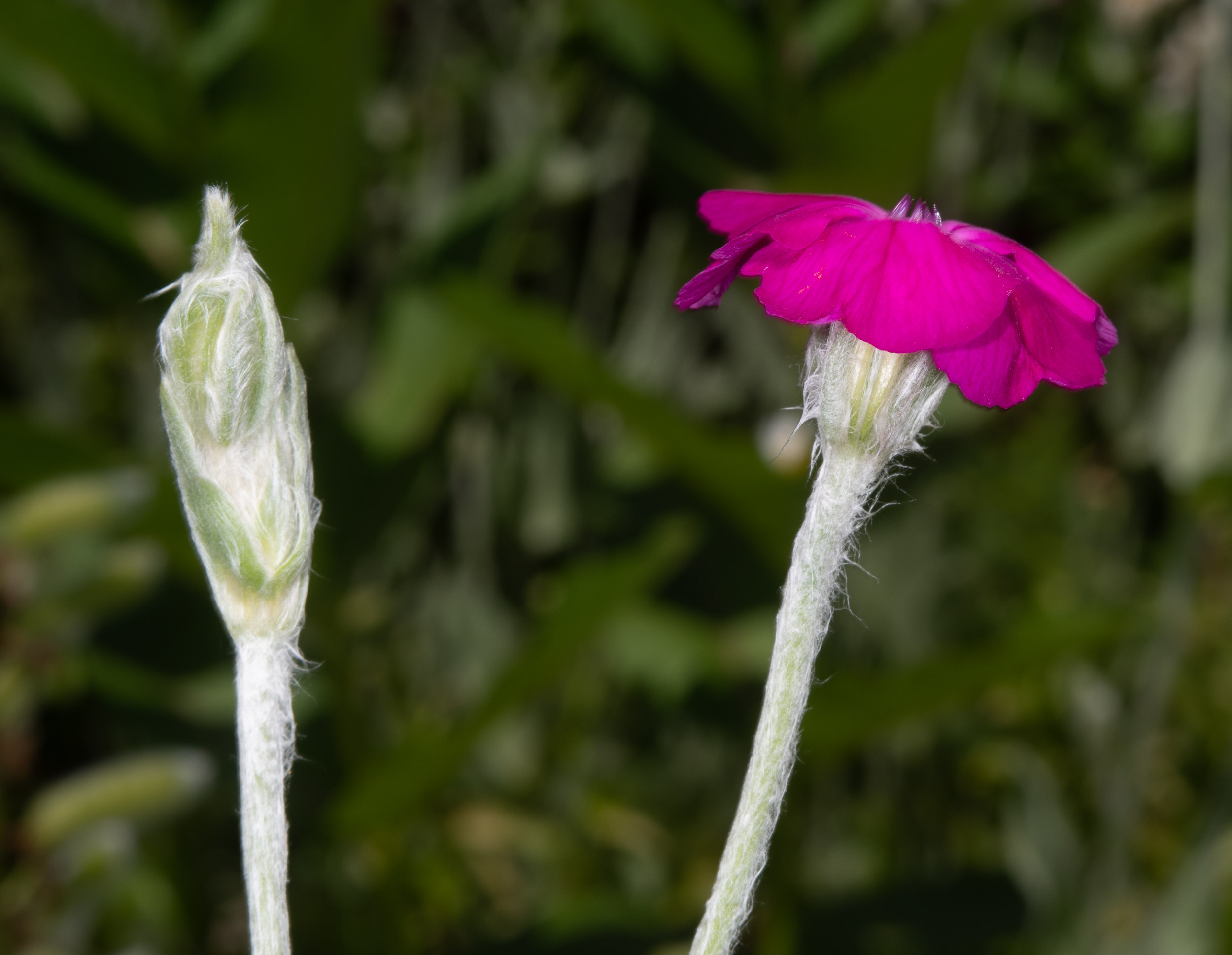
6/26/2017 · Beaver Brook Conservation Area, Hollis, Massachusetts · ≈ 4½ × 3½″ (11 × 9 cm) 
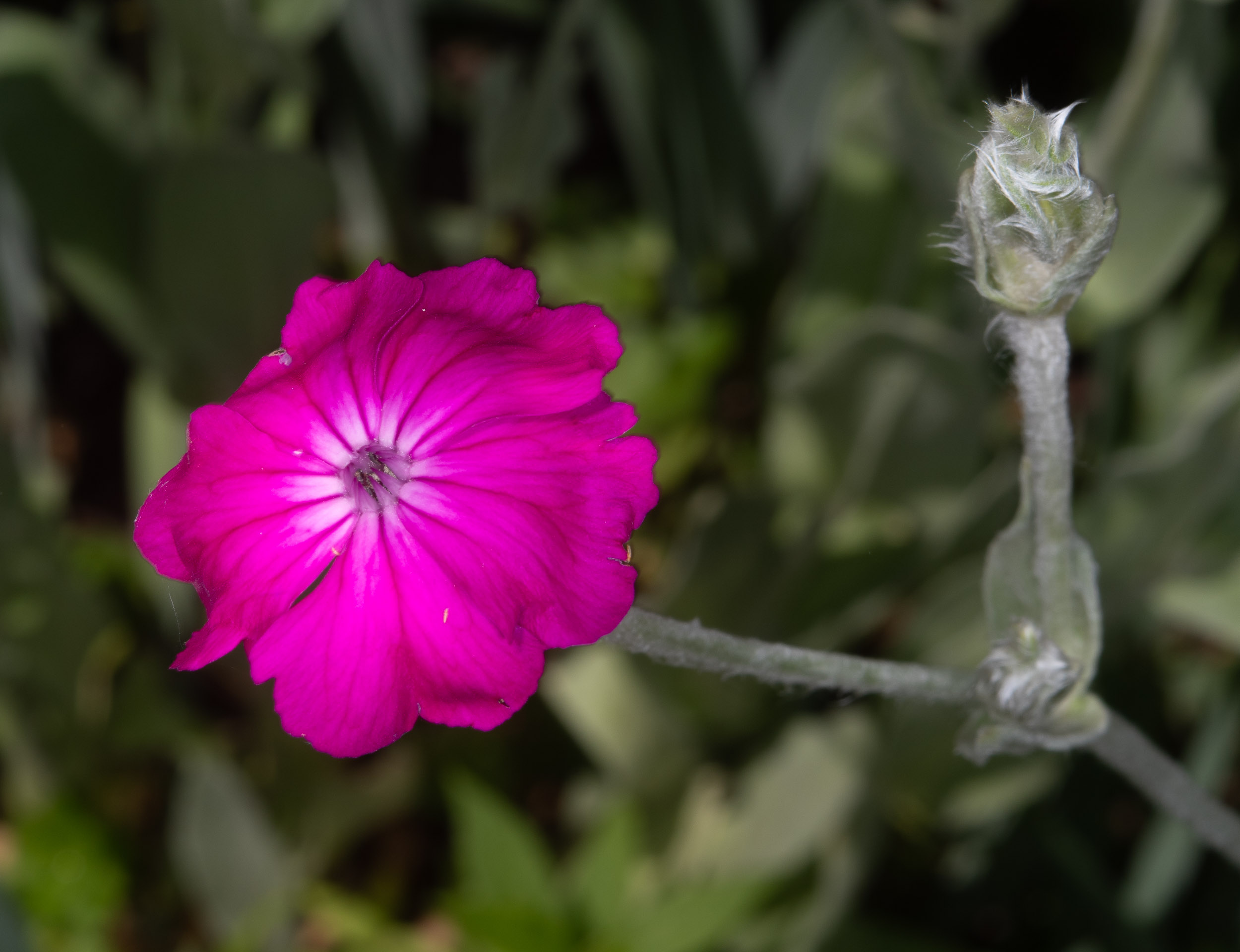
6/26/2017 · Beaver Brook Conservation Area, Hollis, Massachusetts · ≈ 4½ × 3½″ (11 × 8.8 cm) 
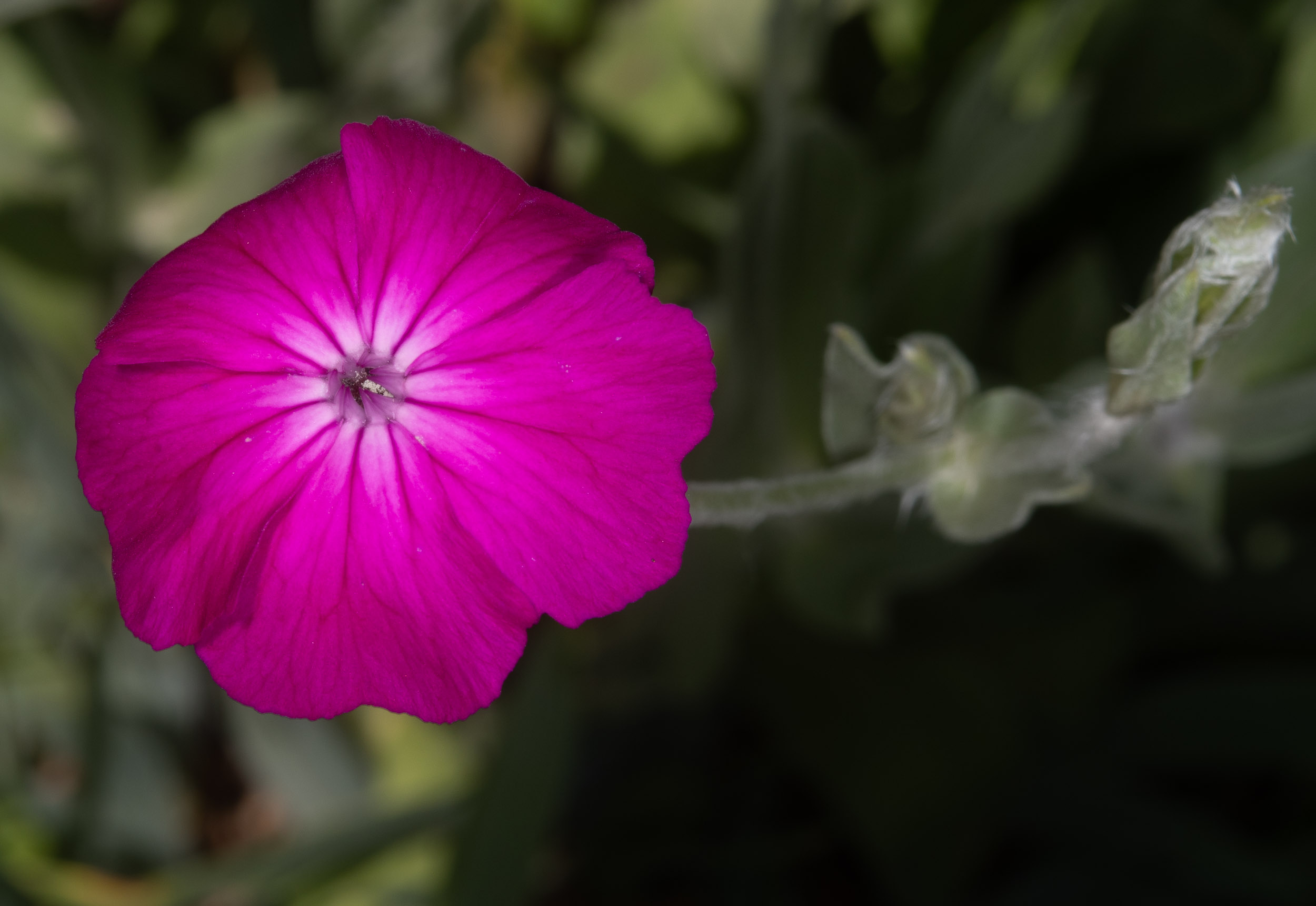
6/26/2017 · Beaver Brook Conservation Area, Hollis, Massachusetts · ≈ 4 × 2½″ (10 × 7.1 cm) 
| Parents | Unknown | Genus is not in the current taxonomy |
| Genus | Lychnis | Greek for “lamp” |
| Species | coronaria | Used for or belonging to garlands |
Lychnis coronaria description by Thomas H. Kent, not updated.

© FloraFinder.org. All rights reserved.