Oenothera biennis L. ssp. centralis Munz
Oenothera biennis L. var. pycnocarpa (Atk. & Bartlett) Wiegand
Oenothera muricata L.
Oenothera pycnocarpa Atk. & Bartlett
Oenothera biennis L.
Common evening primrose
Common evening primroses are indeed common, native throughout much of the world and found everywhere except deserts in North America. Evening primroses are so-called because their flowers open at night.
Plants: 3–5′ (91–152 cm) tall, rarely up to 8′ (2.4 m). Usually composed of a single central stem, plants sometimes branch out multiply if there is enough light, looking almost shrublike. Stems are light green or red, with short whitish hairs.
Leaves: Lanceolate—long, thin, sharp-tipped ovals 1¾–8 ⨉ ⅜–⅞″ (5–20 ⨉ 1–2.5 cm), light or olive green. Plants have a two year (“biennial”) life cycle. In the first year, the leaves form a rosette at the base of the plant. In the second, they are arranged around the stem in a spiral pattern.
Flowers: Pale to bright yellow, with four petals, up to 2″ (5 cm) across; they open at night. They are hermaphrodites—each flower has both male and female structures. Under ultraviolet light, a “nectar guide” appears: landing lights, if you will, for pollinators such as bees. They appear from June to October.
Fruits: Capsules ¾–1½ ⨉ ⅛–3/16″ (2–4 cm ⨉ 4–6 mm).
Habitats: Fields, roadsides, lawns, river banks, clearings, railroads.
Edibility: Roots are edible, raw or cooked. Leaves can be used on salads or cooked. Flower buds are a delicacy.
Online References:

8/2/2009 · Gordon & Kathy’s, Prospect, Maine · ≈ 3½ × 5″ (9.6 × 13 cm)  ID is uncertain

8/6/2009 · Nashua River Rail Trail, Groton, Massachusetts · ≈ 9 × 7″ (22 × 18 cm) ID is uncertain 

8/11/2010 · Nashua River Rail Trail, Groton Center, Groton, Massachusetts · ≈ 3½ × 3″ (9.5 × 7.9 cm) 

9/4/2017 · Oxbow National Wildlife Refuge, Ayer, Massachusetts · ≈ 4½ × 3″ (11 × 8.4 cm) 

8/8/2009 · Nashua River Rail Trail, Groton, Massachusetts · ≈ 4 × 5″ (10 × 13 cm) ID is uncertain 

8/4/2009 · Near Nashoba Hospital, Ayer, Massachusetts · ≈ 4½ × 4½″ (12 × 11 cm) ID is uncertain 

9/11/2010 · Nashua River Rail Trail, Groton Center, Groton, Massachusetts · ≈ 4½ × 3½″ (11 × 9.2 cm) 

8/2/2009 · Gordon & Kathy’s, Prospect, Maine · ≈ 3 × 4″ (7.5 × 9.9 cm) ID is uncertain 

9/4/2017 · Oxbow National Wildlife Refuge, Ayer, Massachusetts · ≈ 3½ × 5″ (9.2 × 13 cm) 

8/2/2009 · Gordon & Kathy’s, Prospect, Maine · ≈ 2½ × 4″ (7 × 9.9 cm) ID is uncertain 

4/12/2012 · Nashua River Rail Trail, Groton, Groton, Massachusetts · ≈ 5 × 6″ (13 × 14 cm) ID is uncertain 

8/6/2009 · Nashua River Rail Trail, Groton, Massachusetts · ≈ 5 × 4½″ (13 × 11 cm) ID is uncertain 

The primrose moth (Schinia florida) on his preferred haunt. · 8/18/2013 · Bemis Road, Townsend, Massachusetts · ≈ 2 × 2½″ (5.8 × 6.2 cm) 
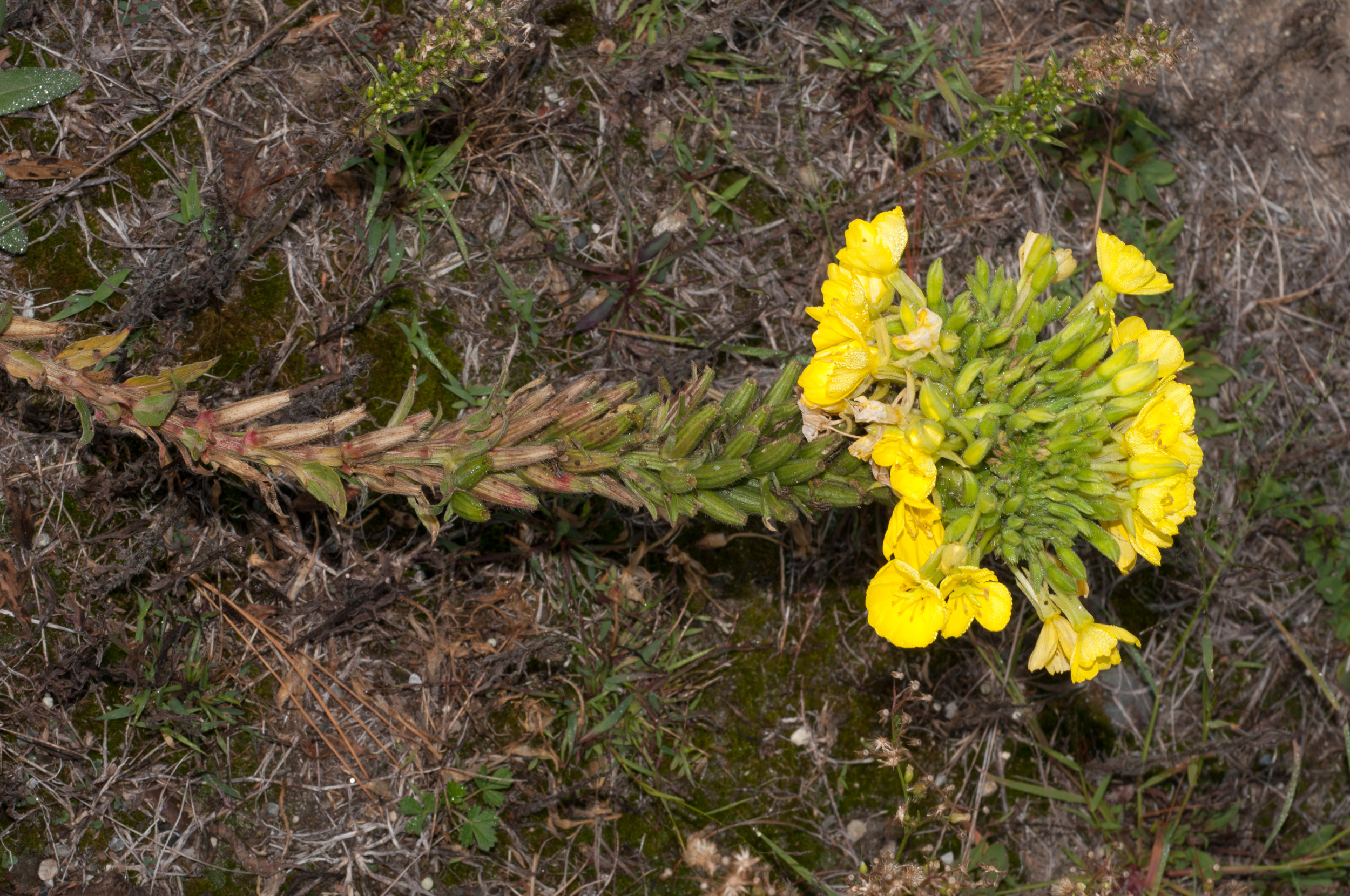
9/19/2010 · Nashua River Rail Trail, Hollis, New Hampshire · ≈ 14 × 9″ (35 × 23 cm) ID is uncertain 

8/4/2009 · Near Nashoba Hospital, Ayer, Massachusetts · ≈ 6 × 9″ (14 × 22 cm) ID is uncertain 

8/1/2009 · Coastal Maine Botanical Gardens, Boothbay, Maine ID is uncertain 
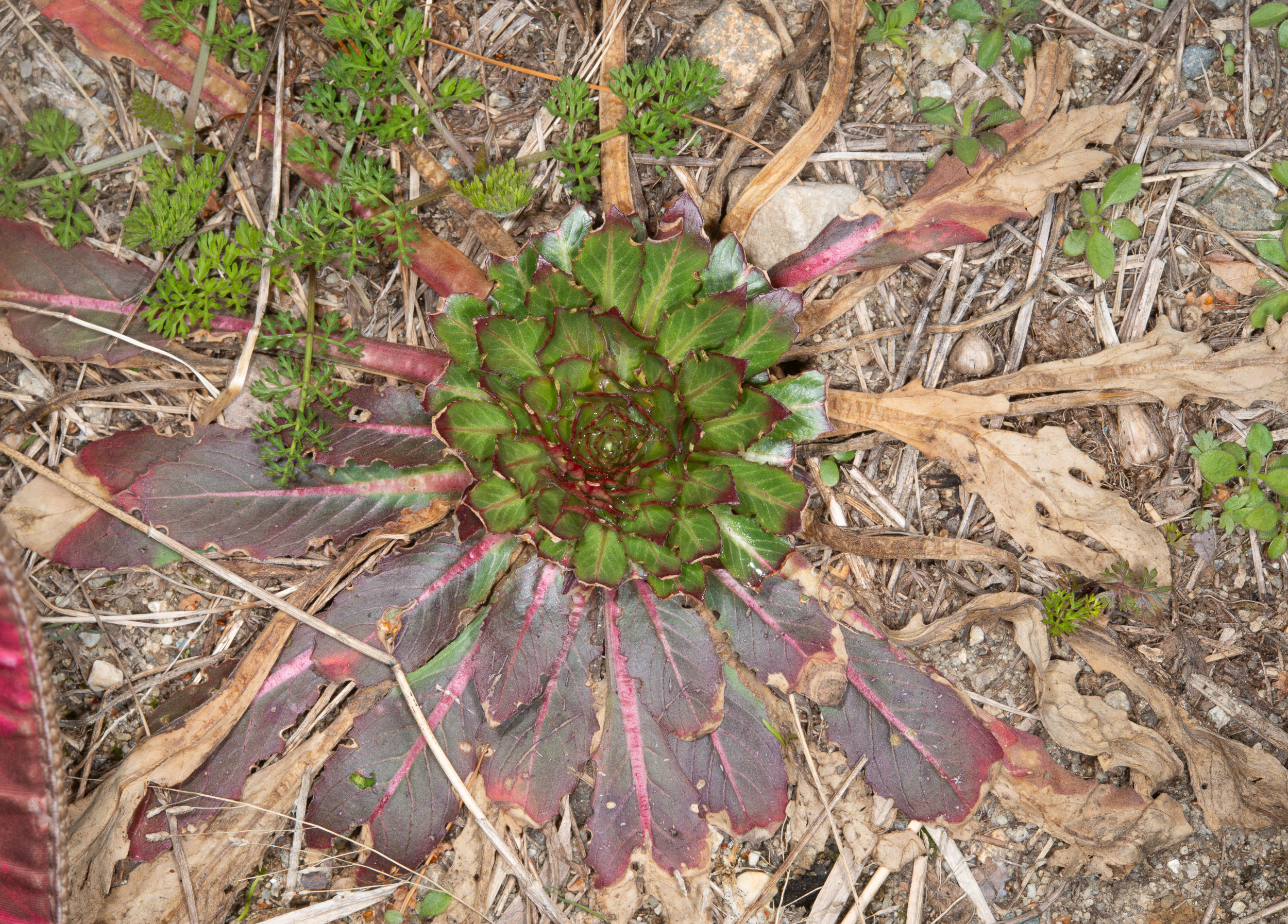
4/20/2017 · Townsend Wildlife Management Area, Townsend, Massachusetts · ≈ 9 × 7″ (23 × 16 cm) 

9/10/2010 · Nashua River Rail Trail, Groton Center, Groton, Massachusetts · ≈ 6 × 4″ (15 × 10 cm) 

That’s a goldenrod soldier beetle (Chauliognathus pensylvanicus) · 8/19/2018 · Townsend Wildlife Management Area, Townsend, Massachusetts · ≈ 3 × 3½″ (8.1 × 9 cm) 

7/28/2009 · Near Nashua River Boat Ramp, Groton, Massachusetts · ≈ 3½ × 4″ (9.1 × 10 cm) ID is uncertain 

8/8/2009 · Nashua River Rail Trail, Groton, Massachusetts · ≈ 8 × 6″ (20 × 15 cm) ID is uncertain 

The visitor is a primrose moth (Schinia florida). · 8/4/2009 · Near Nashoba Hospital, Ayer, Massachusetts · ≈ 4½ × 4″ (12 × 10 cm) ID is uncertain 
| Kingdom | Plantae | Plants, but not fungi, lichens, or algae (from Stearn's Botanical Latin) |
| Subkingdom | Tracheobionta | Vascular plants—plants with a “circulatory system” for delivering water and nutrients |
| Division | Magnoliophyta | Flowering plants, also known as angiosperms |
| Class | Magnoliopsida | Dicotyledons—plants with two initial seed leaves |
| Subclass | Rosidae | Roses, legumes, proteas, dogwoods, hydrangeas, mistletoes, euphorbias, grapes, many more |
| Order | Myrtales | Includes myrtles, leadwoods, loosestrifes, pomegranates, evening primroses, many others |
| Family | Onagraceae | Willowherb/evening primrose family |
| Genus | Oenothera | Derivation uncertain: 1. Greek ονος θηρας (onos theras), or “donkey catcher.” 2. Or οινος θηρας (oinos theras), “wine seeker.” 3. Or Latin oenothera, “a plant whose juices may cause sleep” |
| Species | biennis | “Completing its life cycle over two growing seasons” (biennial) |
Oenothera biennis description by Thomas H. Kent, not updated.

© FloraFinder.org. All rights reserved.
