Paeonia lactiflora Pall.
Peony, Chinese peony
[An article has not been written yet.]
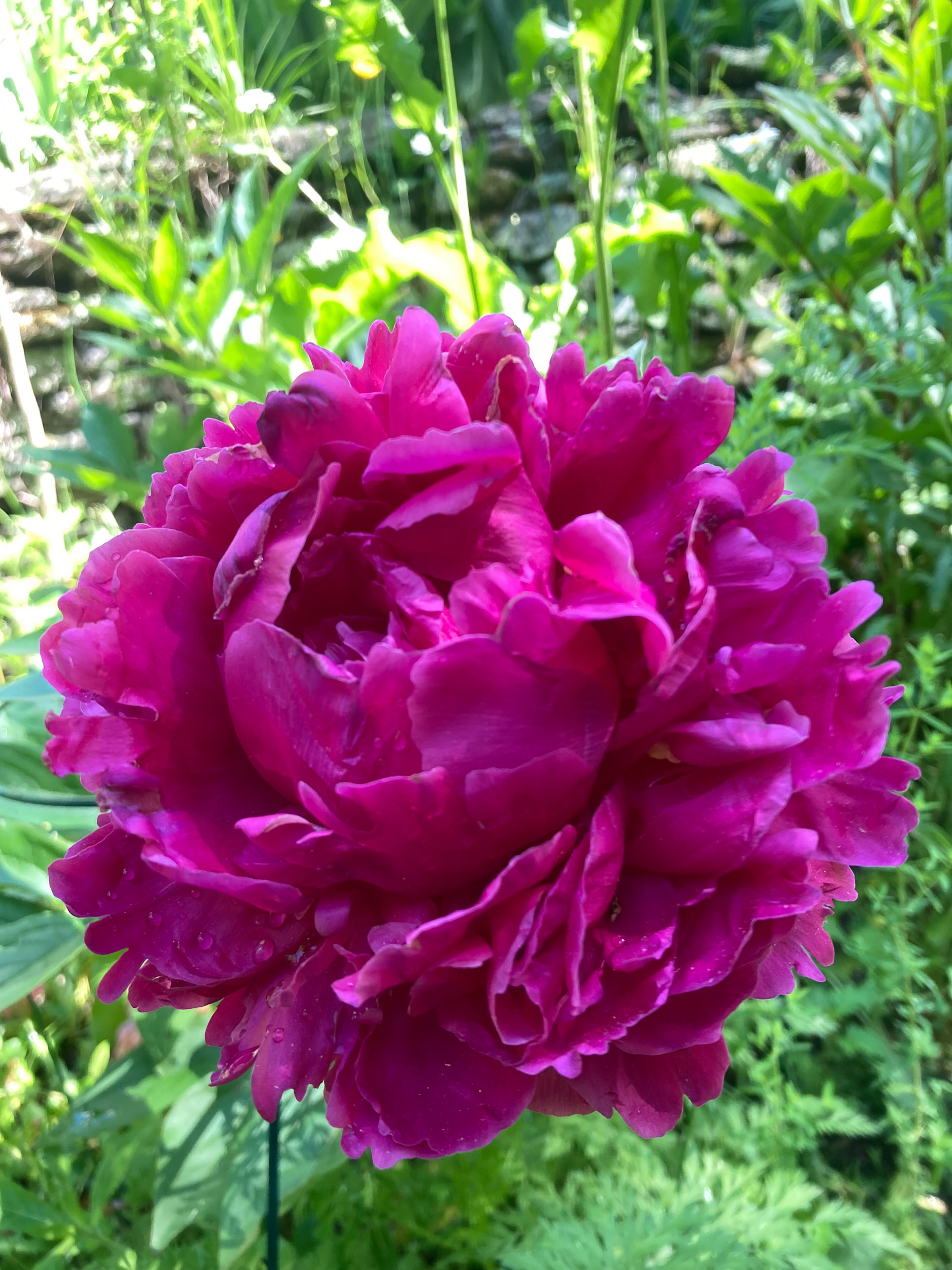
6/12/2024 · East Falmouth, Massachusetts · By Craig Dickson 

6/27/2026 · Coastal Maine Botanical Gardens, Boothbay, Maine · ≈ 16 × 11″ (40 × 27 cm) 
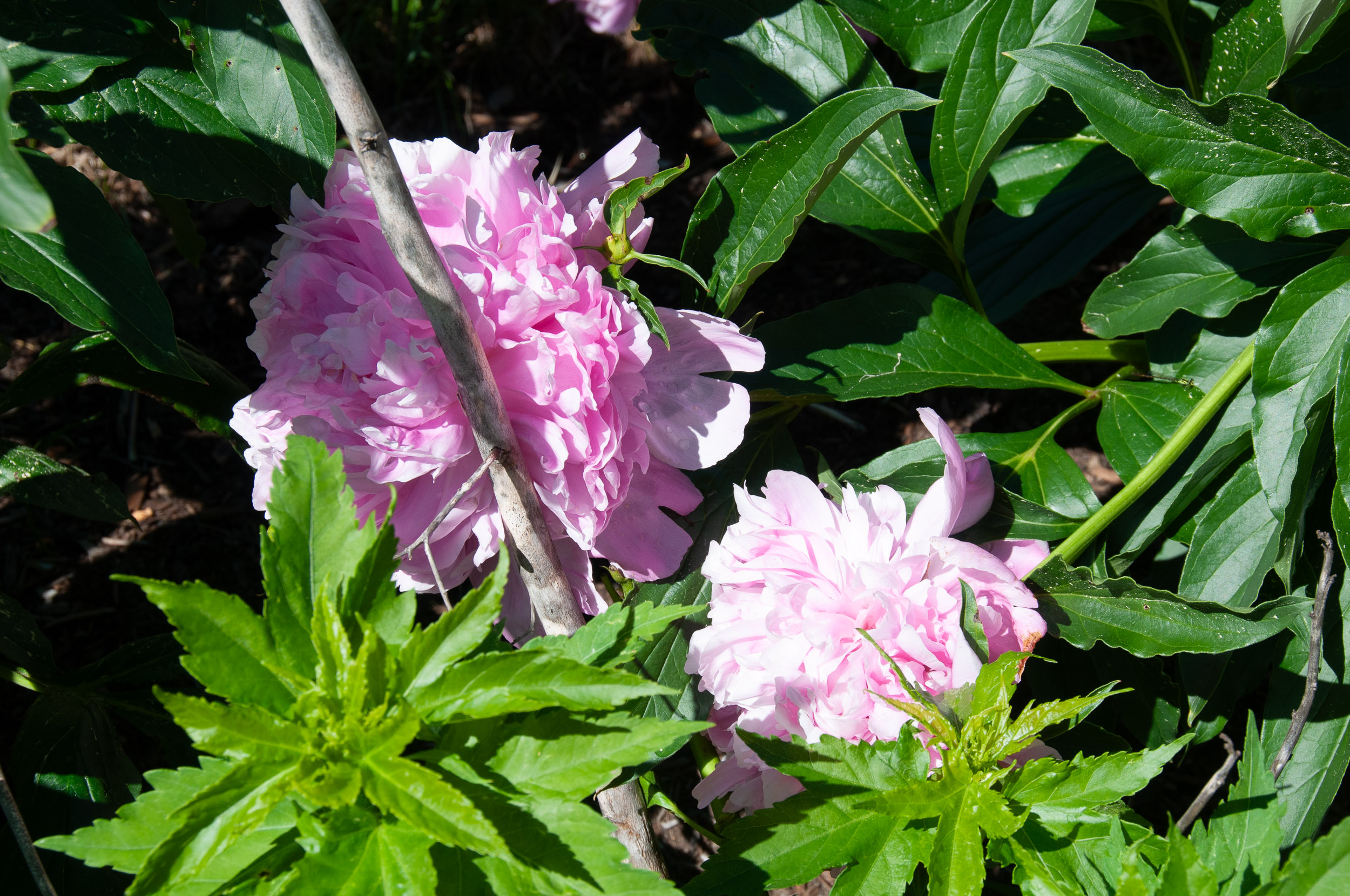
6/11/2008 · Tom and Susan’s, Pepperell, Massachusetts · ≈ 17 × 11″ (42 × 28 cm)  ID is uncertain
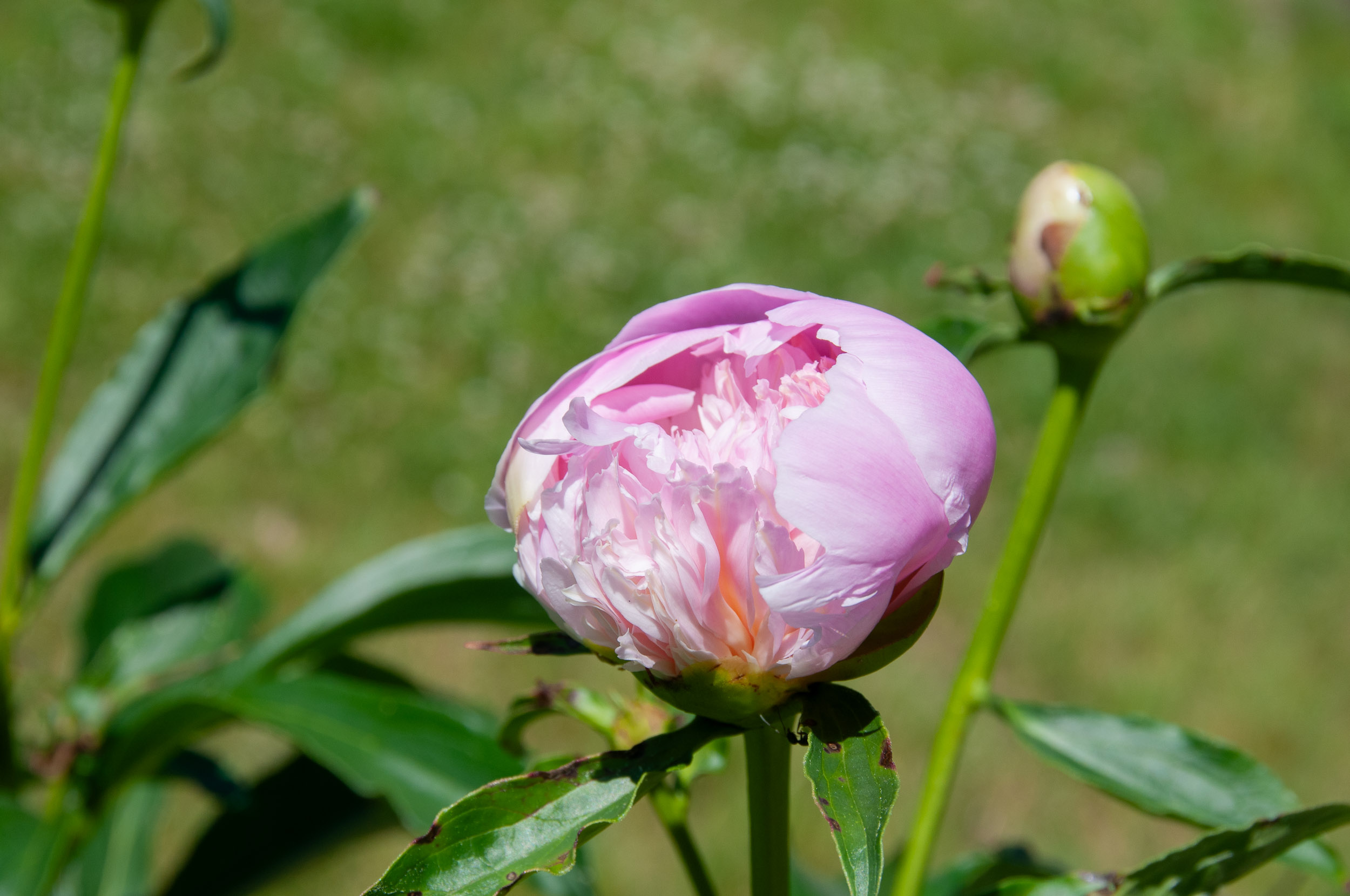
6/11/2008 · Tom and Susan’s, Pepperell, Massachusetts · ≈ 7 × 4½″ (16 × 11 cm) ID is uncertain 

6/27/2026 · Coastal Maine Botanical Gardens, Boothbay, Maine · ≈ 12 × 8″ (30 × 20 cm) 

6/4/2013 · Tom and Susan’s, Pepperell, Massachusetts · ≈ 9 × 7″ (23 × 16 cm) ID is uncertain 

6/11/2008 · Tom and Susan’s, Pepperell, Massachusetts · ≈ 11 × 8″ (28 × 19 cm) ID is uncertain 

6/5/2007 · Tom and Susan’s, Pepperell, Massachusetts ID is uncertain 
| Kingdom | Plantae | Plants, but not fungi, lichens, or algae (from Stearn's Botanical Latin) |
| Subkingdom | Tracheobionta | Vascular plants—plants with a “circulatory system” for delivering water and nutrients |
| Division | Magnoliophyta | Flowering plants, also known as angiosperms |
| Class | Magnoliopsida | Dicotyledons—plants with two initial seed leaves |
| Subclass | Dilleniidae | Trees and shrubs with polypetalus or gamopetalous corollas, often with ovules attached to the walls of the ovary. The name is from the genus Dillenia |
| Order | Dilleniales | From the genus Dillenia, which Carl Linnaeus named to honor German botanist Johann Jacob Dillenius (1684–1747) |
| Family | Paeoniaceae | The peony family, Peaonia |
| Genus | Paeonia | Honors Paeon, the physician of the gods in Homer’s Iliad who used the plant to heal the wound that Hercules inflicted on Pluto |
| Species | lactiflora | From lac, láctis, latte, ”milk,“ and flos, floris, fiore, flower—for the milk-white flowers |
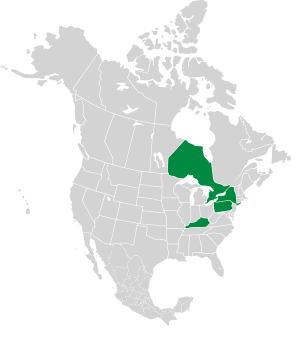
Paeonia lactiflora description by Thomas H. Kent, not updated.

© FloraFinder.org. All rights reserved.