Pteridium aquilinum (L.) Kuhn
Bracken, bracken fern, western brackenfern, pasture brake
Common bracken was originally native to Eurasia and North America, but it is now found pretty much worldwide, in climates ranging from temperate to subtropical.
Identification: This is a deciduous perennial, 12–39″ (30–100 cm) in size. The main stem, called a stipe in the fern world, is up to ⅜″ (1 cm) in size, and covered in short hairs. The root system is quite remarkable, reaching lengths of up to 49′ (15 m) and depths of up to 11′ (3.5 m). The spreading rhizomes form dense colonies that are genetically identical. Not clones, rather additional growths from the same plant. Colonies can reach 650 years in age. Although these ferns are quickly killed by frost in the fall, the large root systems ensure a quick recovery in the spring.
Whorls of three fronds are compound leaves 8–31″ (20–80 cm) long, divided into leaflets, which are further divided, and yet again. The fronds tend to be oriented to catch as much light as possible in the filtered sunlight of forest understories. Spore-bearing fronds look about the same as sterile fronds. In the spring, emerging plants, called fiddleheads, are brown, covered with silvery hairs.
Habitats: Sandy to peaty acidic soils—dry woodlands, fields, thickets, areas of disturbed soils, and marshes. It is an early colonizer after fires.
Edibility:  Poisonous. The fiddleheads (newly
emerging plants, curled up like fiddleheads) can cause
weakness, high fever, loss of coordination, and convulsions. Though not severely poisonous,
this is worth noting because the
fiddleheads from some other fern species are edible.
Poisonous. The fiddleheads (newly
emerging plants, curled up like fiddleheads) can cause
weakness, high fever, loss of coordination, and convulsions. Though not severely poisonous,
this is worth noting because the
fiddleheads from some other fern species are edible.
Online References:

I think the aphids are Macrosiphum clydesmithi, slender-cornicled oceanspray-fern aphids · 6/17/2021 · Brunswick Commons, Brunswick, Maine · ≈ 4½ × 3″ (11 × 7.9 cm) 

I think the aphids are Macrosiphum clydesmithi, slender-cornicled oceanspray-fern aphids · 6/17/2021 · Brunswick Commons, Brunswick, Maine · ≈ 5 × 3″ (12 × 8.4 cm) 

8/8/2009 · Nashua River Rail Trail, Groton, Massachusetts · ≈ 1½ × 1′ (52 × 34 cm) 

9/18/2009 · Acadia National Park, Bar Harbor, Maine · ≈ 2½ × 2′ (82 × 65 cm)  ID is uncertain

9/14/2009 · Near Nashoba Hospital, Ayer, Massachusetts · ≈ 1½ × 1′ (52 × 34 cm) ID is uncertain 
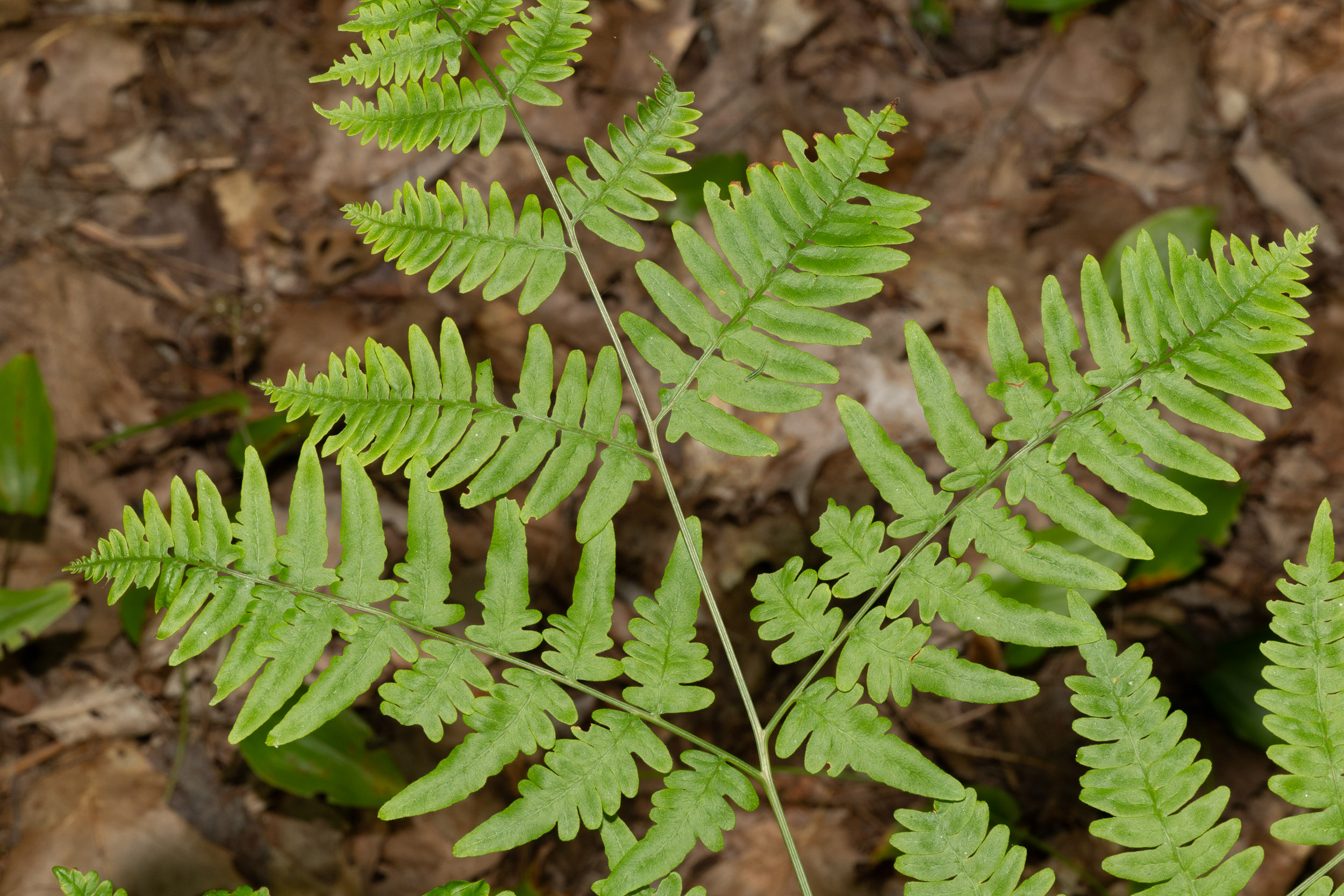
8/4/2025 · Tarbox Preserve, Topsham, Maine · ≈ 11 × 8″ (28 × 19 cm) 

6/21/2025 · Hawk Mountain, Waterford, Maine · ≈ 1½ × 1′ (56 × 37 cm) 

5/20/2012 · J. Harry Rich State Forest, Groton, Massachusetts · ≈ 14 × 9″ (35 × 23 cm) 

I don't know the pathogen. · 8/16/2012 · Otter River State Forest, Nature Trail, Baldwinville, Massachusetts · ≈ 7 × 4½″ (17 × 11 cm) 

5/21/2023 · Merrymeeting Fields Preserve, Woolwich, Maine 

9/14/2009 · Near Nashoba Hospital, Ayer, Massachusetts · ≈ 1½ × 1′ (52 × 34 cm) ID is uncertain 

5/12/2021 · Weber-Kelly Preserve, Georgetown, Maine · ≈ 4 × 5″ (11 × 13 cm) ID is uncertain 

8/4/2025 · Tarbox Preserve, Topsham, Maine · ≈ 11 × 8″ (28 × 19 cm) 

5/21/2023 · Merrymeeting Fields Preserve, Woolwich, Maine 

6/2/2014 · Big Bear Mountain, Brookline, Massachusetts · ≈ 12 × 8″ (31 × 21 cm) 

6/2/2014 · Big Bear Mountain, Brookline, Massachusetts · ≈ 12 × 8″ (31 × 21 cm) 

5/12/2021 · Weber-Kelly Preserve, Georgetown, Maine · ≈ 4 × 3″ (11 × 8 cm) ID is uncertain 
| Kingdom | Plantae | Plants, but not fungi, lichens, or algae (from Stearn's Botanical Latin) |
| Subkingdom | Tracheobionta | Vascular plants—plants with a “circulatory system” for delivering water and nutrients |
| Division | Pteridophyta | Ferns |
| Class | Filicopsida | “Leptosporangiate” (has to do with how their spores form) ferns—includes most ferns |
| Order | Polypodiales | Polypod ferns |
| Family | Dennstaedtiaceae | After August William Dennstedt (1776-1826), German physician and botanist, burgomaster of Magdala, director of the Belvedere garden near Weimar, and author of a work entitled Hortus Belvedereanus, a compilation of some 1500 plants. I have no information as to why the family name is spelled differently than his name |
| Genus | Pteridium | A diminutive of Pteris, a fern genus |
| Species | aquilinum | From aquila, “eagle,” and the suffix ium, “characteristic of,” hence indicating a connection or resemblance |

Pteridium aquilinum description by Thomas H. Kent, not updated.

© FloraFinder.org. All rights reserved.