Rhizophora mangle L.
Red mangrove
Red mangrove is native to tropical and subtropical coastal zones throughout the world. “Red” is believed to be for the color of the wood under the bark. Red, black, and white mangroves tend to occur together, with the red mangroves closest to the water, black between, and white further inland. These species are not closely related, but they evolved to thrive in similar saline habitats.
Plants: A shrub or tree 9½–23′ (3–7 m) tall, rarely reaching up to 79′ (24 m). Mature bark is gray and furrowed. Numerous prop roots (rhizophores) hang from the trunk and lower branches, helping to stabilize the plant, provide aeration, and exude excess salt.
Leaves: Opposite, simple, obovate to elliptic. Margins are smooth and rolled under. Leaves are thick, leathery, and 2½–5 ⨉ ⅜–1¼″ (6.5–12 ⨉ 1–3.5 cm) in size.
Flowers: Small and pale yellow, present year round.
Fruits: Called propagules, seeds in the fruits become fully mature before dropping to water, where they float to new locations. Fruits resemble green beans, and are 1–2″ (2.5–5 cm) long.
Habitats: Coastal zones in tropical and subtropical regions.
 |
Red, black, white, and button mangroves. |
Online References:
References:
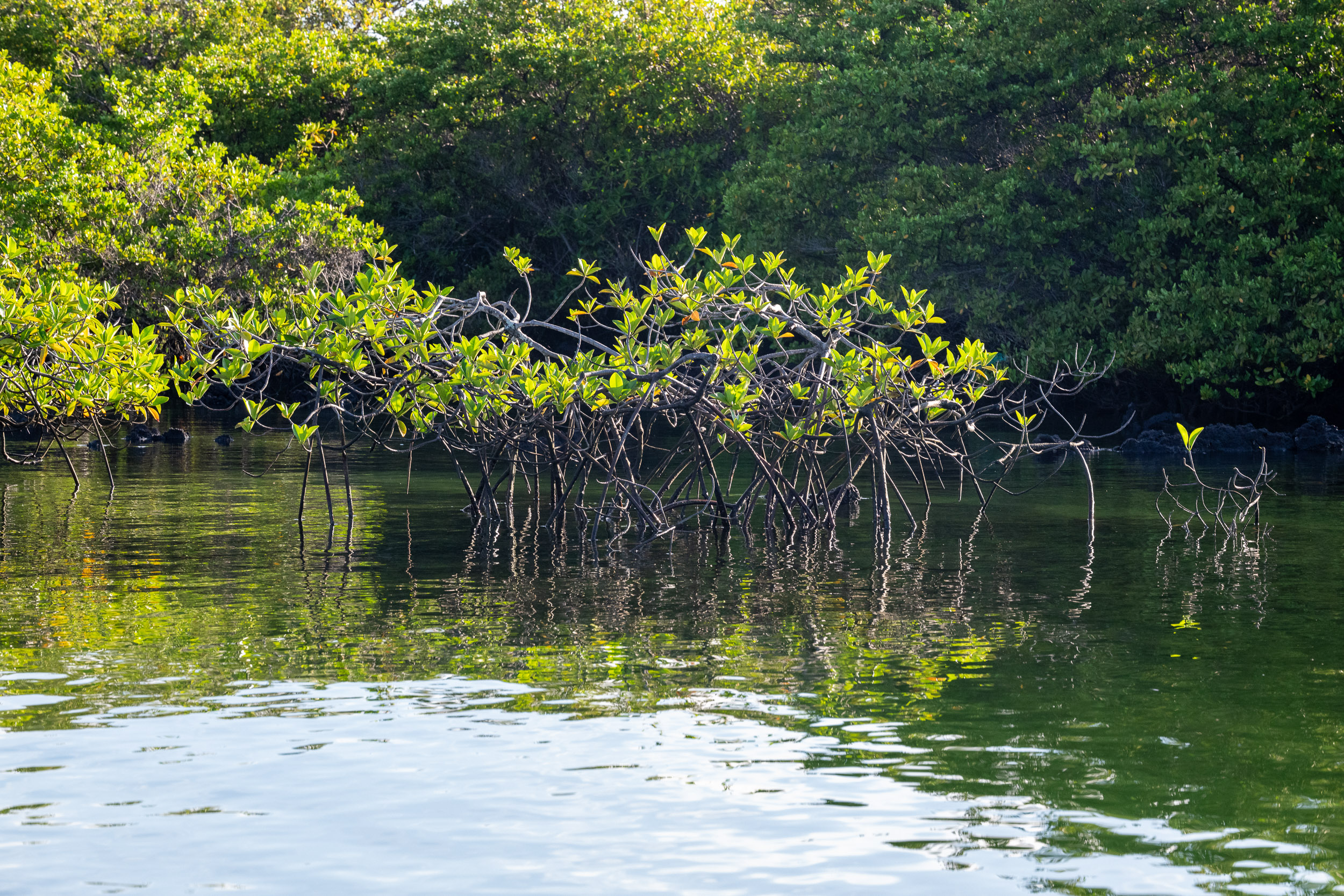
4/1/2025 · Elizabeth Bay Mangrove Lagoon, Isabella, Galápagos Islands, Ecuador 
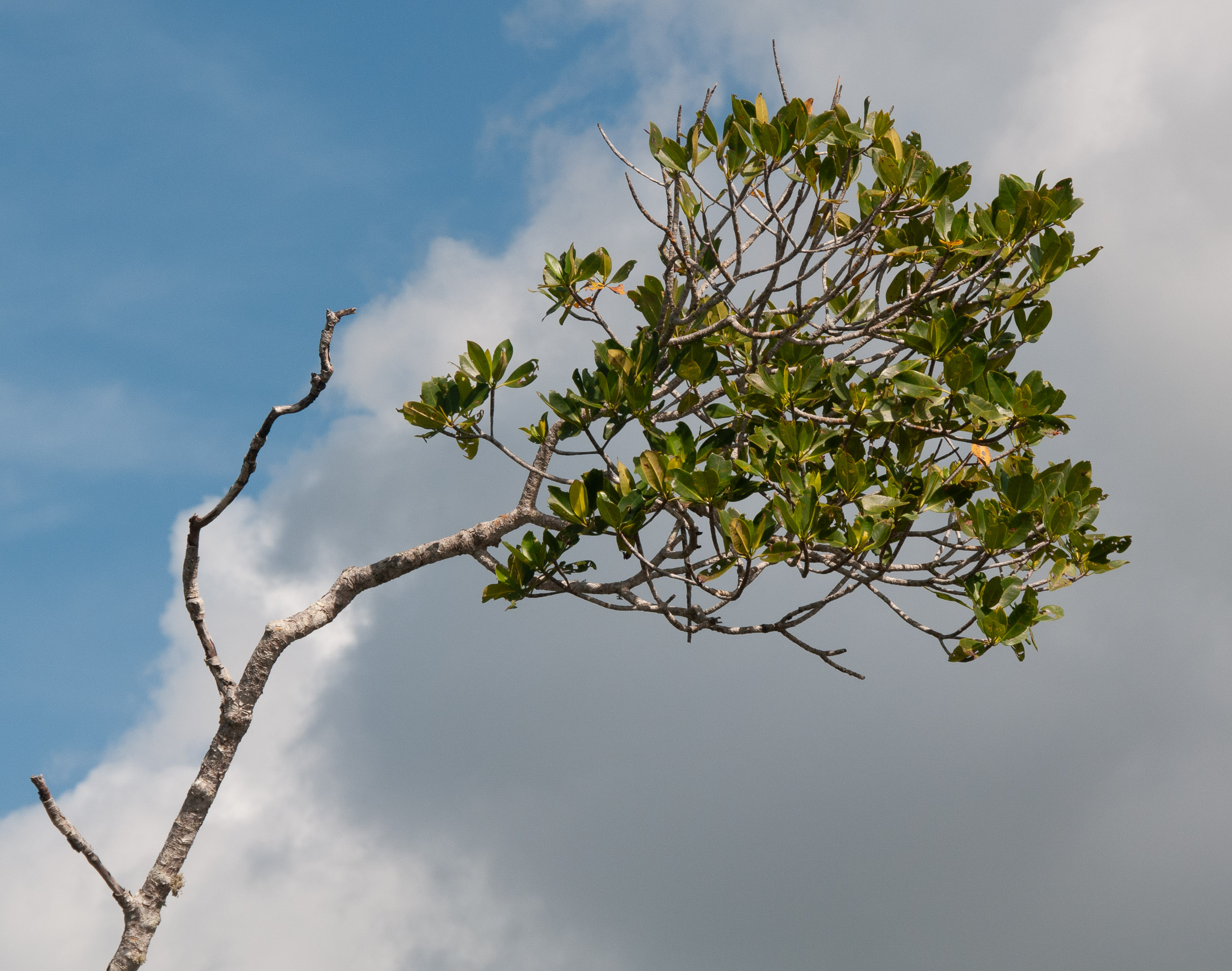
4/10/2015 · Gulf Coast Visitor Center, Everglades National Park, Everglades City, Florida 
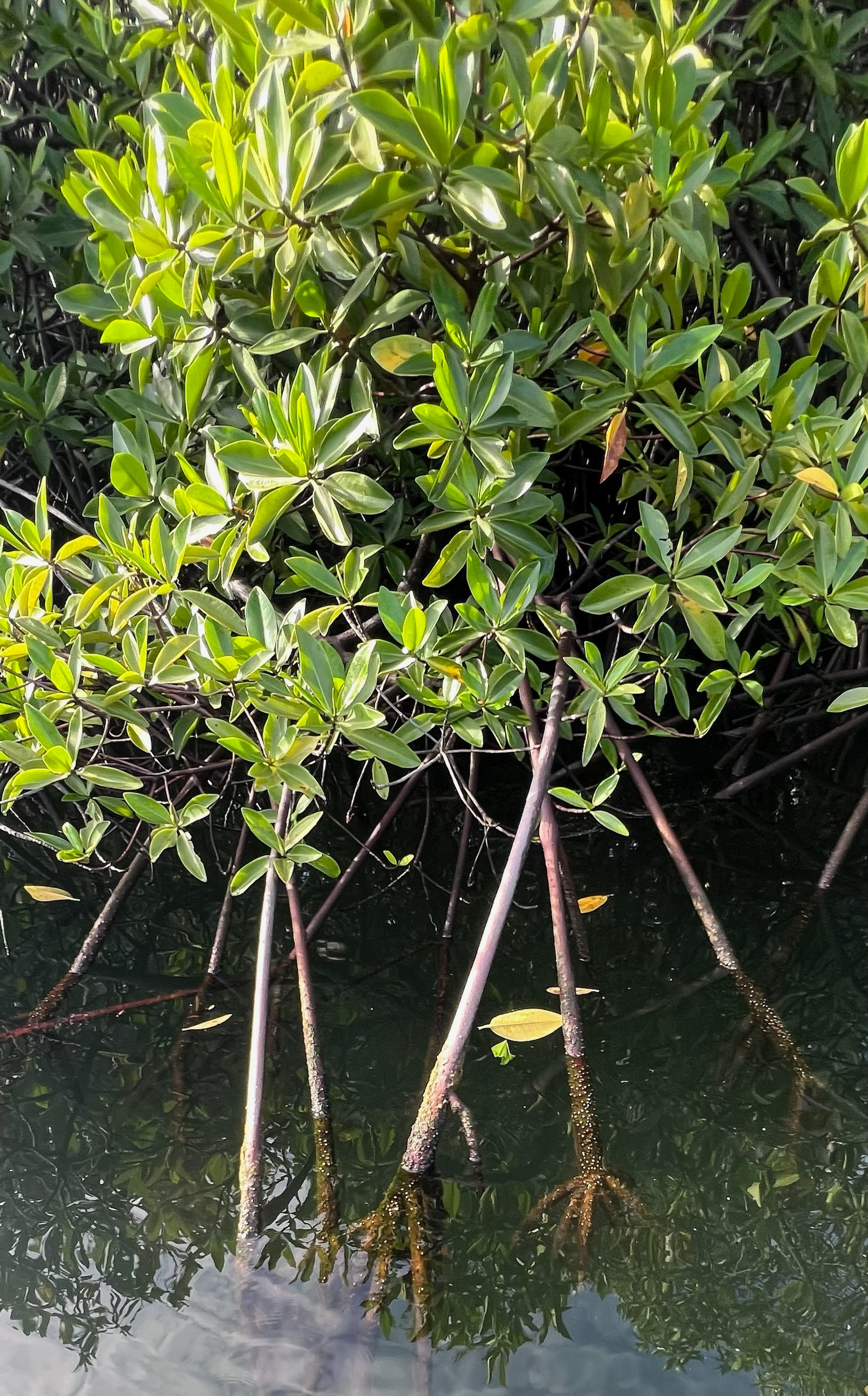
4/1/2025 · Elizabeth Bay Mangrove Lagoon, Isabela Island, Galápagos Islands, Ecuador · By Heather Kent 

4/1/2025 · Elizabeth Bay Mangrove Lagoon, Isabella, Galápagos Islands, Ecuador 

4/13/2015 · Coot Bay Pond, Everglades National Park, Florida 
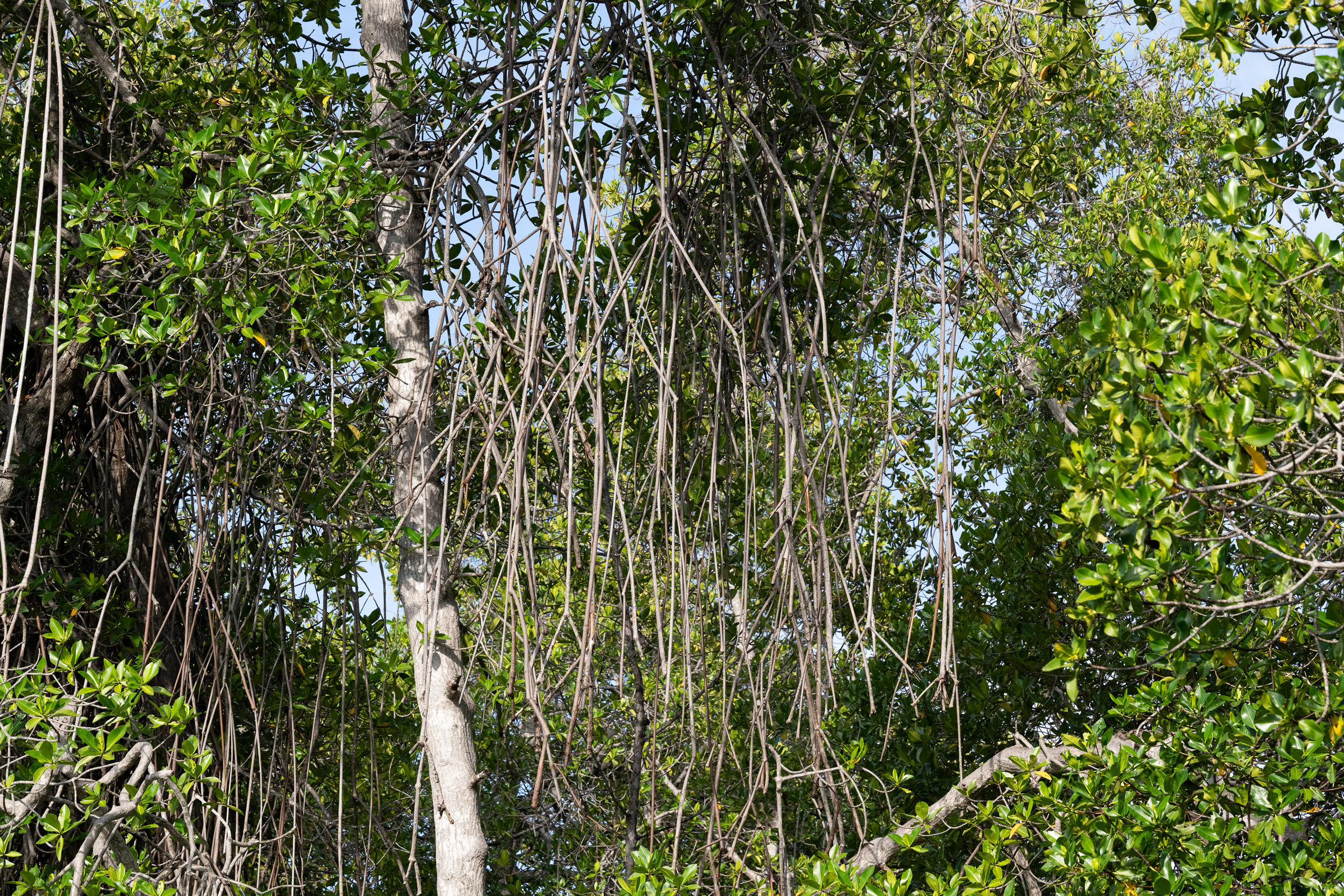
4/1/2025 · Elizabeth Bay Mangrove Lagoon, Isabella, Galápagos Islands, Ecuador 

4/10/2015 · Gulf Coast Visitor Center, Everglades National Park, Everglades City, Florida 

4/1/2025 · Elizabeth Bay Mangrove Lagoon, Isabella, Galápagos Islands, Ecuador 
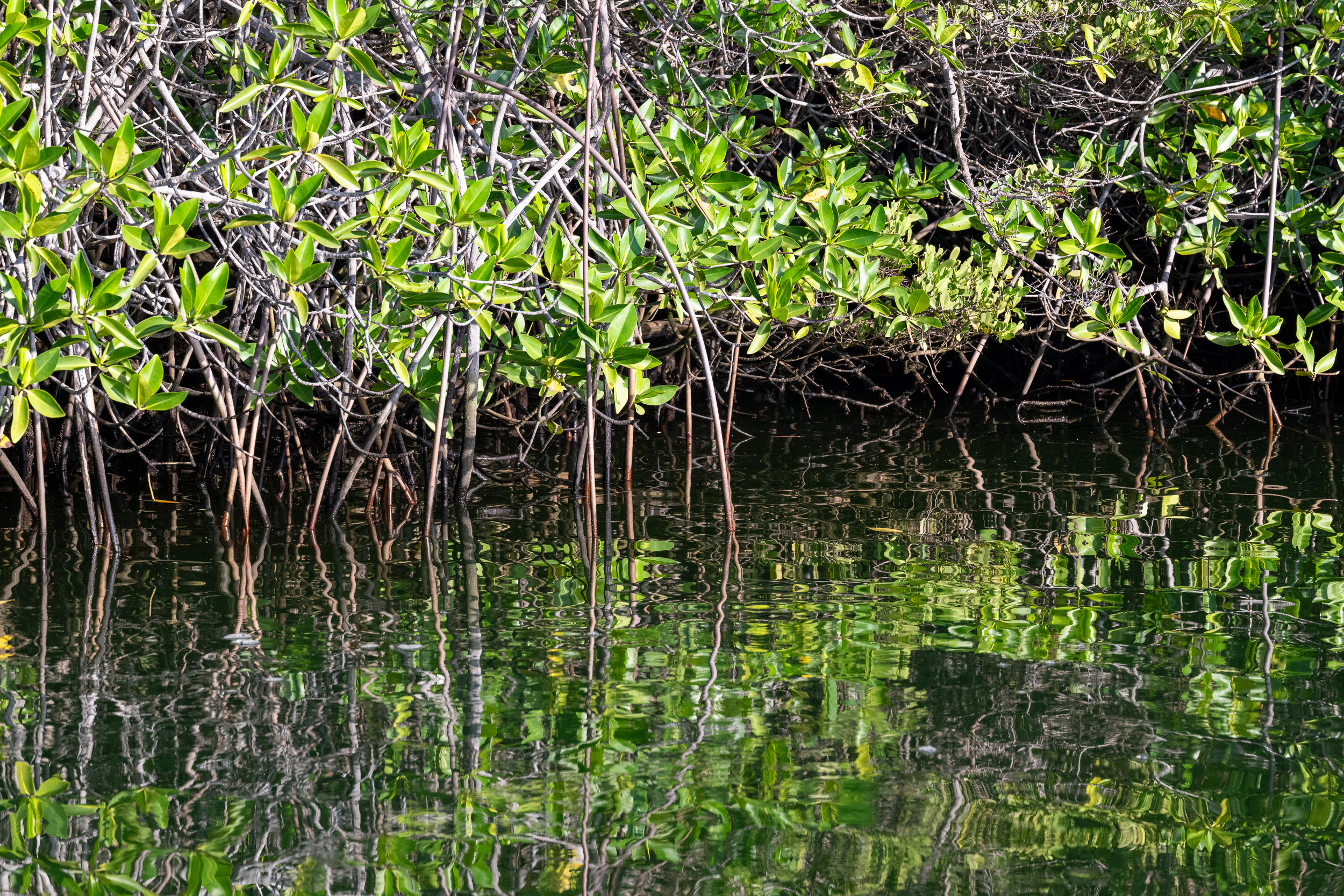
4/1/2025 · Elizabeth Bay Mangrove Lagoon, Isabella, Galápagos Islands, Ecuador 
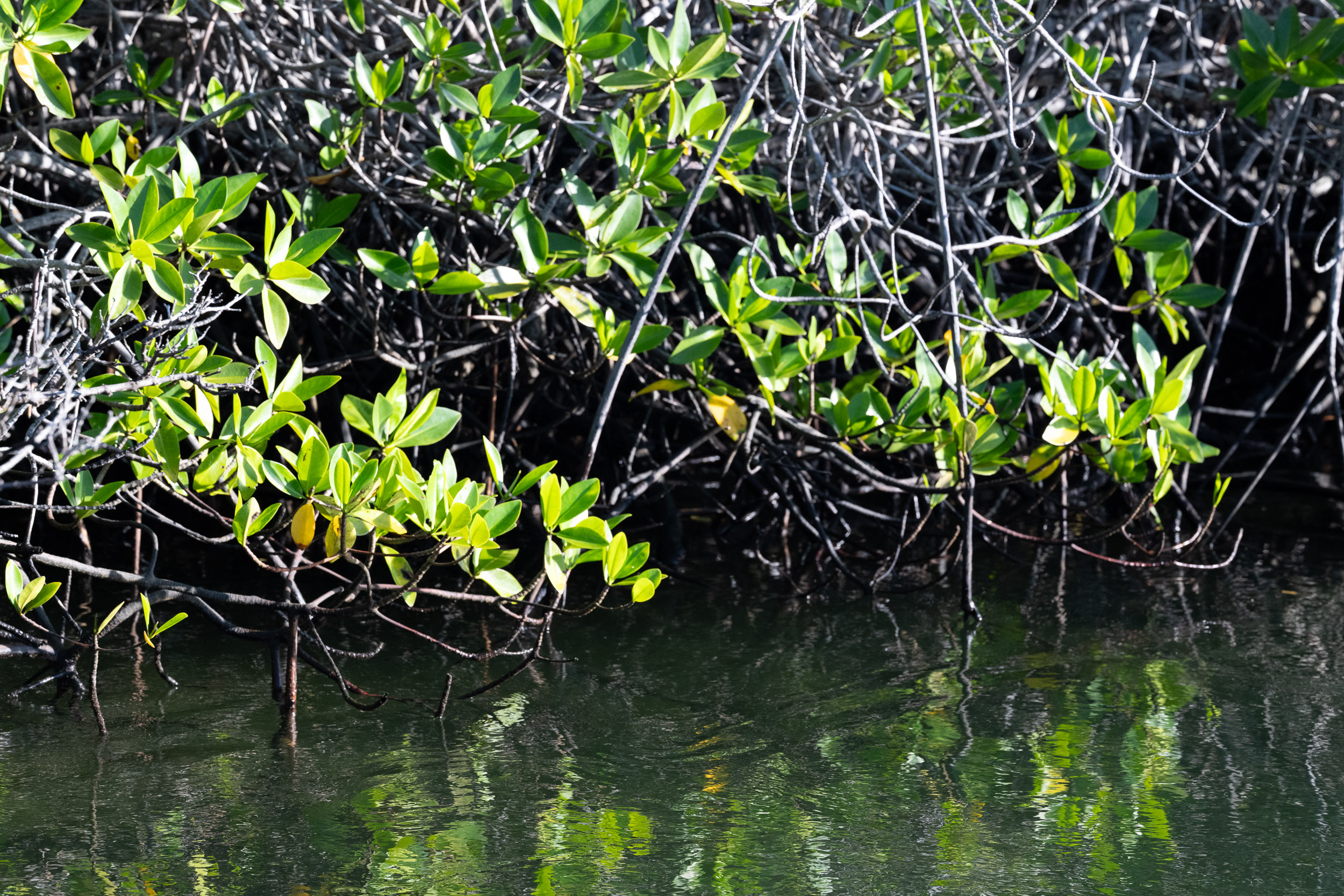
4/1/2025 · Elizabeth Bay Mangrove Lagoon, Isabella, Galápagos Islands, Ecuador 
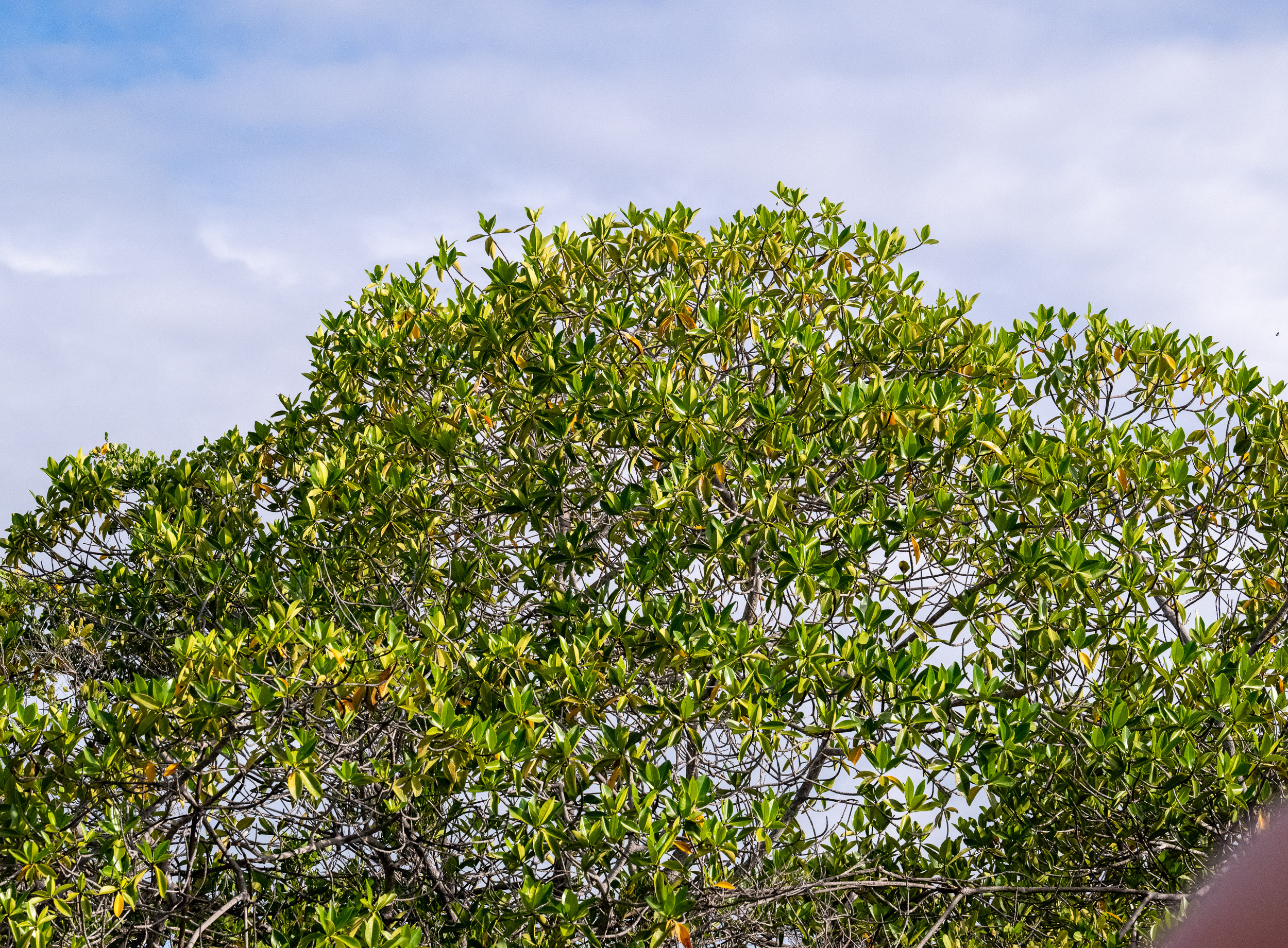
4/1/2025 · Elizabeth Bay Mangrove Lagoon, Isabella, Galápagos Islands, Ecuador 

4/10/2015 · Gulf Coast Visitor Center, Everglades National Park, Everglades City, Florida 
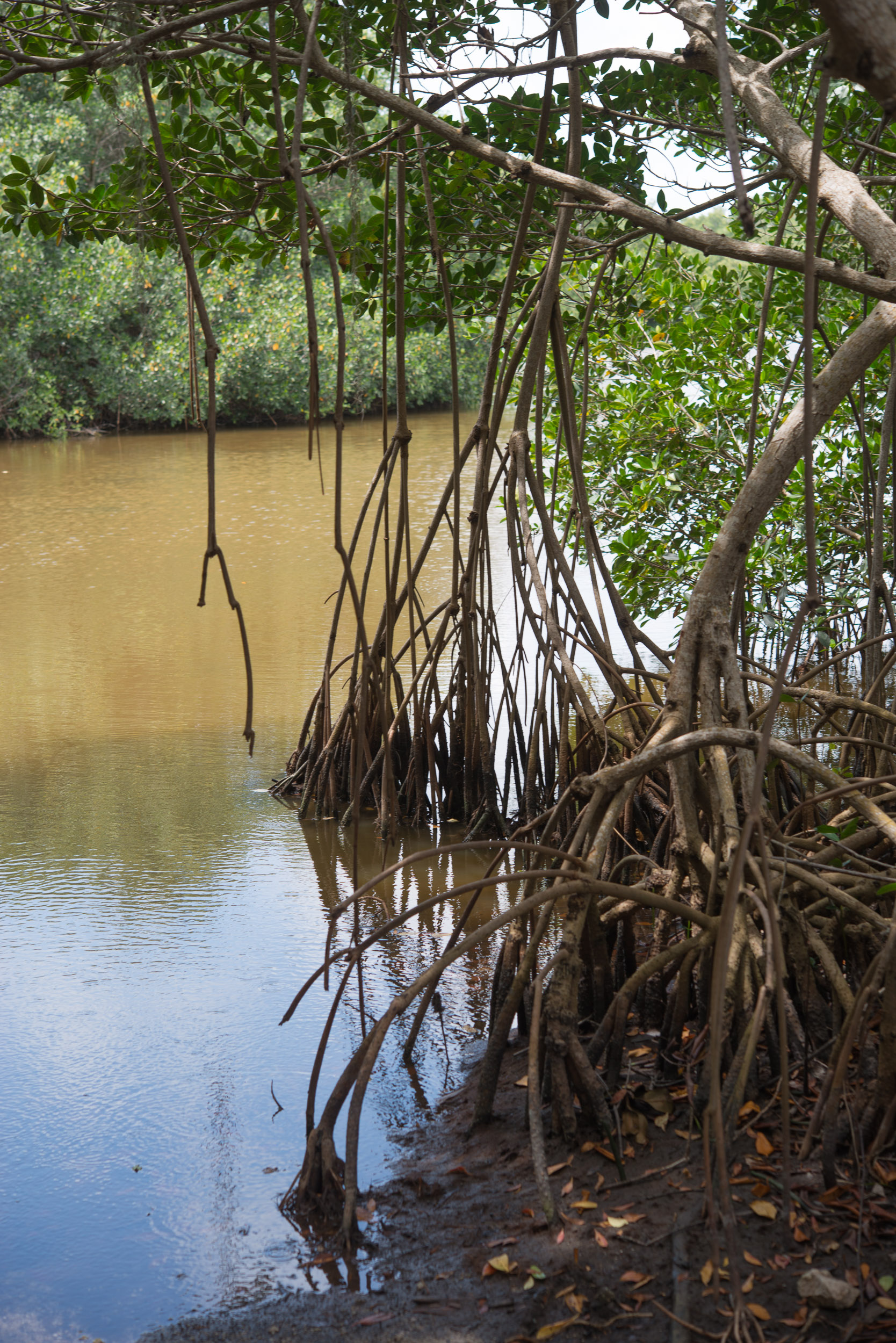
4/13/2015 · Coot Bay Pond, Everglades National Park, Florida 

4/10/2015 · Gulf Coast Visitor Center, Everglades National Park, Everglades City, Florida 
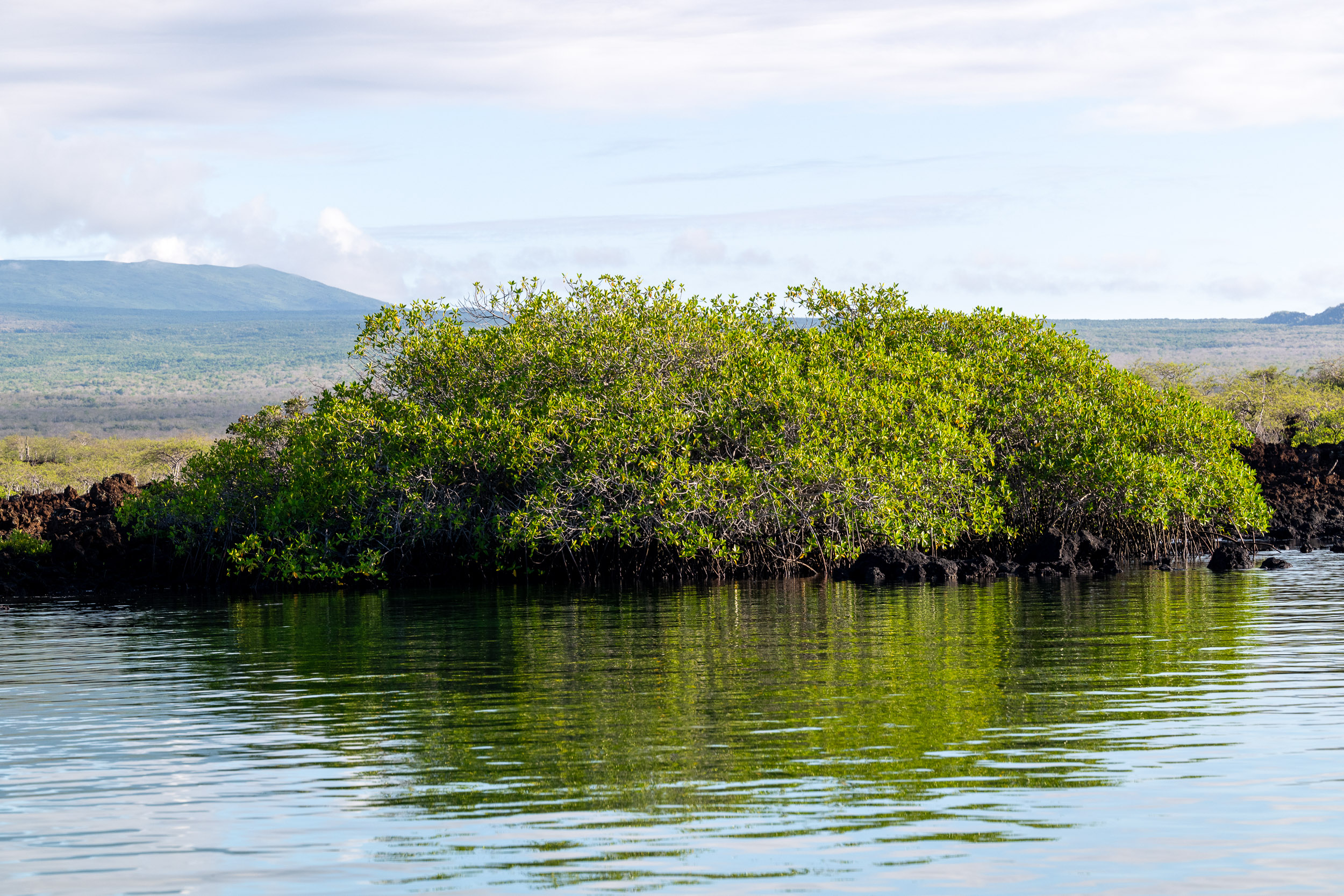
4/1/2025 · Elizabeth Bay Mangrove Lagoon, Isabella, Galápagos Islands, Ecuador 

4/10/2015 · Gulf Coast Visitor Center, Everglades National Park, Everglades City, Florida 

4/10/2015 · Gulf Coast Visitor Center, Everglades National Park, Everglades City, Florida 

4/10/2015 · Gulf Coast Visitor Center, Everglades National Park, Everglades City, Florida 
| Kingdom | Plantae | Plants, but not fungi, lichens, or algae (from Stearn's Botanical Latin) |
| Subkingdom | Tracheobionta | Vascular plants—plants with a “circulatory system” for delivering water and nutrients |
| Division | Magnoliophyta | Flowering plants, also known as angiosperms |
| Class | Magnoliopsida | Dicotyledons—plants with two initial seed leaves |
| Subclass | Rosidae | Roses, legumes, proteas, dogwoods, hydrangeas, mistletoes, euphorbias, grapes, many more |
| Order | Malpighiales | A broad group encompassing 16,000 species |
| Family | Rhizophoraceae | 147 tropical or subtropical plants, including mangroves |
| Genus | Rhizophora | From the Greek ριζα, (rhiza), “root,” and φορος (phoros), ”bearing,” referring to the stilt-roots |
| Species | mangle | Spanish for “thicket” |

Rhizophora mangle description by Thomas H. Kent, not updated.

© FloraFinder.org. All rights reserved.