Geranium maculatum L.
Wild geranium, spotted geranium, wood geranium
Wild geranium is native to northeastern North America.
Plants: Plants are 1–2½′ (30–76 cm) in size, usually unbranched. They are quite often found in dense colonies.
Leaves: There are two levels of leaves. A loose cluster of basal leaves, more or less obscured by foliage above, and opposite pairs of leaves on the lower part of each stem. Leaves are hairy and palmate: deeply divided into three or five sections, each of which are once again divided. Each division is toothed. Their overall size is 4–5″ (10–12 cm), on a long hairy petiole (stem) up to 12″ (30 cm).
Flowers: Flowers are attractive, pale to deep pink, lilac, or rarely white, ⅞–1½″ (2.5–4 cm) in diameter, with 5 petals and 10 yellow-tipped stamens. They appear in loose corymbs or umbels of 2-5, flowering from April to May.
Fruits: Each fruit is a capsule with five cells, each containing a seed joined to a long beak-like column ¾–1″ (2–3 cm). The common name cranesbill derives from the seed’s resemblance to a crane’s bill. As the capsule matures, it dries out, finally snapping open to fling seeds.
Habitats: Damp but well-drained soils, appearing in forests and also in full sun if there is ample moisture.
Online References:
References:
Clemants, Steven; Gracie, Carol, Wildflowers in the Field and Forest, Oxford University Press, 2006, p. 124

5/14/2012 · Acton Arboretum, Acton, Massachusetts · ≈ 11 × 7″ (27 × 18 cm) 

5/28/2015 · Bates Land and Blackman Land, Groton Conservation Trust, Groton, Massachusetts · ≈ 6 × 5″ (14 × 12 cm) 

6/1/2013 · Beaver Brook Conservation Area, Hollis, New Hampshire · ≈ 6 × 4½″ (16 × 11 cm) 

9/14/2010 · Garden in the Woods, Framingham, Massachusetts · ≈ 15 × 10″ (39 × 26 cm) 

5/29/2010 · Maine Audubon Gilsland Farm Audubon Center, Falmouth, Maine · ≈ 9 × 7″ (23 × 16 cm) 
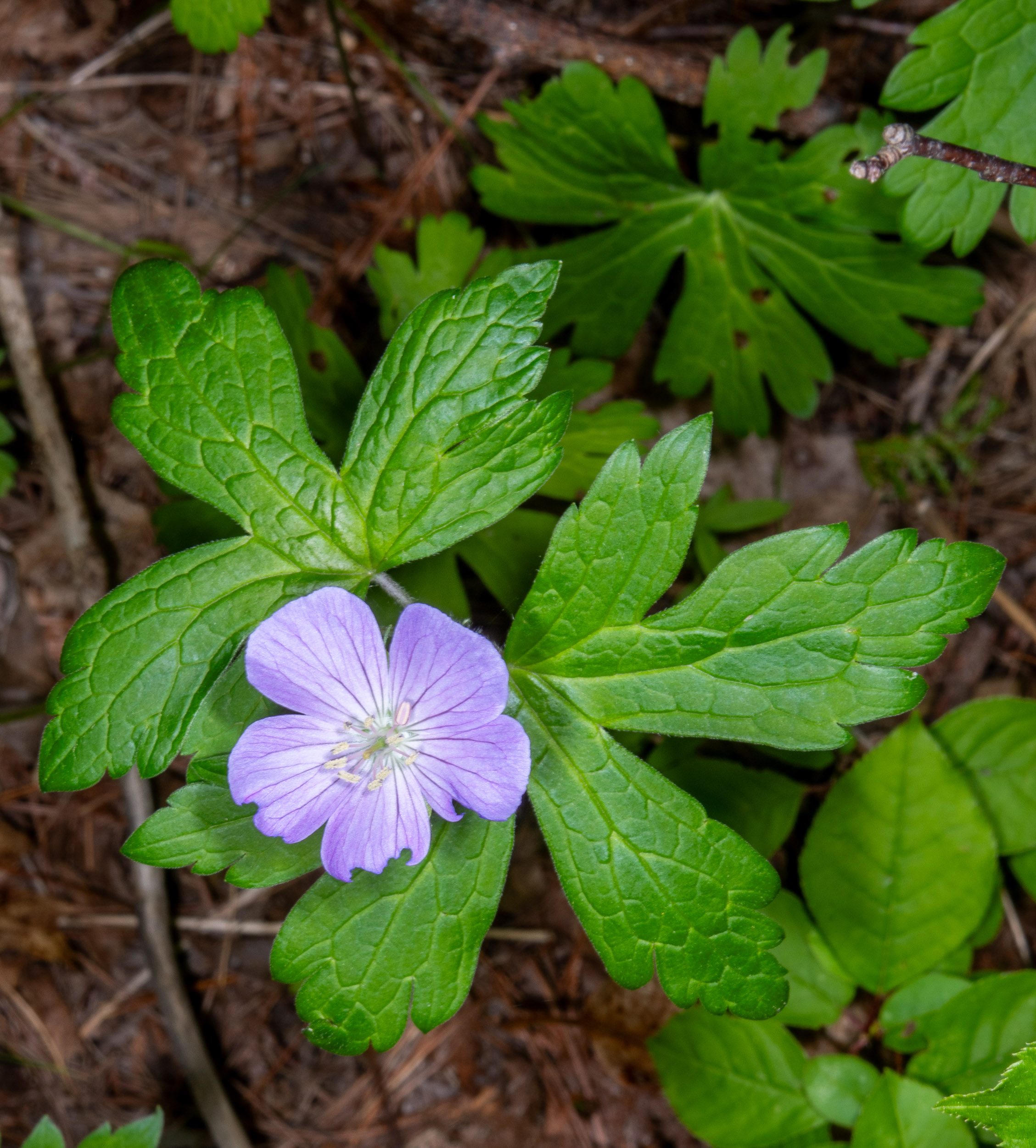
6/3/2025 · Wildes Road Wildlife Management Area, Bowdoinham, Maine · ≈ 5 × 5″ (12 × 13 cm) 

6/3/2025 · Wildes Road Wildlife Management Area, Bowdoinham, Maine · ≈ 5 × 6″ (13 × 15 cm) 

5/28/2017 · Wildflower Trail, Beaver Brook Conservation Area, Hollis, New Hampshire · ≈ 5 × 3½″ (13 × 9.2 cm) 

5/21/2013 · Beaver Brook Conservation Area, Hollis, New Hampshire · ≈ 7 × 4½″ (16 × 12 cm) 
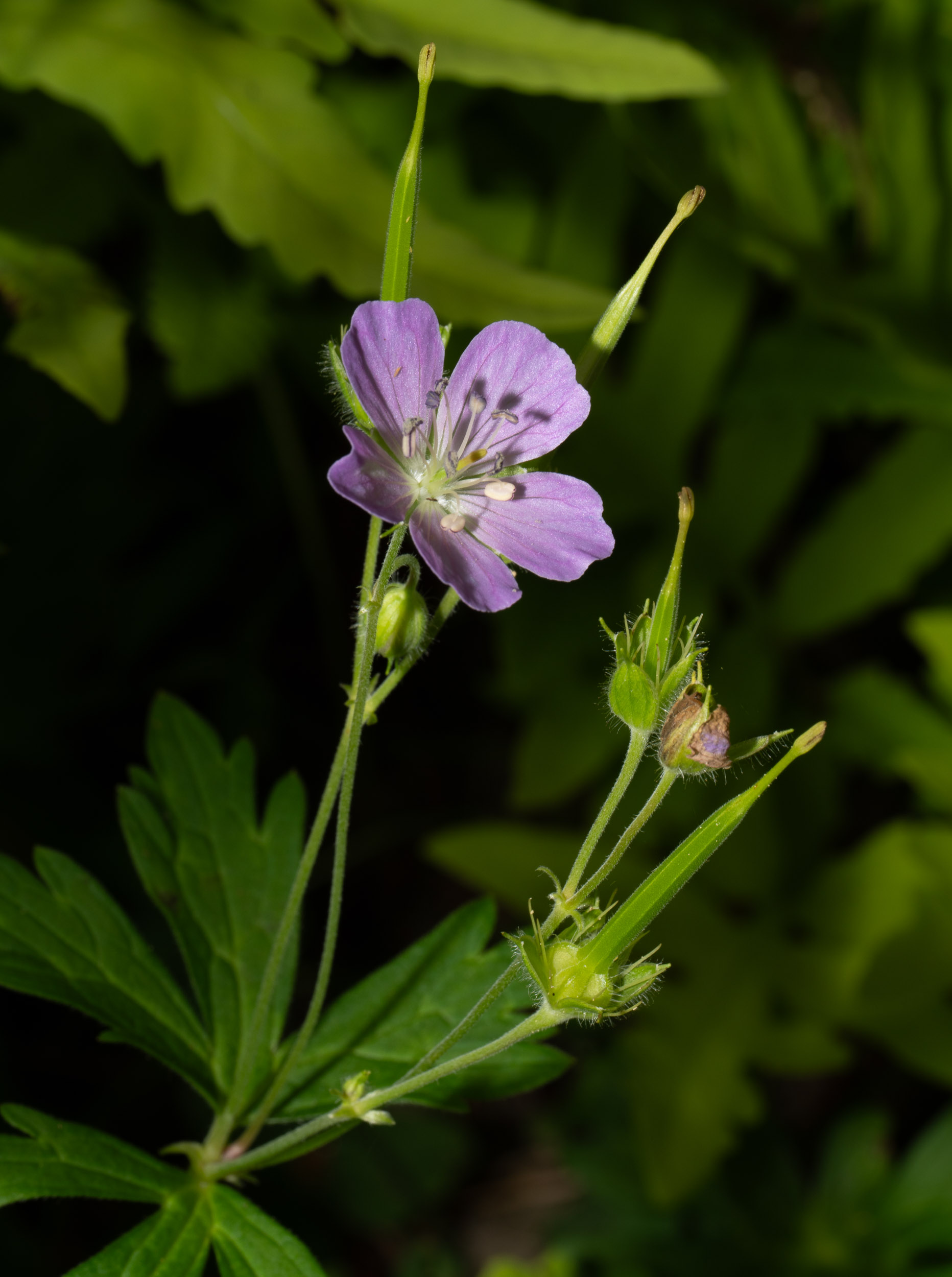
7/25/2025 · River Point Conservation Area, Falmouth, Maine · ≈ 4 × 5″ (10 × 13 cm) 
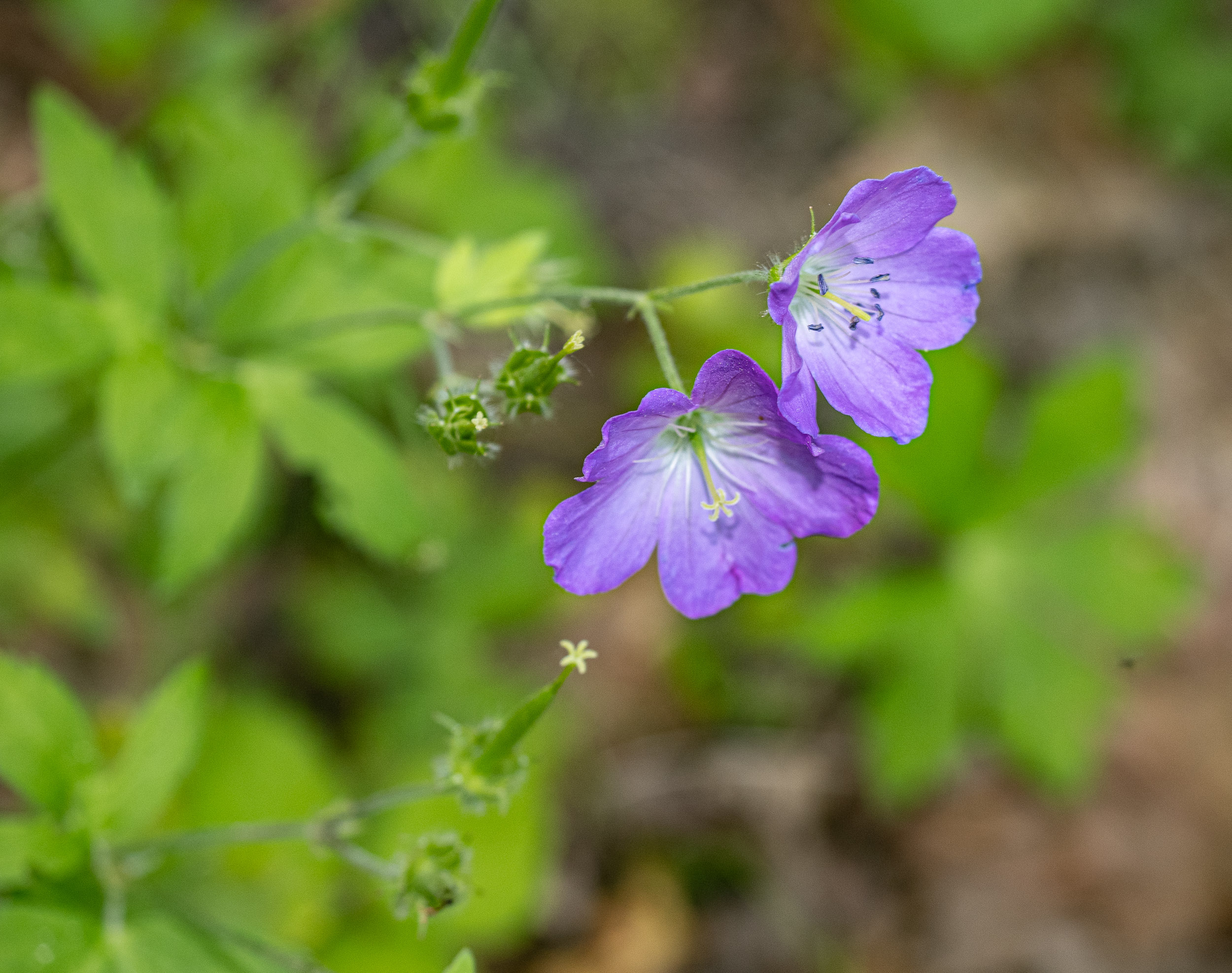
6/13/2025 · River Point Conservation Area, Falmouth, Maine 

9/14/2010 · Garden in the Woods, Framingham, Massachusetts · ≈ 14 × 9″ (35 × 23 cm) 

8/1/2009 · Gordon & Kathy’s, Prospect, Maine · ≈ 1½ × 1′ (50 × 33 cm)  ID is uncertain

5/23/2016 · Wildflower Trail, Beaver Brook Conservation Area, Hollis, New Hampshire 

4/15/1979 · Virginia · By Tim Chandler 

5/29/2010 · Maine Audubon Gilsland Farm Audubon Center, Falmouth, Maine · ≈ 5 × 4½″ (13 × 11 cm) 

5/28/2015 · Bates Land and Blackman Land, Groton Conservation Trust, Groton, Massachusetts · ≈ 9 × 6″ (23 × 16 cm) 

7/25/2025 · River Point Conservation Area, Falmouth, Maine · ≈ 5 × 3½″ (13 × 9 cm) 

6/3/2014 · Bates Land and Blackman Land, Groton Conservation Trust, Groton, Massachusetts · ≈ 8 × 6″ (20 × 14 cm) 

7/20/2004 · Ninilchik, Alaska · By Constance B. Kent 

5/28/2015 · Bates Land and Blackman Land, Groton Conservation Trust, Groton, Massachusetts · ≈ 5 × 4½″ (13 × 11 cm) 
| Kingdom | Plantae | Plants, but not fungi, lichens, or algae (from Stearn's Botanical Latin) |
| Subkingdom | Tracheobionta | Vascular plants—plants with a “circulatory system” for delivering water and nutrients |
| Division | Magnoliophyta | Flowering plants, also known as angiosperms |
| Class | Magnoliopsida | Dicotyledons—plants with two initial seed leaves |
| Subclass | Rosidae | Roses, legumes, proteas, dogwoods, hydrangeas, mistletoes, euphorbias, grapes, many more |
| Order | Geraniales | Balsams, mustards, geraniums, wood sorrels, nasturtiums, others |
| Family | Geraniaceae | Geranium or cranesbill family |
| Genus | Geranium | From the Greek γέρανος, géranos (or γερανός, geranós), “crane,” because some of the fruits resemble a crane’s bill |
| Species | maculatum | Latin for "spotted, blotched" (from Stearn's Botanical Latin) |

Geranium maculatum description by Thomas H. Kent, not updated.

© FloraFinder.org. All rights reserved.