Solidago L.
Goldenrod
Of the hundred or so species of goldenrod known to exist, most are North American natives, with a few from South and Central America, and Eurasia. The genus Solidago means “to make whole or heal,” referring to the medicinal properties these plants were believed to possess—properties that have not been confirmed by medical studies. Goldenrods are perennials, dying back to the ground in the winter. They are fast-growing, robust plants, adapted to a wide range of habitats.
Identification: Goldenrod is so common in New England that it tends to be overlooked, like dandelions, by amateur botanists. Even after I started paying closer attention, it took another year before I began noticing the differences among the species. At first glance, they’re all more or less the same: stiff upright plants 2–4′ (60–121 cm) high, crowned with dense brilliant yellow flowerheads. Actually, they’re often hard to identify even when you do start paying close attention. The goldenrod photos on this page haven’t yet been identified.
Medical: Goldenrod is frequently blamed as the cause of hay fever, but this is not the case: the real culprit is ragweed. A few people develop a contact dermatitis from handling goldenrods, though.
References:
Clemants, Steven; Gracie, Carol, Wildflowers in the Field and Forest, Oxford University Press, 2006, p. 154
 |
Some goldenrods and similar species. |
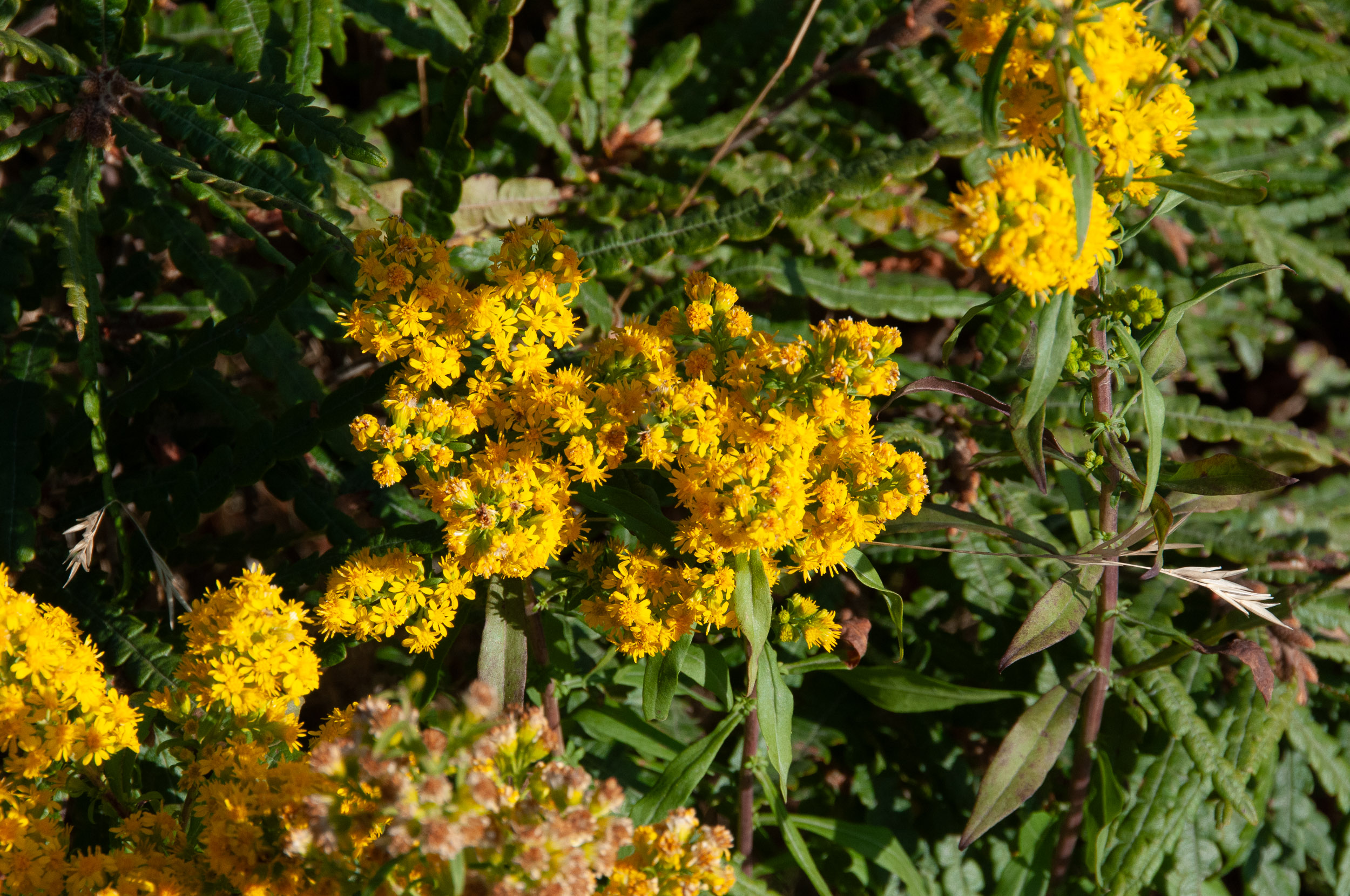
Goldenrod (Solidago) · 9/18/2009 · Acadia National Park, Bar Harbor, Maine · ≈ 8 × 5″ (19 × 13 cm)  Species not yet identified

(Solidago) · The gall is created by Epiblema scudderiana, the goldenrod gall moth · 8/12/2025 · Wildes Wildlife Management Area, Bowdoinham, Maine · ≈ 2½ × 2″ (6.6 × 5.7 cm) 
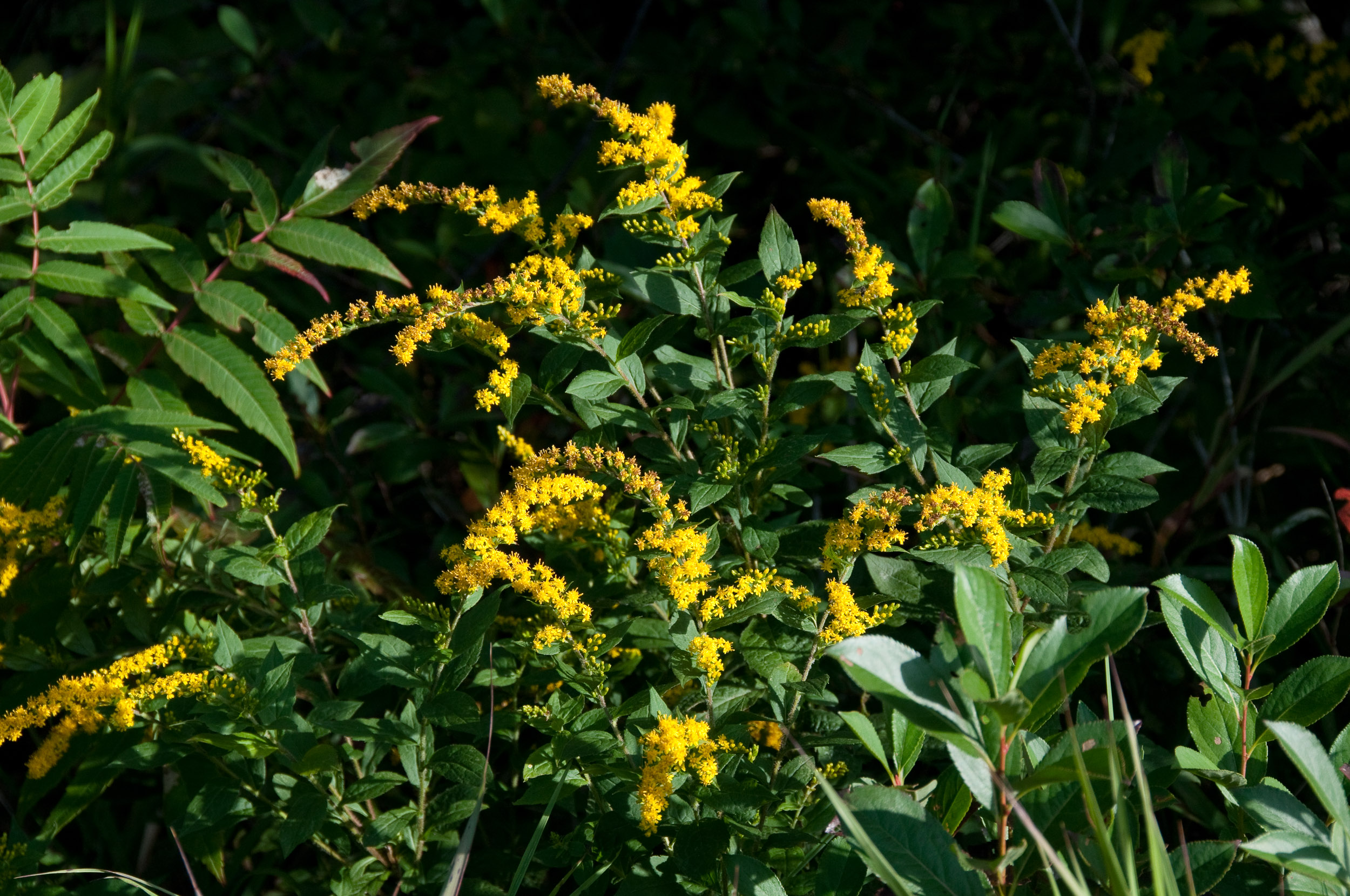
Goldenrod (Solidago) · 9/18/2009 · Acadia National Park, Bar Harbor, Maine Species not yet identified 
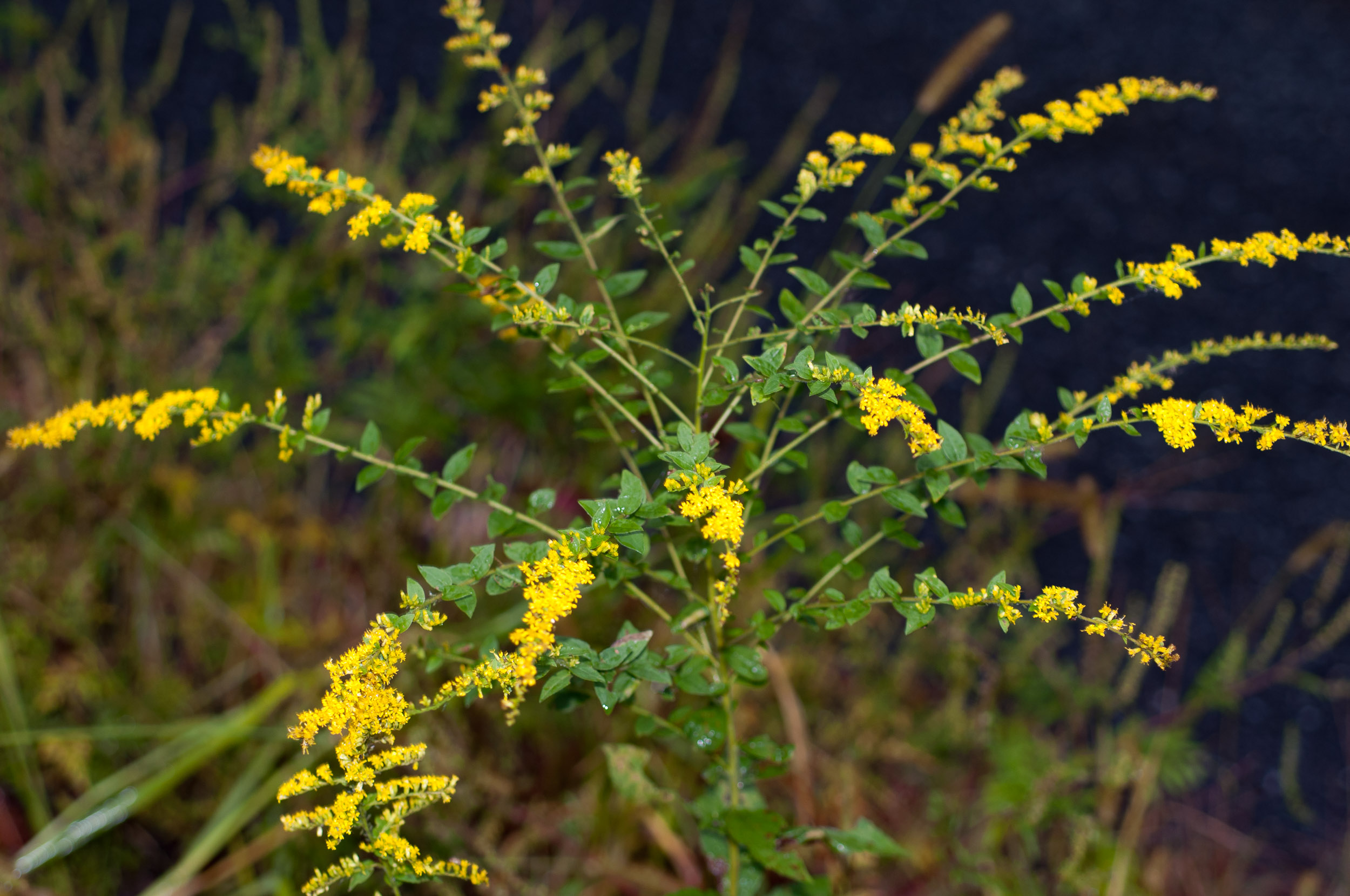
Goldenrod (Solidago) · 9/17/2010 · Nashua River Rail Trail, Groton Center, Groton, Massachusetts · ≈ 1½ × 1′ (52 × 34 cm) Species not yet identified 
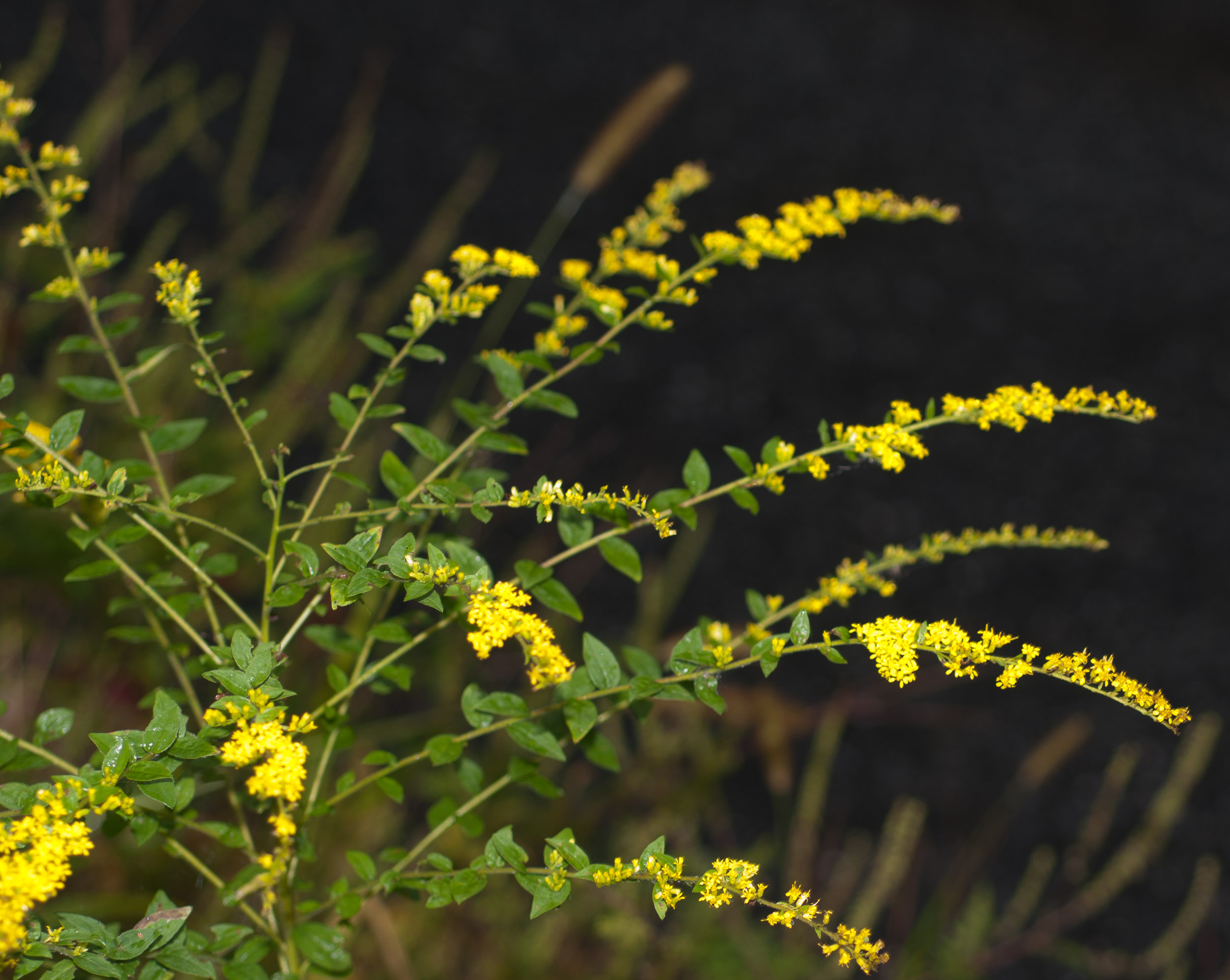
Goldenrod (Solidago) · 9/17/2010 · Nashua River Rail Trail, Groton Center, Groton, Massachusetts · ≈ 1 × 1′ (38 × 30 cm) Species not yet identified 

(Solidago) · The gall is created by Epiblema scudderiana, the goldenrod gall moth · 8/12/2025 · Wildes Wildlife Management Area, Bowdoinham, Maine · ≈ 3½ × 3½″ (8.9 × 9.8 cm) 
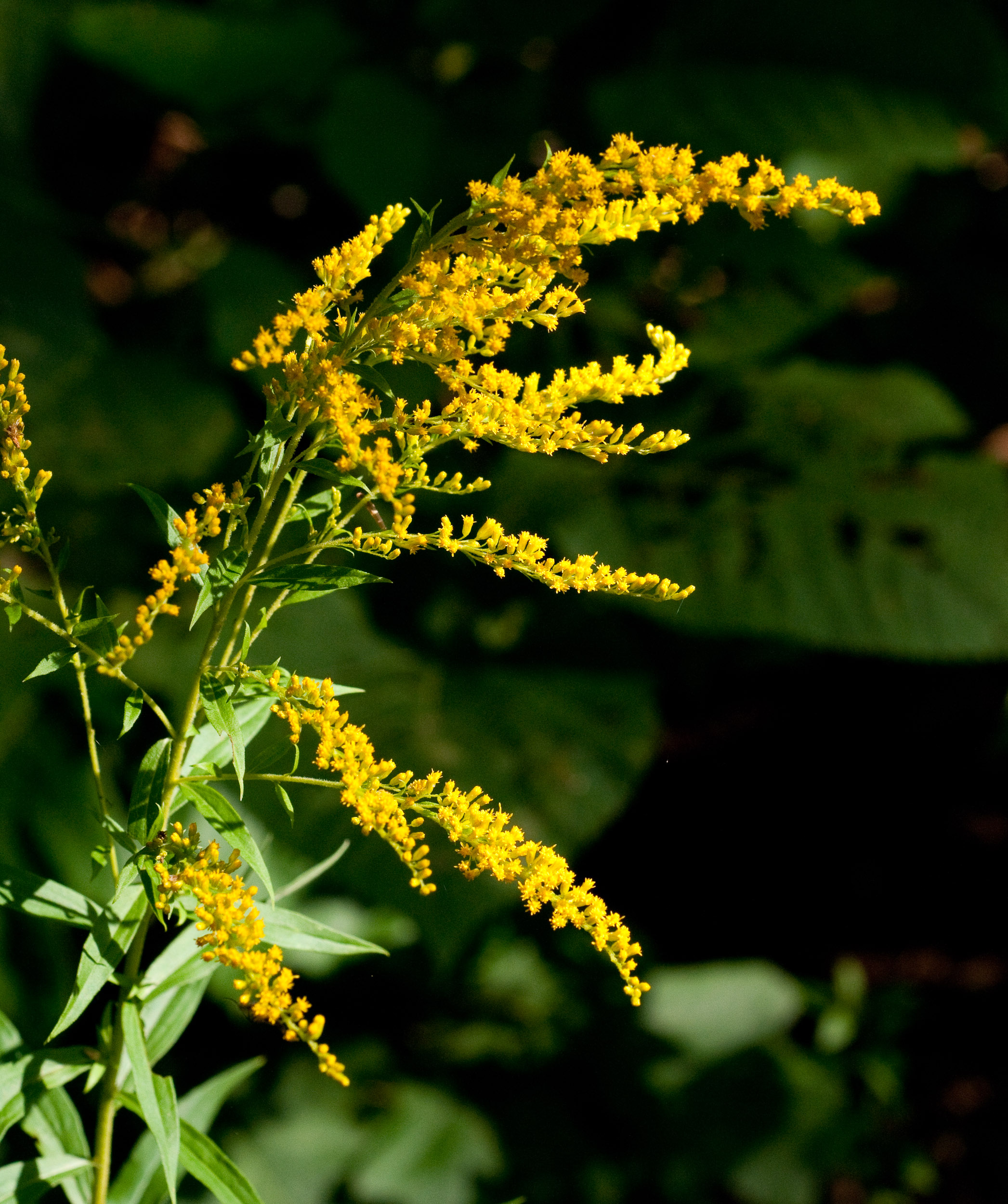
Goldenrod (Solidago) · 8/25/2009 · Nashua River Rail Trail, East Pepperell, Massachusetts · ≈ 7 × 9″ (18 × 22 cm) Species not yet identified 
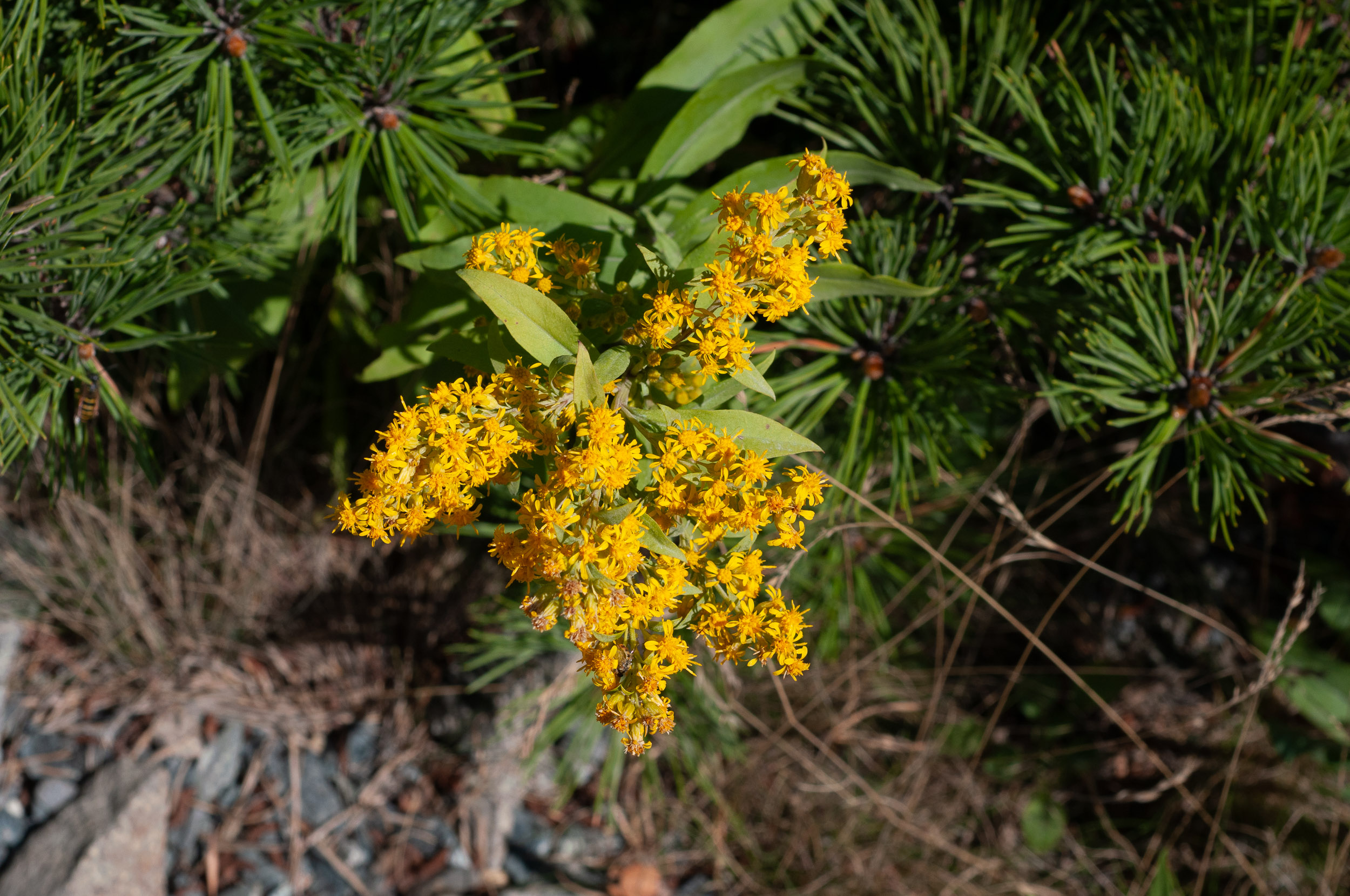
Goldenrod (Solidago) · 9/19/2009 · Acadia National Park, Bar Harbor, Maine · ≈ 12 × 8″ (31 × 20 cm) Species not yet identified 
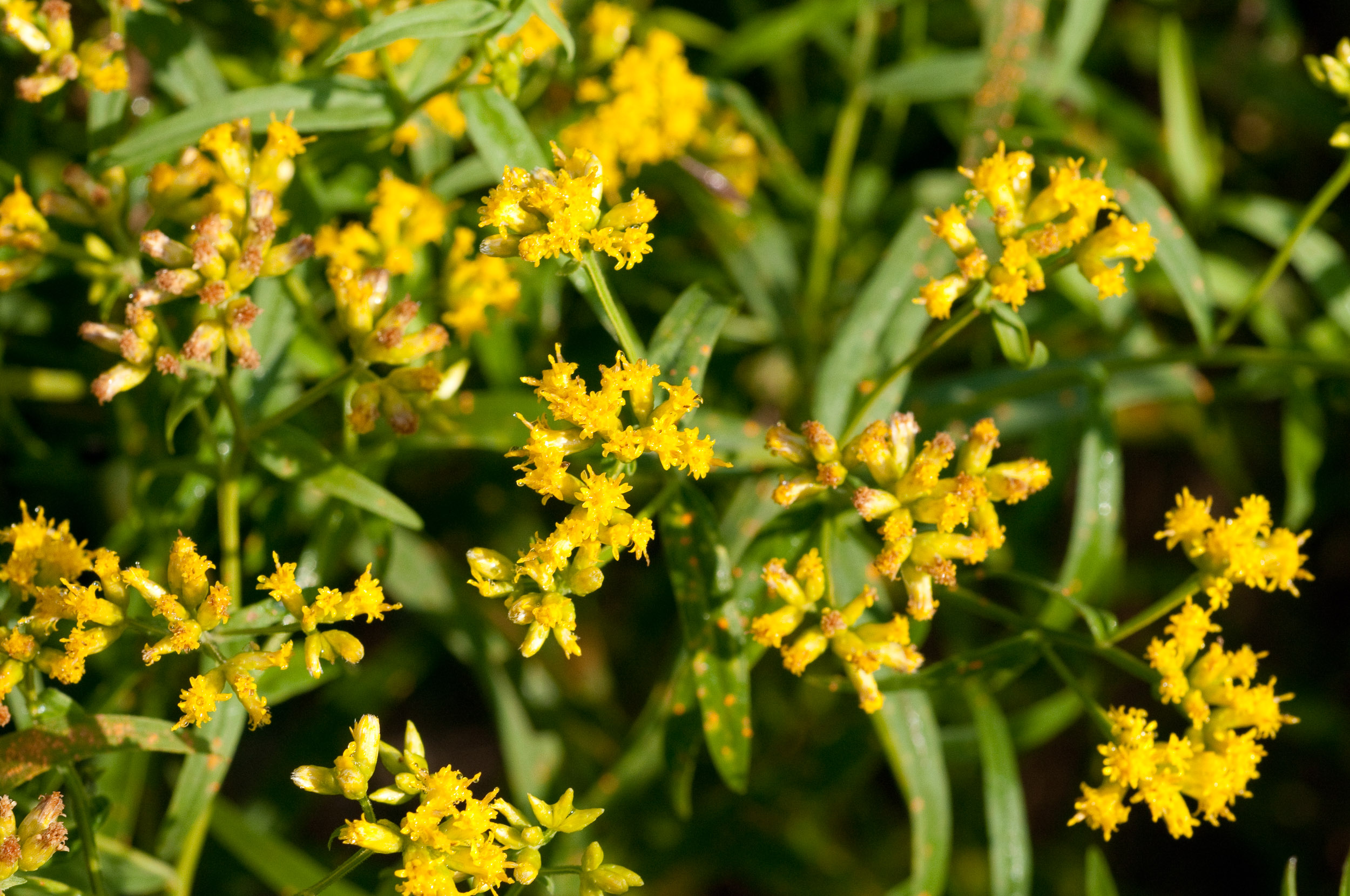
Goldenrod (Solidago) · 9/3/2009 · Nashua River Rail Trail, Ayer, Massachusetts · ≈ 6 × 4″ (15 × 10 cm) Species not yet identified 
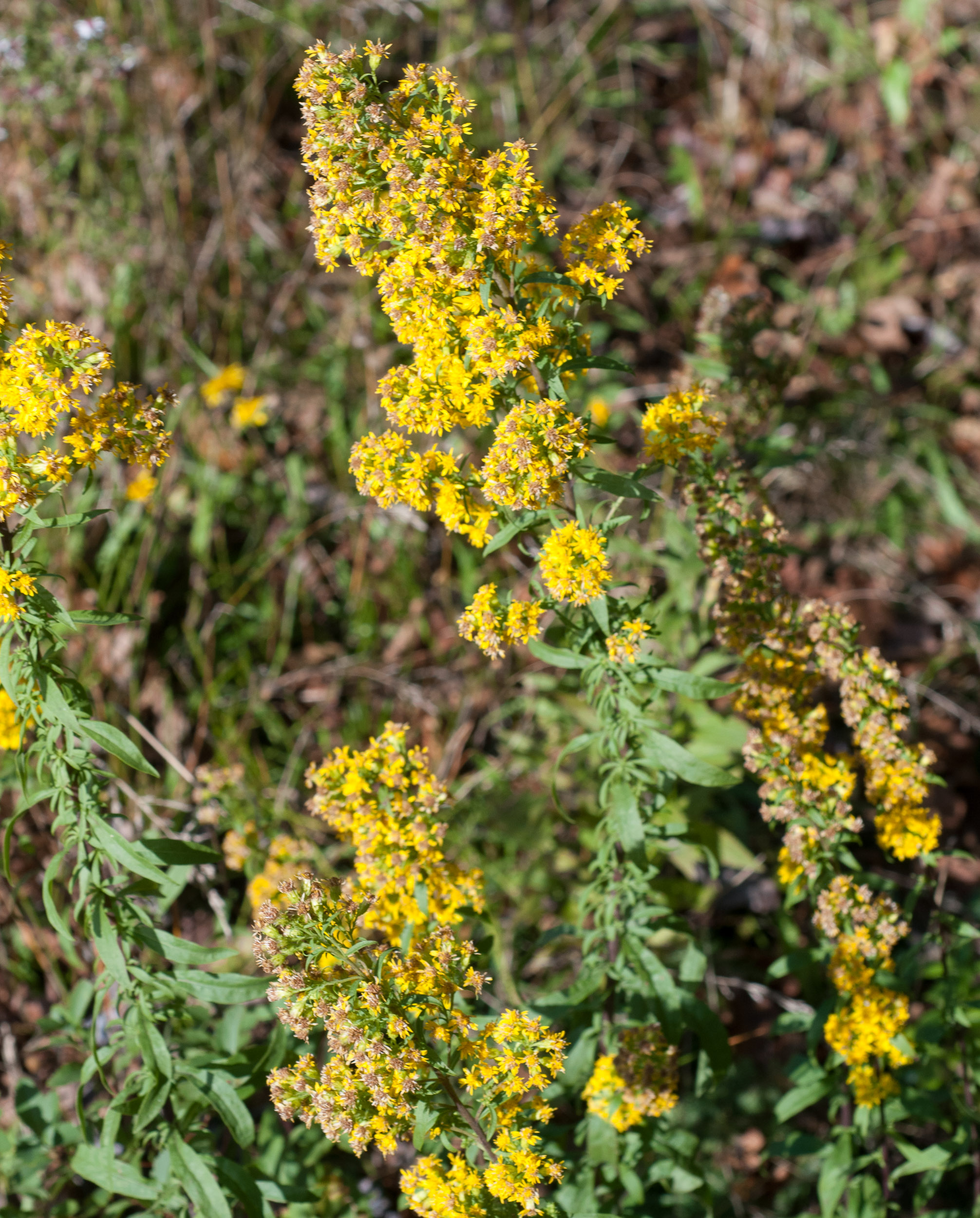
(Solidago) · 10/6/2011 · Pack Monadnock, 2200', Peterborough, New Hampshire · ≈ 12 × 14″ (29 × 36 cm) Species not yet identified 
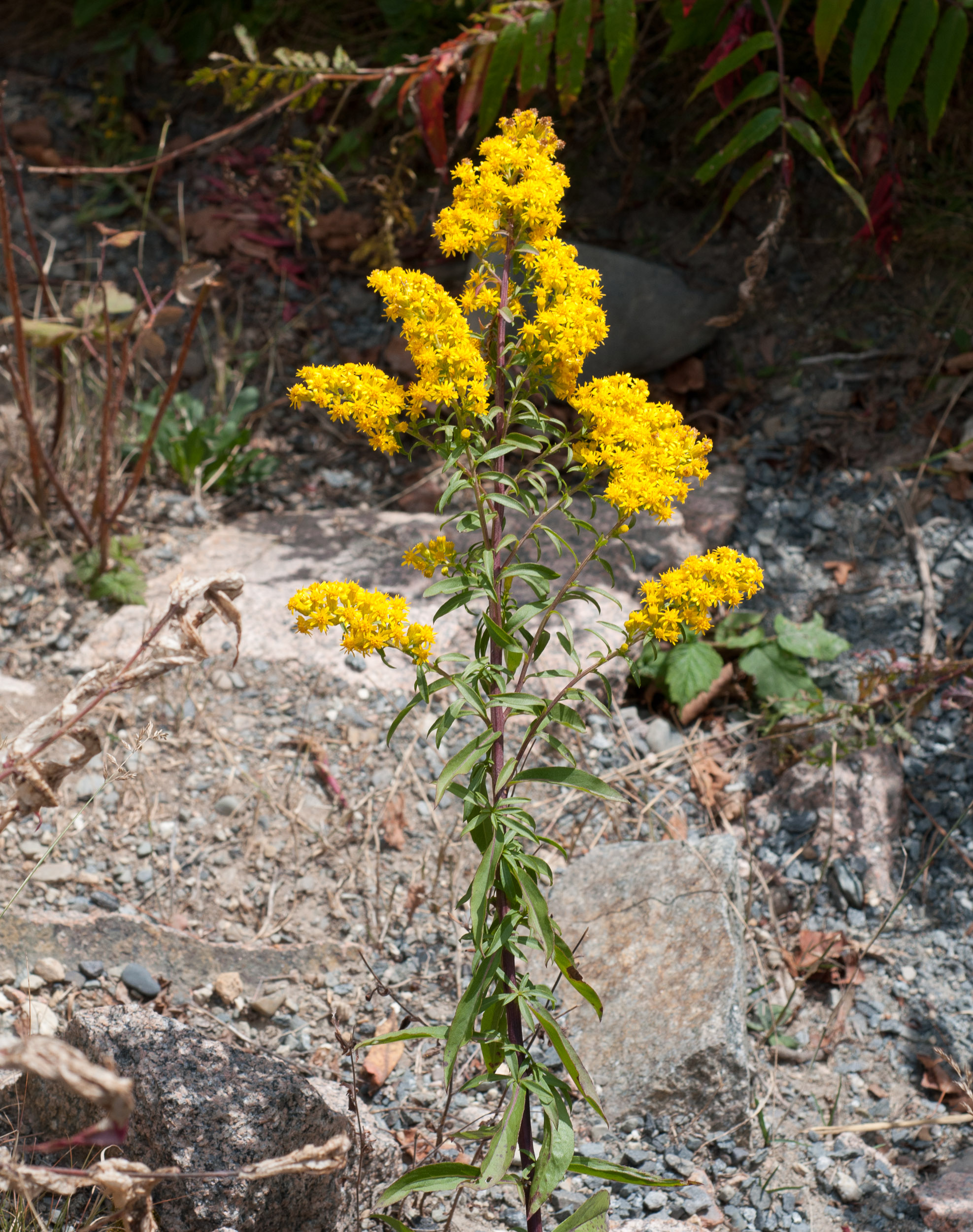
Goldenrod (Solidago) · 9/19/2009 · Acadia National Park, Bar Harbor, Maine · ≈ 1 × 1½′ (41 × 52 cm) Species not yet identified 
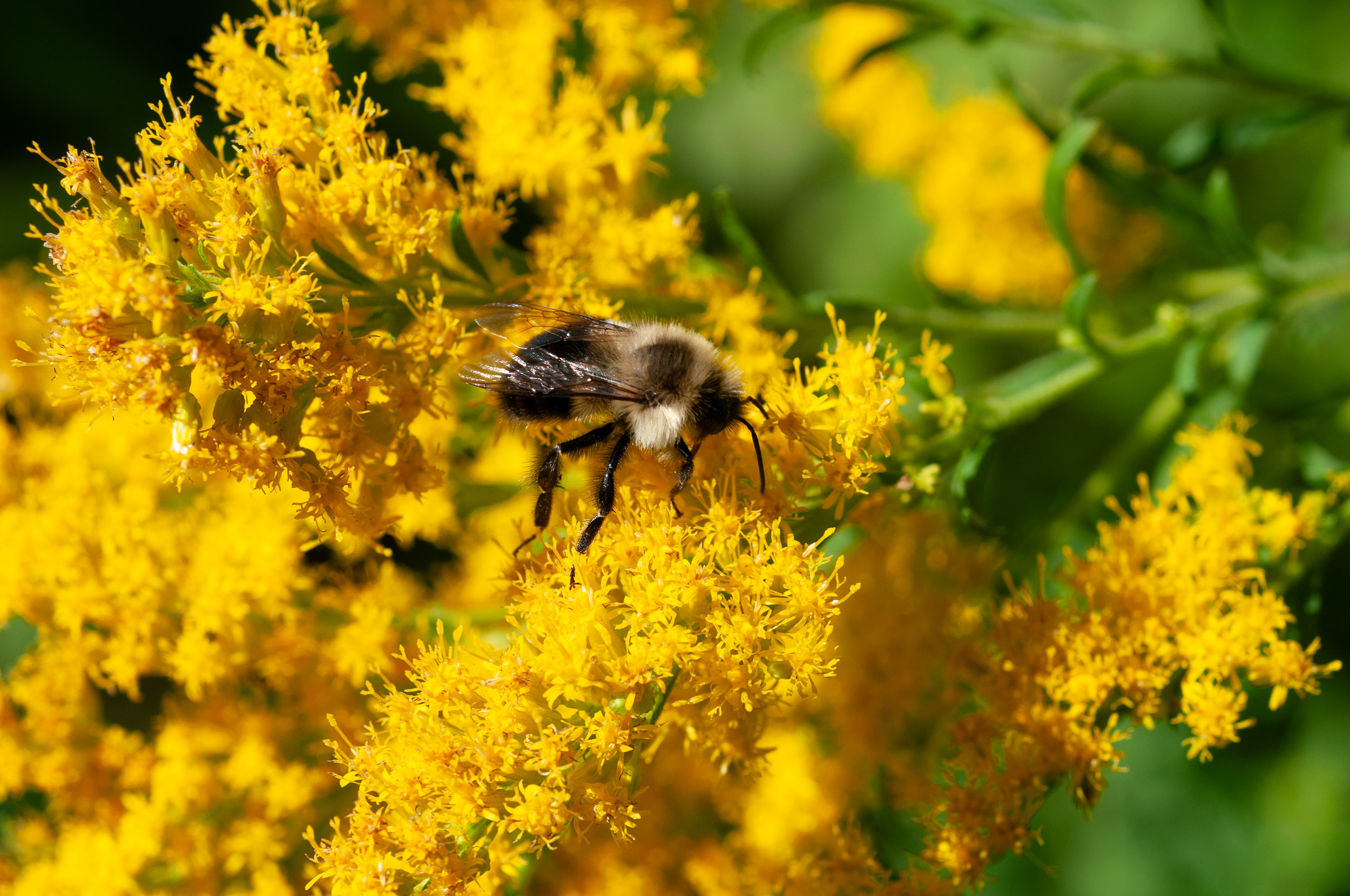
(Solidago) · 9/11/2010 · Nashua River Rail Trail, Groton Center, Groton, Massachusetts · ≈ 5 × 3½″ (13 × 9.2 cm) Species not yet identified 
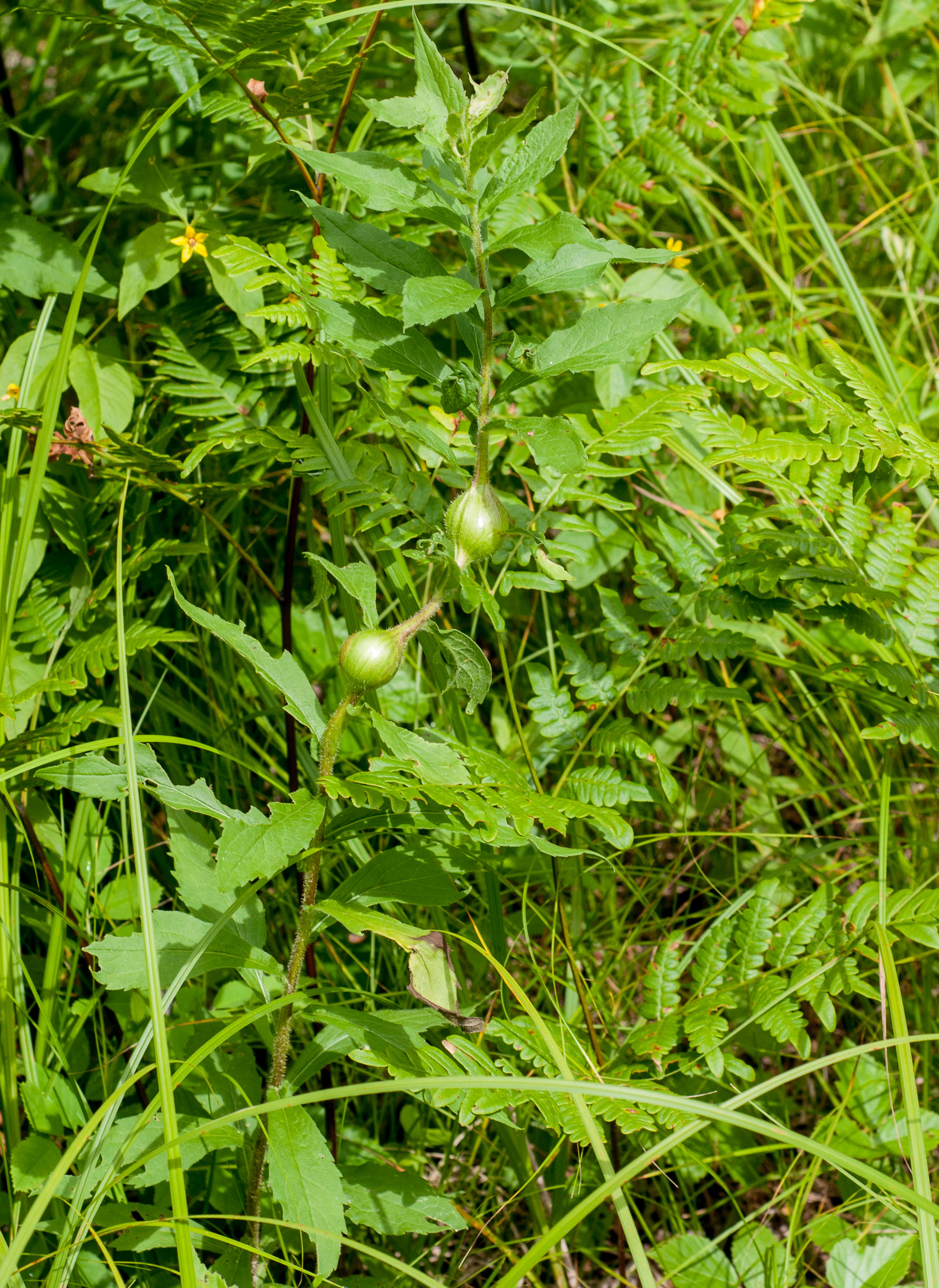
Goldenrod (Solidago) · The galls are created by a fruit fly, Eurosta solidaginis · 6/26/2012 · Nashua River Rail Trail, Dunstable, Dunstable, Massachusetts · ≈ 11 × 15″ (27 × 37 cm) Species not yet identified 
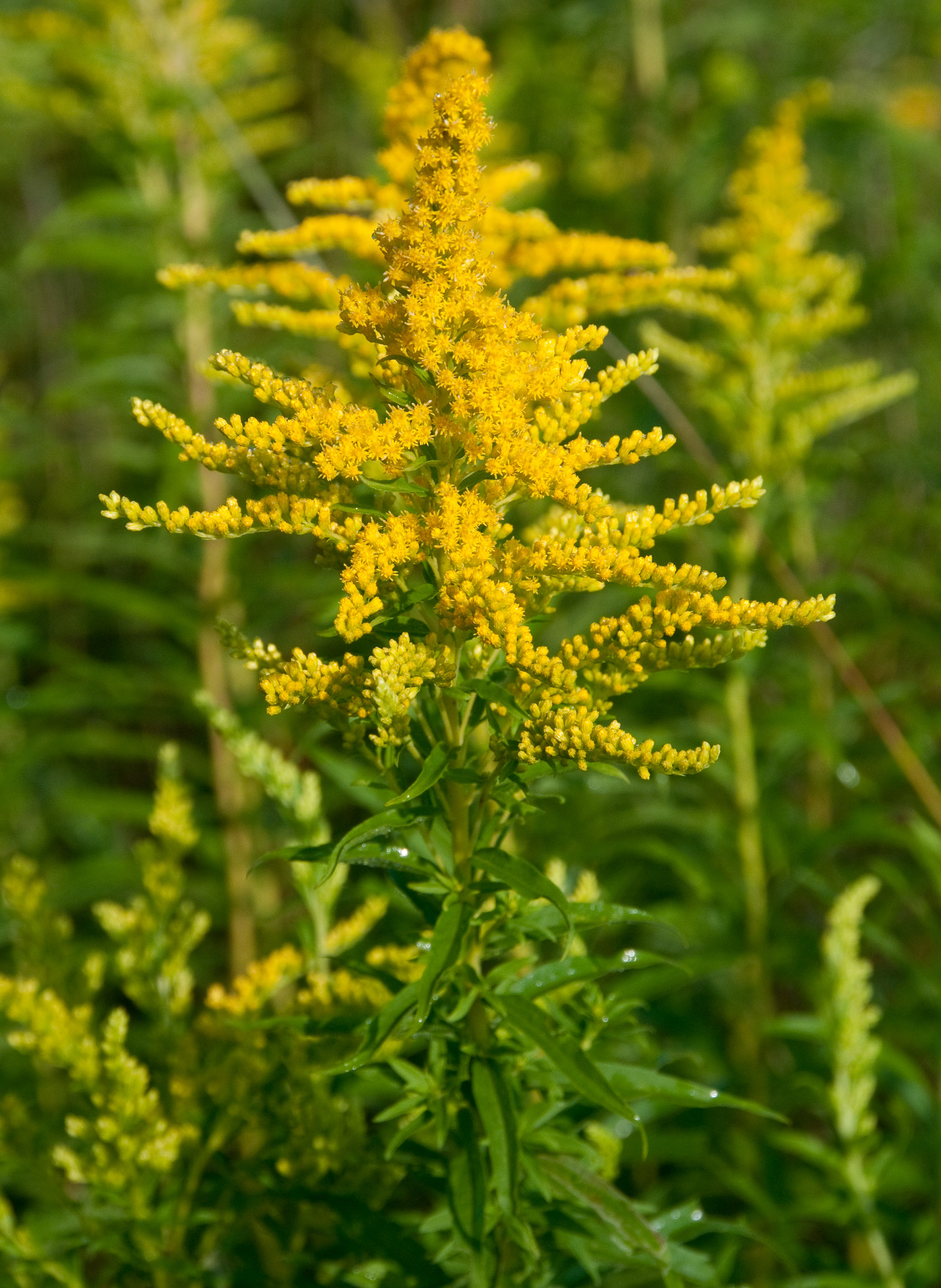
Goldenrod (Solidago) · 8/4/2009 · Near Nashoba Hospital, Ayer, Massachusetts · ≈ 4½ × 6″ (11 × 16 cm) Species not yet identified 
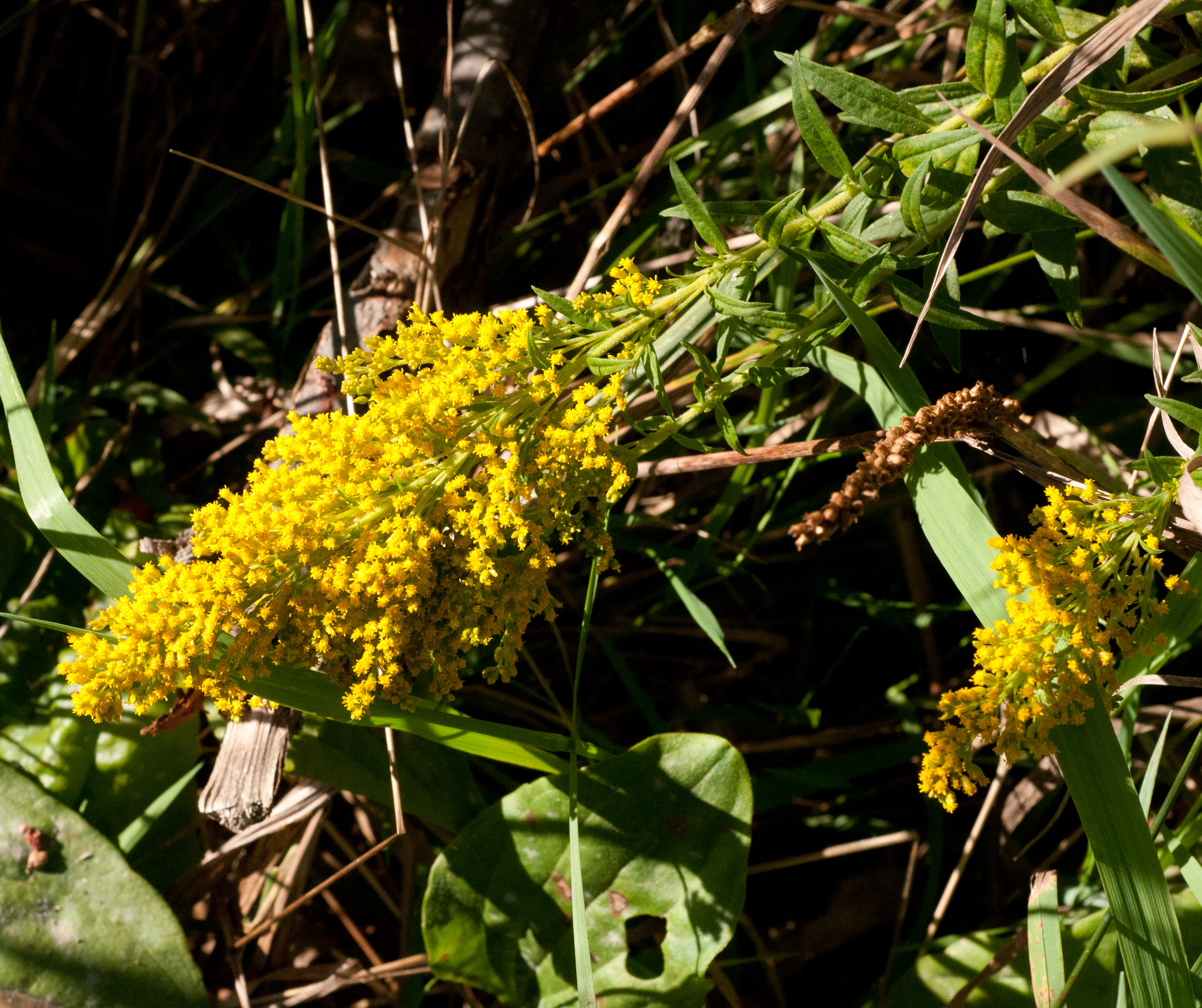
Goldenrod (Solidago) · 9/5/2010 · Nashua River Rail Trail, near Nashoba Hospital, Ayer, Massachusetts · ≈ 9 × 7″ (22 × 18 cm)  ID is dubious
| Kingdom | Plantae | Plants, but not fungi, lichens, or algae (from Stearn's Botanical Latin) |
| Subkingdom | Tracheobionta | Vascular plants—plants with a “circulatory system” for delivering water and nutrients |
| Division | Magnoliophyta | Flowering plants, also known as angiosperms |
| Class | Magnoliopsida | Dicotyledons—plants with two initial seed leaves |
| Subclass | Asteridae | A large class that encompasses asters |
| Order | Asterales | Flowering plants with a central disk flower and surrounding petals, like daisies |
| Family | Asteraceae | The aster family, which also includes daisies and sunflowers; from the Greek ἀστήρ, “star,” for the star-shaped flowers |
| Genus | Solidago | From Latin solido, “to make whole or heal,” because it was believed these species had healing properties |
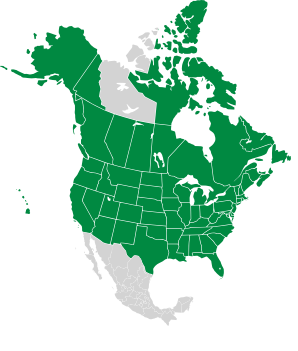
Solidago description by Thomas H. Kent, not updated.

© FloraFinder.org. All rights reserved.